Sehr schönes Video, das meiner Ansicht nach einen realistischen Eindruck über die Stadtlandschaft von Tokyo gibt. Danke an Tobias/Esbot fürs finden.
Sehr schönes Video, das meiner Ansicht nach einen realistischen Eindruck über die Stadtlandschaft von Tokyo gibt. Danke an Tobias/Esbot fürs finden.
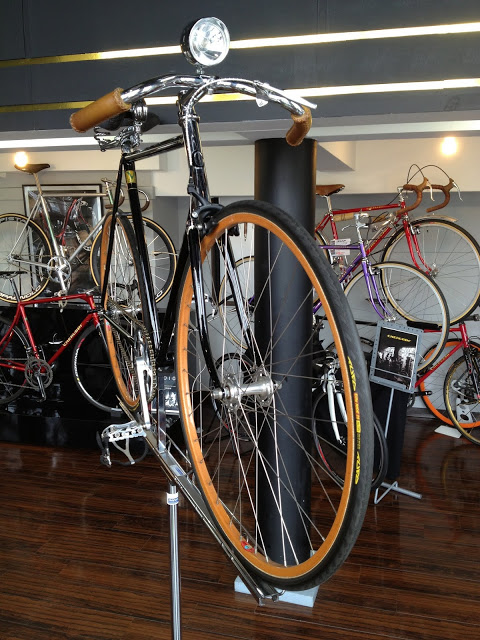
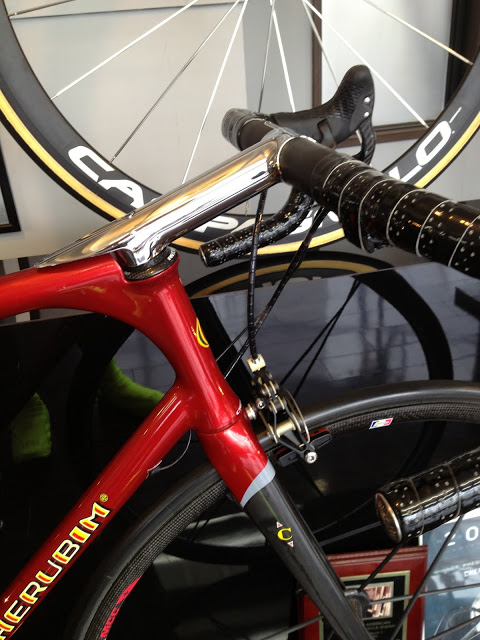
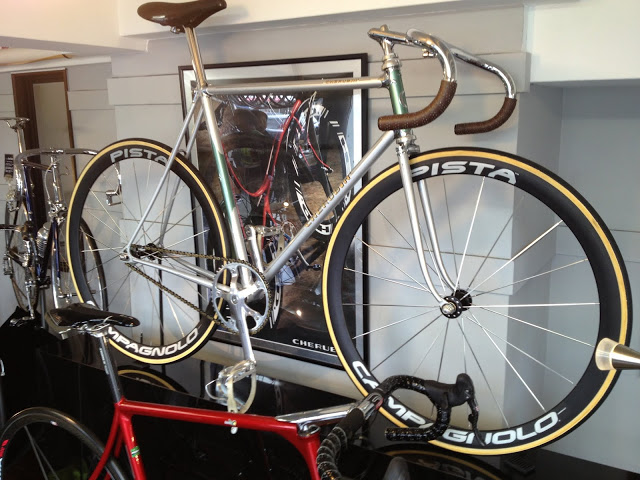
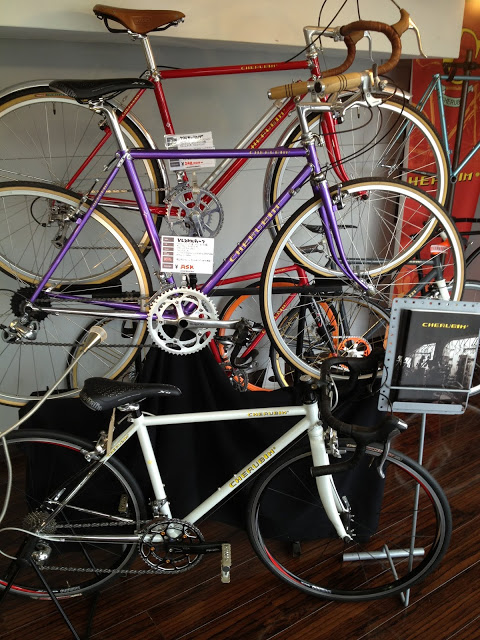
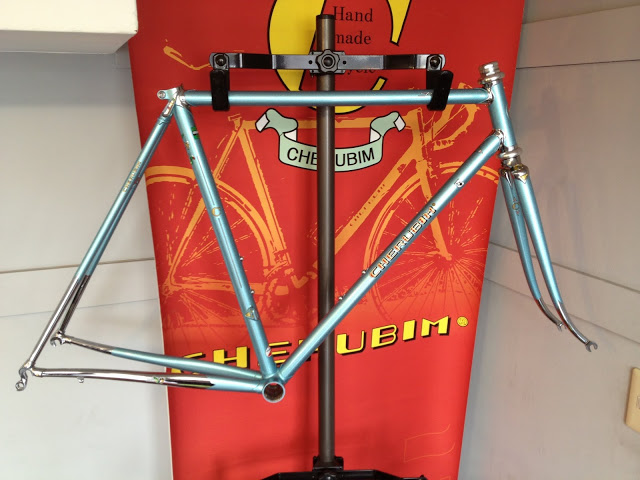
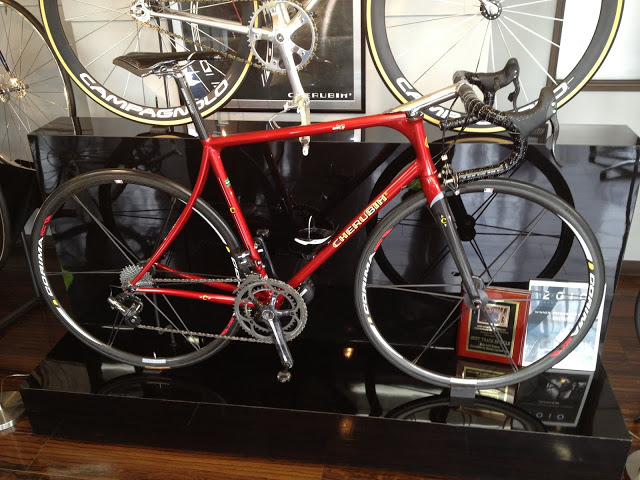
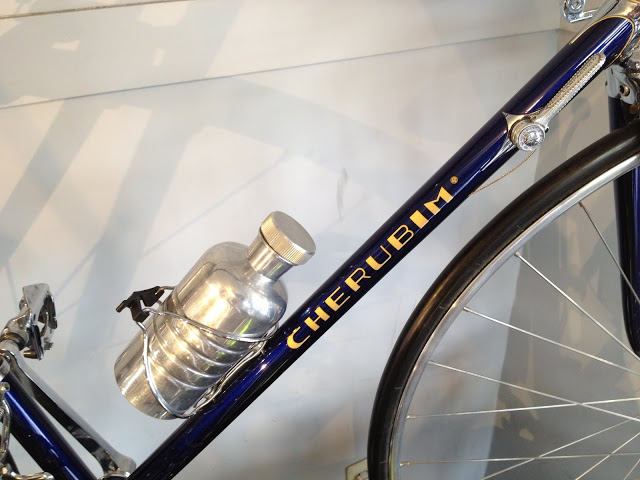
In den letzten Posts hatte ich ab und zu über den japanischen Rahmenbauer Cherubim und seine preisgekrönten Räder auf der NAHBS berichtet. Und wie ich mich darüber geärgert habe, dass ich mir keines der Räder zu der Zeit als ich in Japan gelebt und gearbeitet habe gekauft hatte.
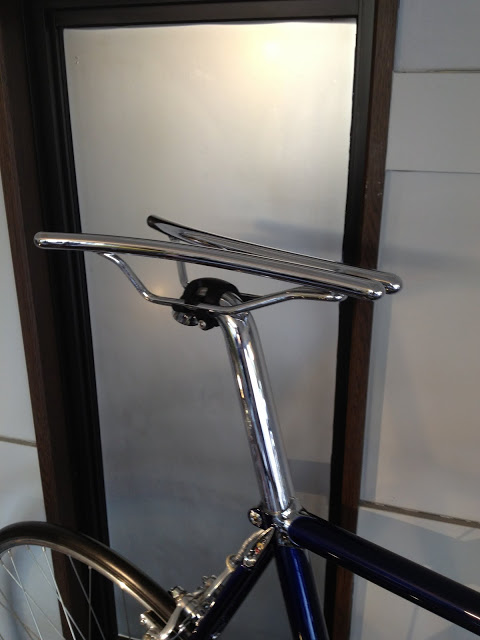
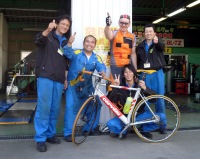
Zufällig haben David und Jerome vom Positivo Espresso Team, den Cherubim Laden in Machida besucht; hier ein paar Bilder.


Eingeordnet unter 2013, Gierige Räder, Japan, Mob
Es gab eine Zeit in meinem Leben, ca 1979 bis 1990, da hätte ich Lacoste nicht mit der Pinzette angefasst. das war das Zeug das Popper und Schnösel trugen und ich wollte damit nichts zu tun haben. Bis heute besitze weder ich noch irgendjemand in meiner Familie ein Stück Kleidung oder Schuhe dieser Marke.
Ich würde mir auch heute noch nichts von denen kaufen, dieses Werbevideo Lacoste x Tokyo finde ich allerdings sehr gut gemacht. Es enthält Aufnahmen von Plätzen die ich kenne, wie dem Komazawa Olympic Park, die nicht unbedingt bekannt sind, aber eine starke Ausstrahlung haben. Am Rande finde ich interesant, dass das Symbol Tokyos, wie man am Ende sehen kann, immer noch der (alte) Tokyo Tower und nicht der (neue) Skytree ist.
Ach so, Fixies kommen auch vor.
Eingeordnet unter 2013, Design&Fashion, Japan, Mob, Sex. Lies & Vids

Andy von Jonnobi Time. einer der stärksten Rennradfahrer, die ich je persönlich kennengelernt habe. Stark trotz einer wegen Haar auf den Beinen.
OK, dieser Beitrag ist etwas speziell – da leider überwiegend in Japanisch.
Martin Kuhn aus Deutschland hat sich in einen Flieger gesetzt und ist nach Japan geflogen um dort ein wenig Rad zu fahren. 50 Tage und 5.000 km später ging es weiter nach Amerika. Hier ist der Link zu einem Video, dass das japanische Fernsehprogramm „YOU ha nani shi ni nihon ni kita?“: also etwa: „Warum bist Du nach Japan gekommen und was willst Du hier machen?“
http://youtubeowaraitv.blog32.fc2.com/blog-entry-26545.html
Wahnsinnig lustig, also man muss natürlich japanisch können. Das fängt schon an damit, dass Martin Kuhn nicht genau weiß, wo er hin will. Er sagt „Aoyama“, ein Stadtteil von Tokyo, meint aber eigentlich „Aomori“. Eine Stadt etwa 700 km nördlich von Tokyo hart am Rande der Hauptinsel Honshu.
Dann kauft er sich ein 40 Jahre altes Rad für 40 Euro bei einem Radhändler. Das Rad wurde 40 Jahre lang nicht verkauft, ist sozusagen NOS, siehe hier:
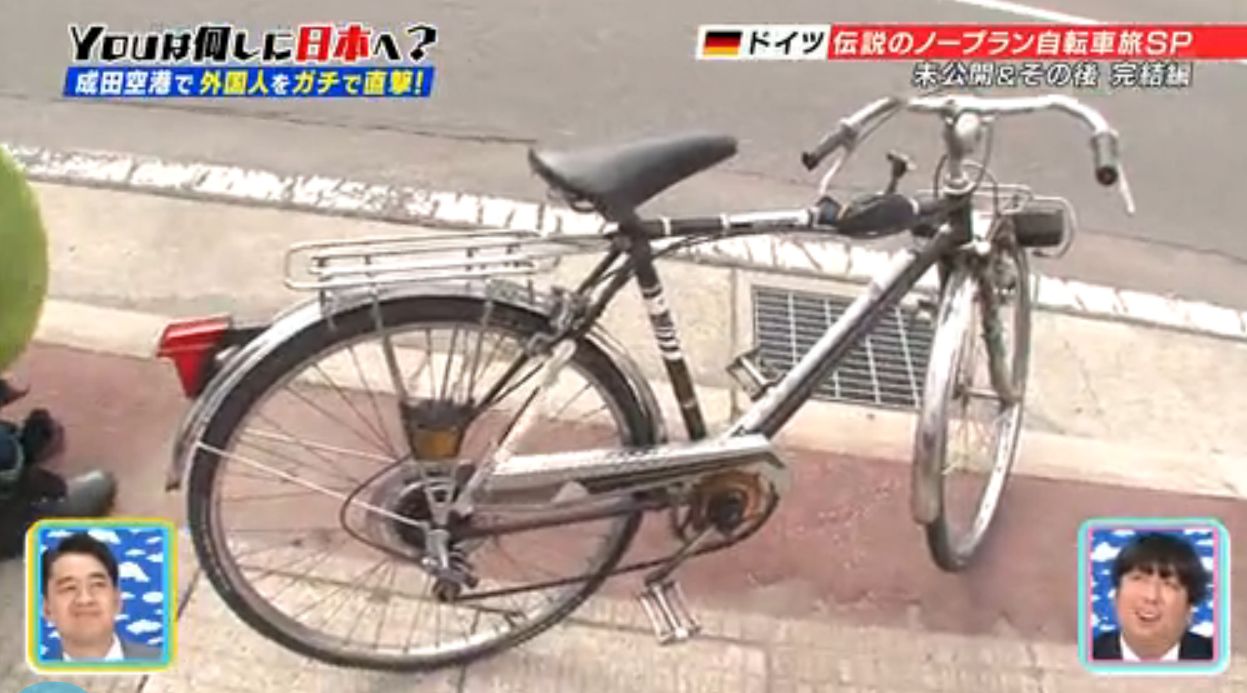
Oh Mann, mit ein wenig Wohlwollen kann man ja einige nette Details erkennen, aber dann mit dem Rad fast 5.000 km zu fahren ist schon eine Leistung.

Es kommt wie es kommen muss, am ersten Berg reichen die Gänge nicht.
Am Anfang dachte ich nur: Was für ein Idiot, aber am Ende war ich doch neidisch, dass Martin Kuhn da 6 Wochen durch Japan fährt und ’ne Menge naiven Spaß hat. Ich wünschte ich hätte keine Ahnung von Japan und könnte in diesem jungfräulichen Zustand Spass an dem Land haben.
Auswahl der japanischen Athleten für die Bahnradweltmeisterschaften 2013.
Ich meine, bei 0:11 sieht man auch recht deutlich Nakano Koichi.
Masayuki mit seinem Rad, welches erwartungsgemäß „Pink Dildo“ heisst.


via No Future Tokyo
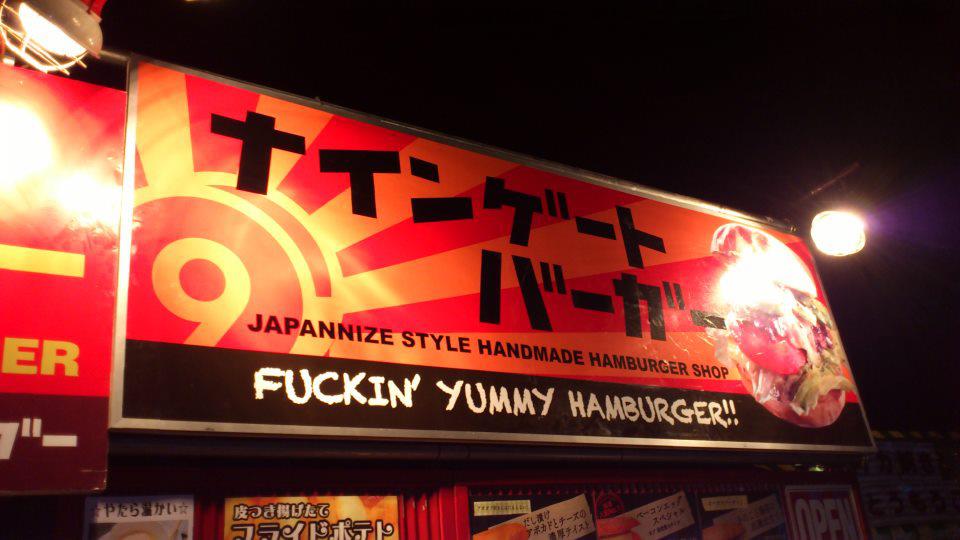
Großartig…irgendwo hatte ich doch noch ein Photo über die korrekte Anwendung des Englischen in der Werbung in Japan…Natürlich in Osaka, da wird das nie was mit Fremdsprachen.

Winter in Japan. Dieses Jahr ist es auch auf der pazifischen Seite besondere kalt. Man trägt Mundschutz um sich nicht an fiesen Viren anzustecken und fährt lustige Fahrräder bei denen selbst Viren sich totlachen:

Dieses hier heisst „Fun Bitch“:


Ja, Japan, da Land in dem Englisch „im Beisein von Japanern“ unterrichtet wird, was zur Folge hat, dass die Handhabung der englischen Sprache nicht immer ganz zielgerecht ist.
das meiste via No Future Tokyo
Eingeordnet unter 2013, Design&Fashion, Japan, Mob
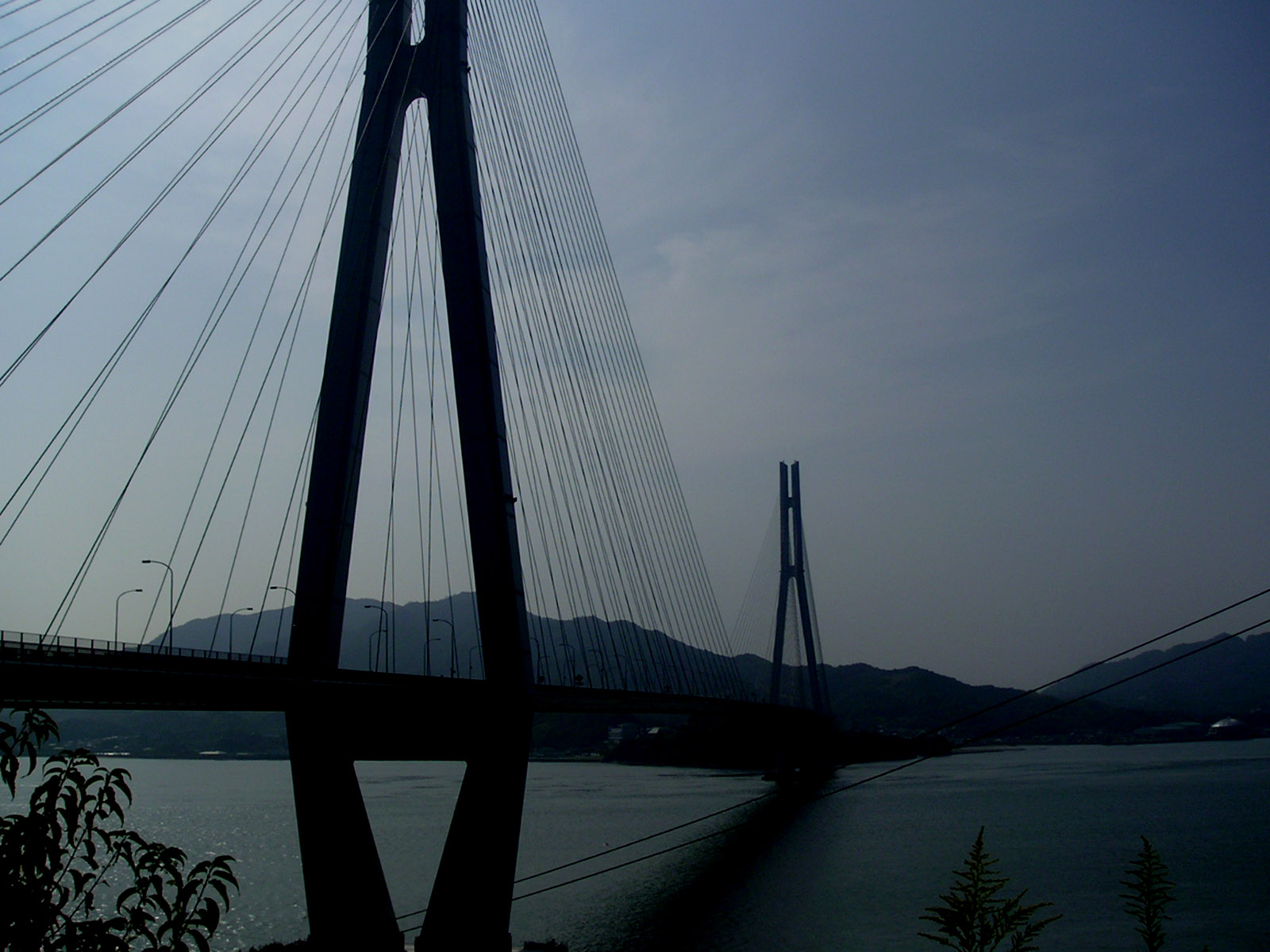
… ist eine Straße die die japanische Hauptinsel Honshu auf Höhe der Stadt Onomichi über eine Serie von Brücken und und Inseln bis auf die größere Insel Kyushu. Die Brücken sind spektakulär und so ist die Landschaft. Es gibt exzellente Radwege, gutes Essen, nette Menschen und jede Menge ländliches, traditionelles Japan. As ganze ist vielleicht 100 km lang.
David von Positivo Espresso ist am letzten Wochenende dort 400 km gefahren. Mitten im Januar. Hier sein Bericht vom Positivo Espresso Blog (auf Englisch)
The ride in Shikoku was uneventful. We passed some very nice seashore, and lots of industry. The roads were mixed but at least traffic was very light on the early Sunday of a 3-day weekend. The organizers required us to detour out to the tip of land just underneath the Seto Ohashi, the bridge from eastern Shikoku to Okayama. Since there was no official checkpoint, we needed to take photos of our bicycles with the bridge in the background as proof of passage. Mine looked like this.
 |
| 3 lights from Seto Ohashi in the upper left corner — proof of passage |
As we rode through Niihama, an industrial city, I remembered visiting a water park there with my family the one time I had been in north Shikoku previously, on the way from Matsuyama back to Tokyo, more than 10 years ago. The water slide was great. The men’s locker room had a very large, prominent sign warning that the establishment refused service to persons bearing tattoos.
 |
| A nice stretch on Shikoku north shore just after sunrise and before the clouds close in |
 |
| Imabari Castle moat |
It was a relatively fast trip to the second checkpoint, just before we started to cross the bridges — 157 km in just over 6 1/2 hours, including stops. At this rate … I will be done in no time at all. 27 hour time limit, but maybe I can do it in 17? or 18?
Then things slowed down. After the first long bridge, I stopped at a michi-no-eki restaurant and enjoyed some local seafood for lunch.
 |
| Looking back at the first bridge of many |
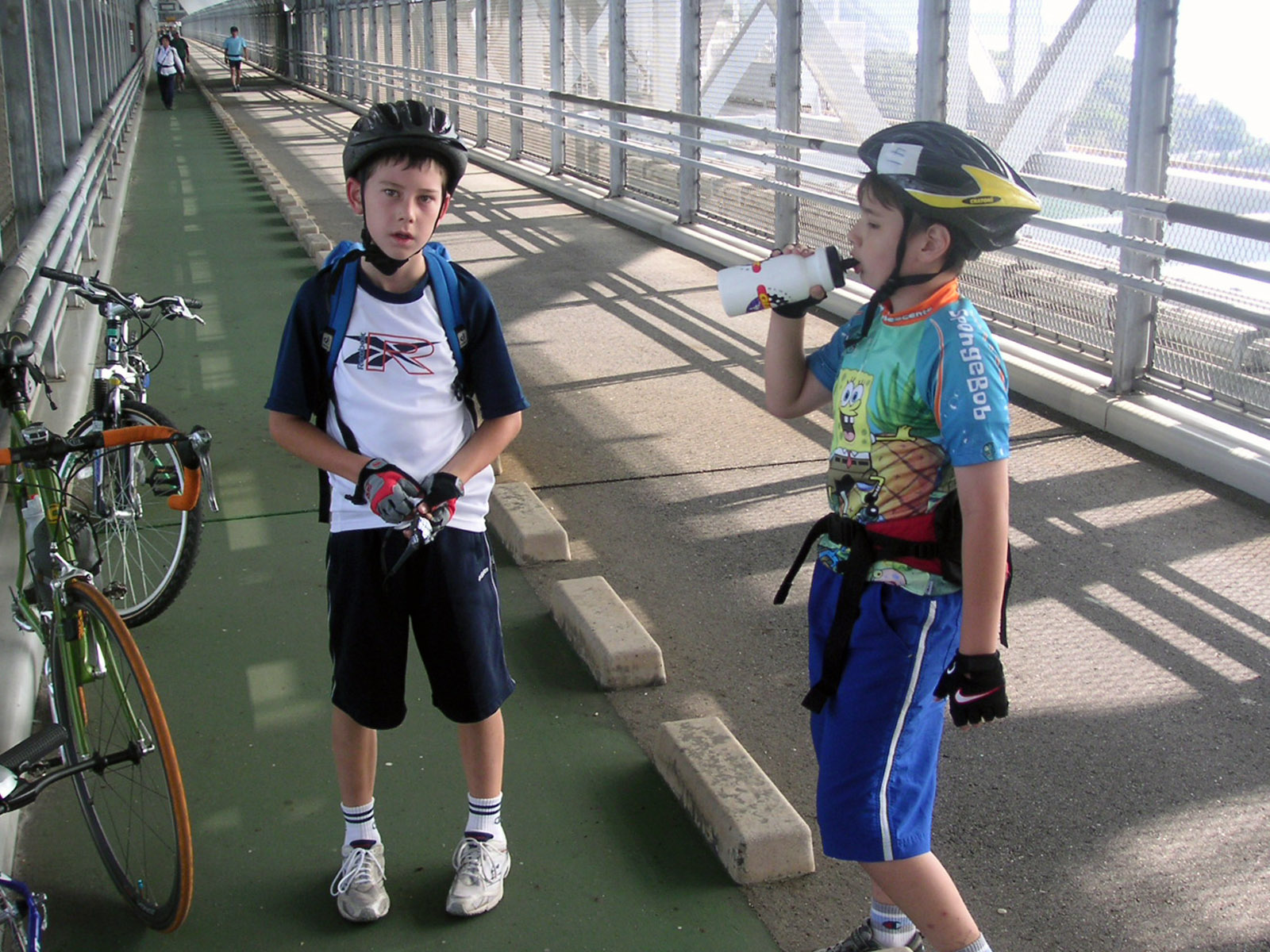
This must be the most expensive bike path in the world — with bicycle/pedestrian-only bridge entrances in places along the lines of the loop road you can see in the photo, carefully graded, drained, and built to the gold-plated standard of Japanese government contracts.
 |
| On the shimanami kaido |
But it is nice, and is wildly popular … in warmer weather. Even in January there were a few cyclists other than the brevet riders.
Anyway, I ran out of energy before the last bridge approach climb, stopped for an energy bar and managed to make it to Onomichi by around 4:30PM. 227 kms in and still on track for a decent time. But the Onomichi checkpoint was a Mister Donut in front of the main station. Onomichi looks like a nice tourist town and there were lots of people there on the holiday weekend. I waited more than 10 minutes just to buy a donut and get my receipt. Then after a rest with other riders I went another 20-30 minutes to the East and stopped for convenience store pasta. On the next stretch I fell in with a couple other riders and we worked together.
But around 730PM the rain started. At first it was light rain (mixed with sleet). Then it got heavier, but at least the sleet disappeared. Eventually I was wearing rain pants and jacket, with plastic bags over my socks, inside my shoes. The pace slowed. And slowed. The rest stops were cold. My feet and hands were cold … I had some navigation issues, managed to backtrack without losing much time, rested briefly at a 24 hour McDonalds to recharge my GPS unit, made it through some very dark, rural patches in the hills, and finally to the finish in Himeji. I wished at this point that I had been riding with Jerome — who would have insisted on stopping for a proper meal in the early evening.
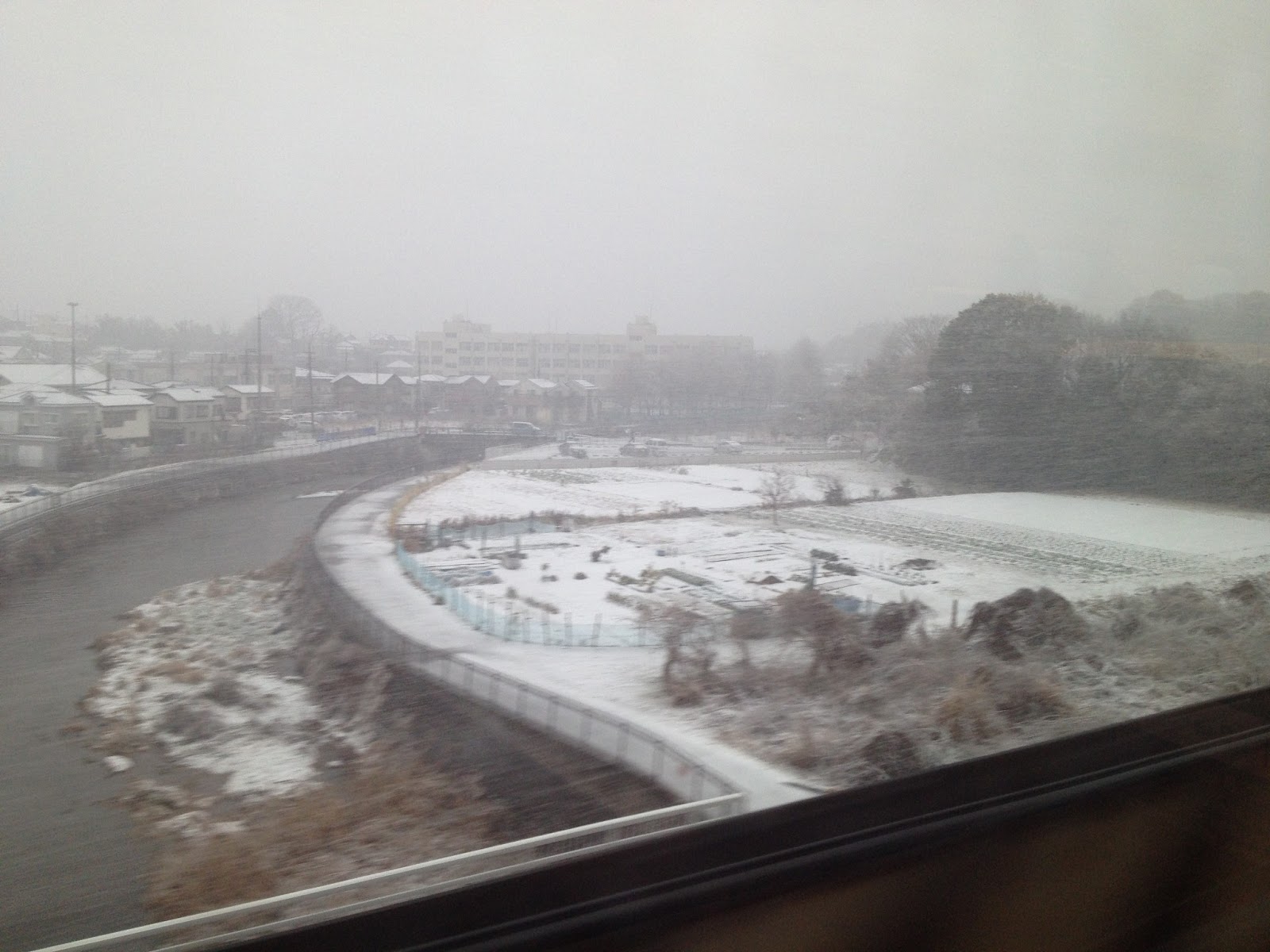
The last 125 kms was almost entirely riding alone in the cold rain. But a nice sense of accomplishment to make it through. In the end, it took me 22:40 or so to complete, and I was 16th fastest of 90 participants, approximately 60 of whom completed within the 27 hour time limit. And there was a good group at the family restaurant in Himeji where we all ate and rested a few hours … before heading for the morning train home. By the time the train entered Shizuoka, the scenery had changed to white.



11-23

Rot Weiß Silber Schwarz
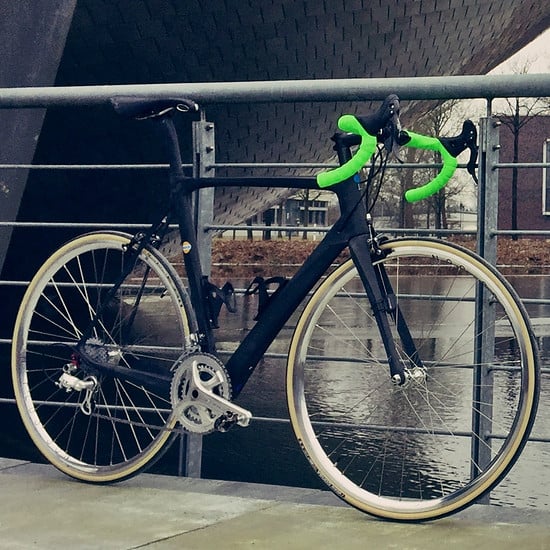
what ?

[not for real]

Geldgrab mit 61 Zähnen.

Fuchsien Schönheit

Japan Braut
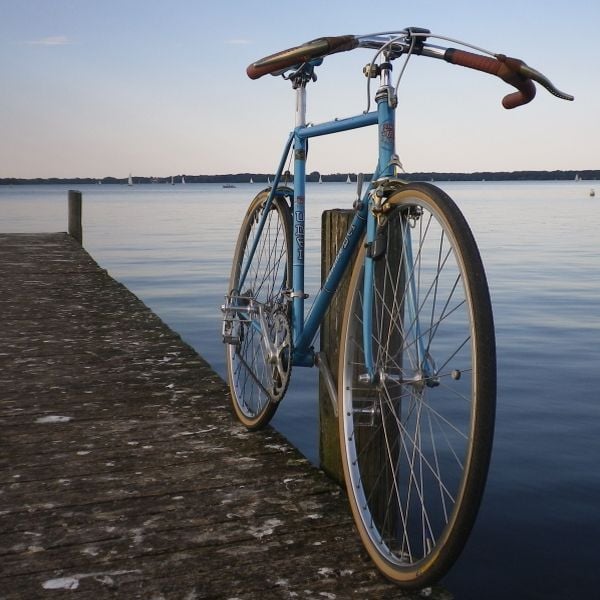
Blau Gold Weiss
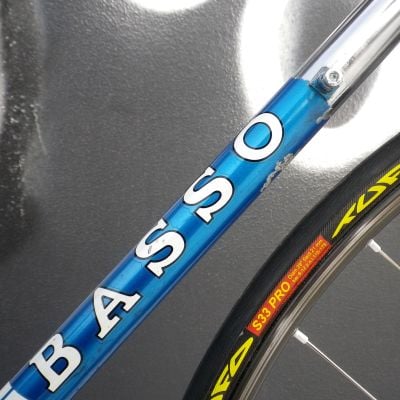
Track Version
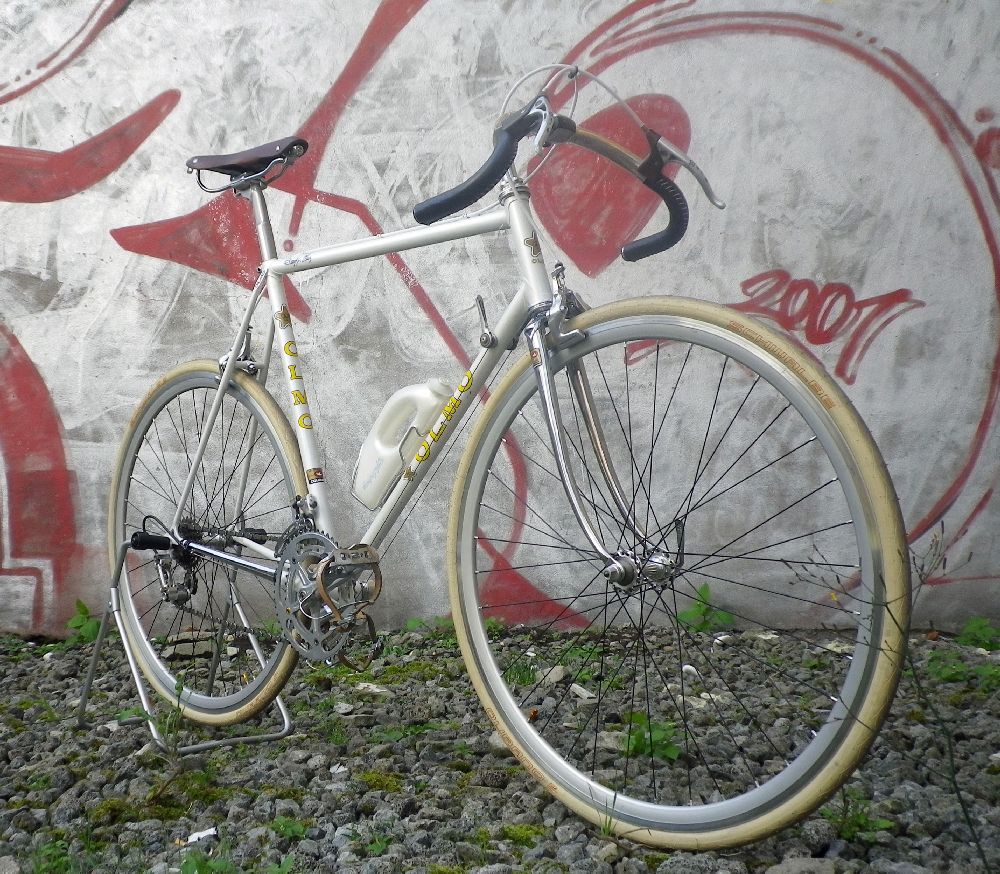
Zu schön zum fahren

7 kg Plastik und Blech

Motobecane, Raleigh oder Peugeot?
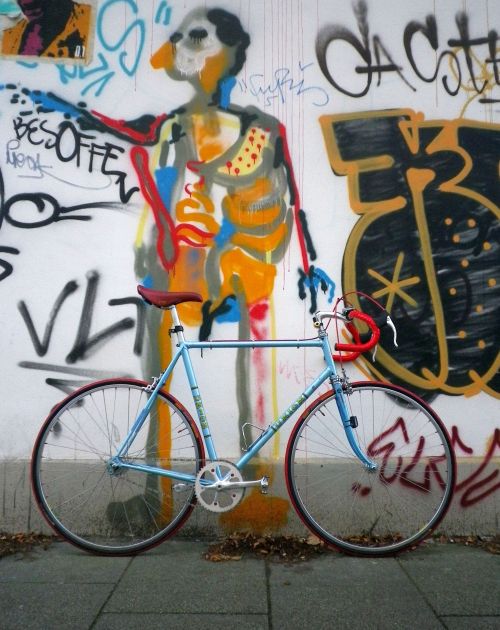
Beginn der der Fixie Liebe

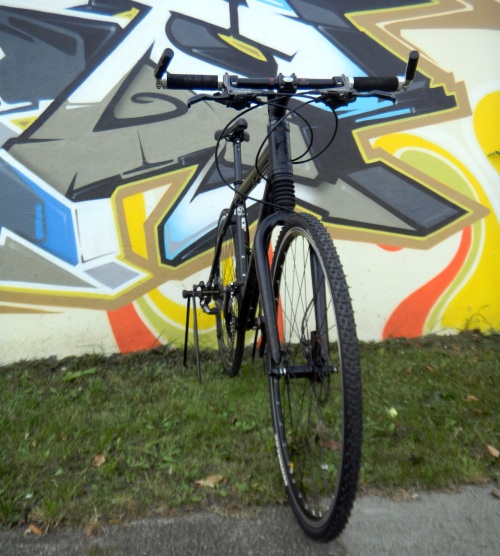
... what you gonna do ...
Nun komplett in blau

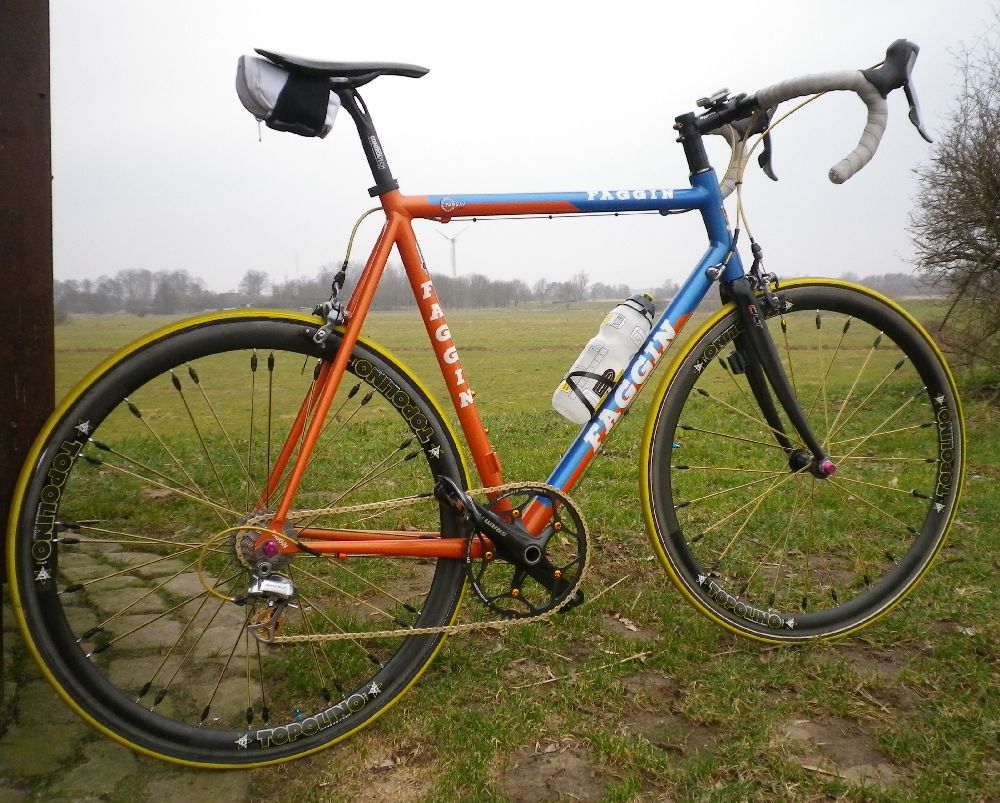

Leider nicht in Gunmetal Grey
Da einzige RH 60+ Rad in Tokyo


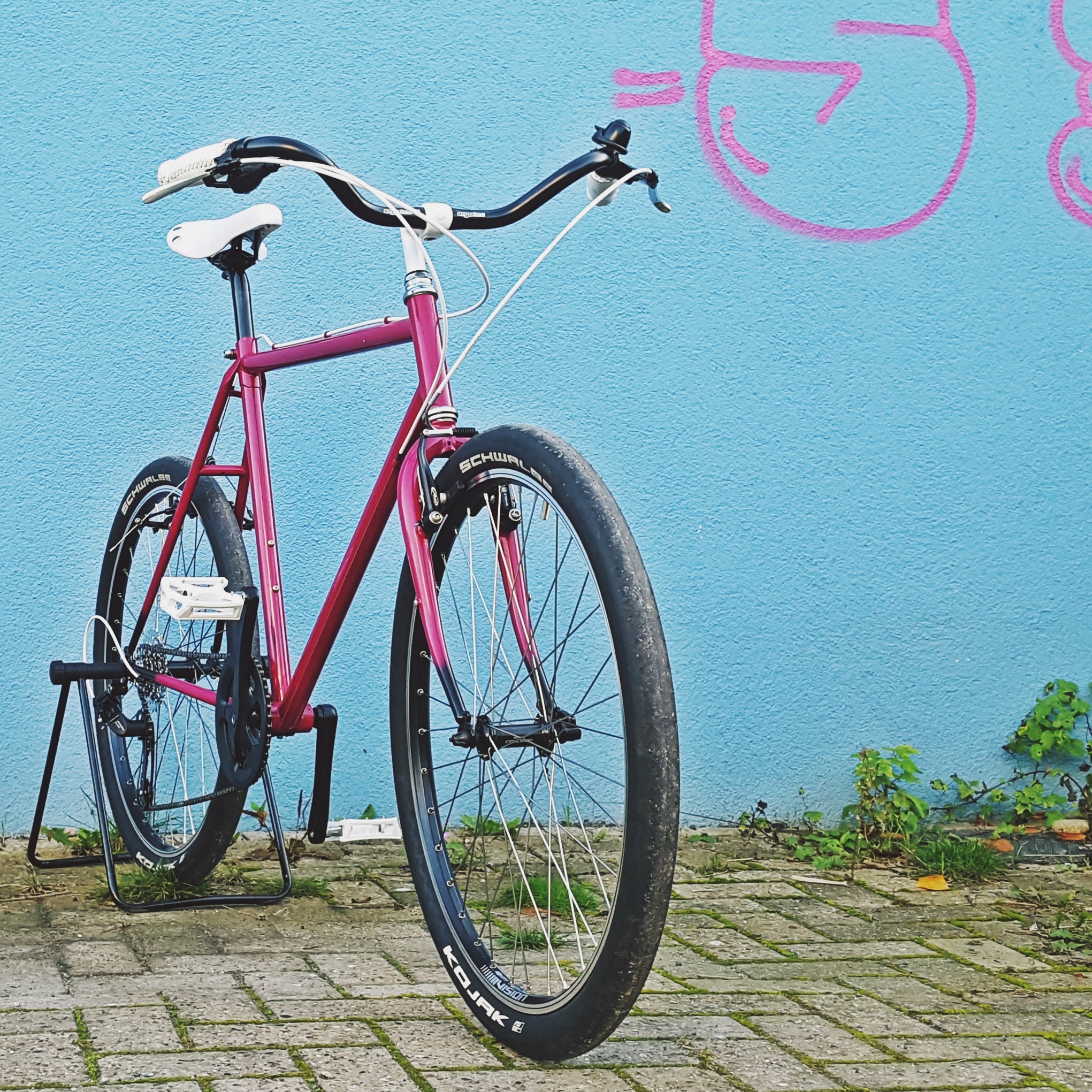
Keep on cruising in the free world
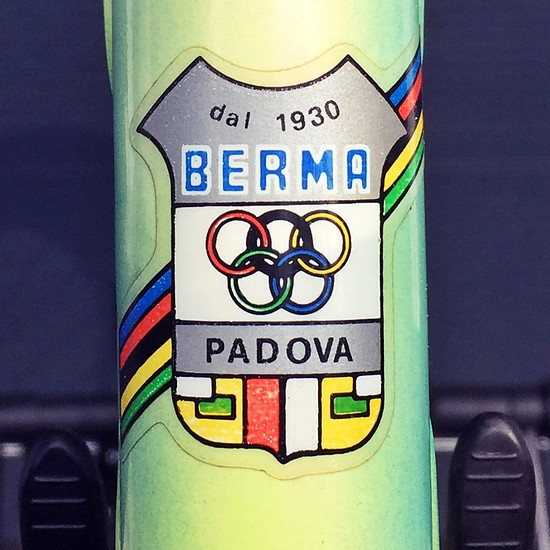
Der Todesstern
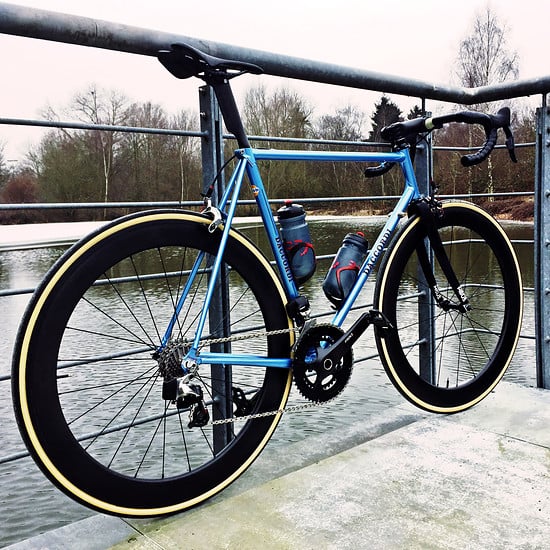
Daccordi Universum

Design follows function
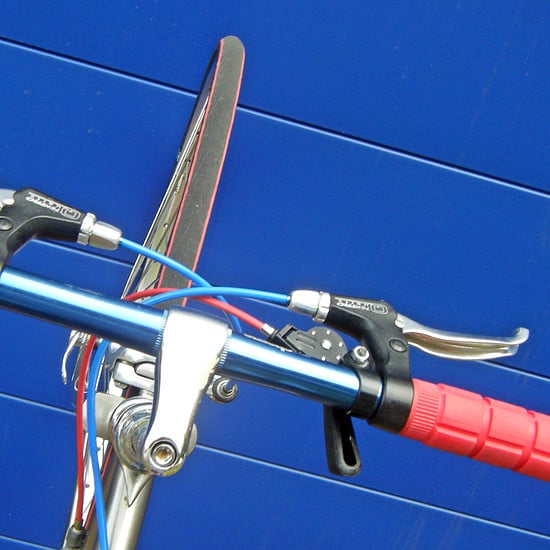
Blau Rot Silber

Arktis Blau
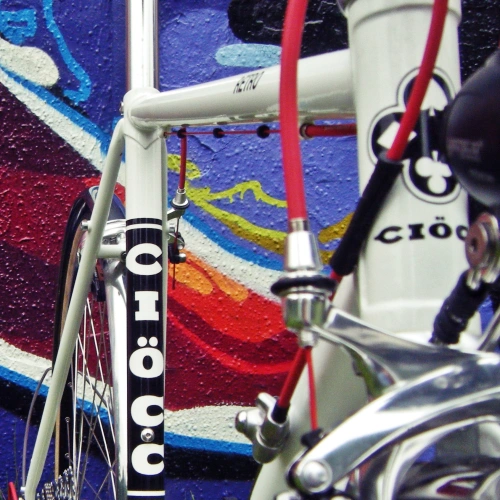
CIÖCC. Hannes.
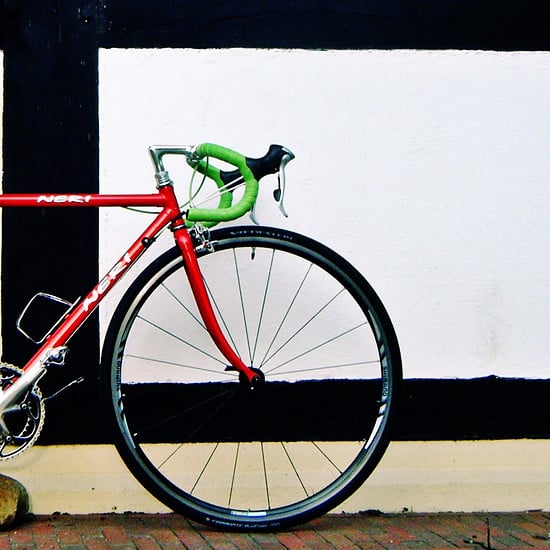
Drei Farben. Schwarz.

Beim Shopping.
Schwarz Rot Weiß
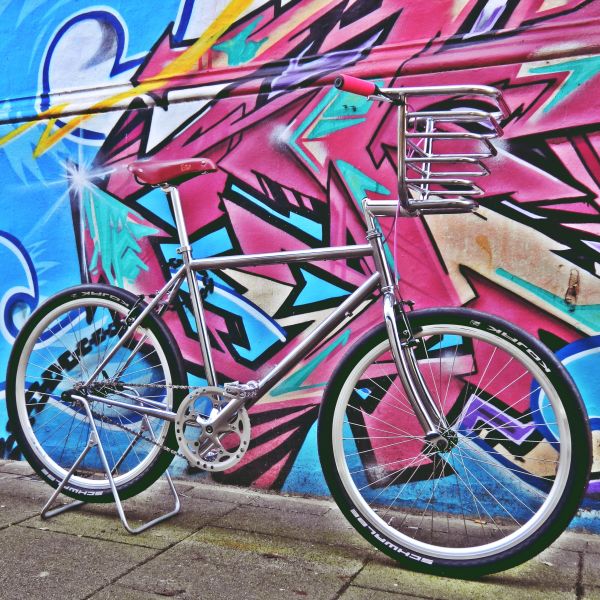
Shopping Blockade Runner
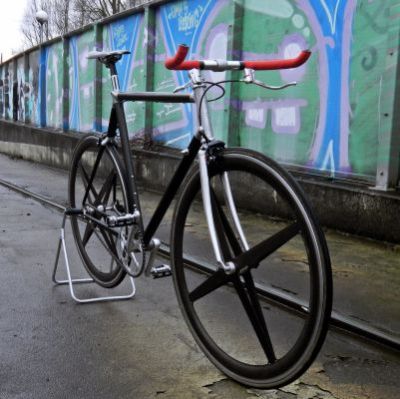
Entlackt
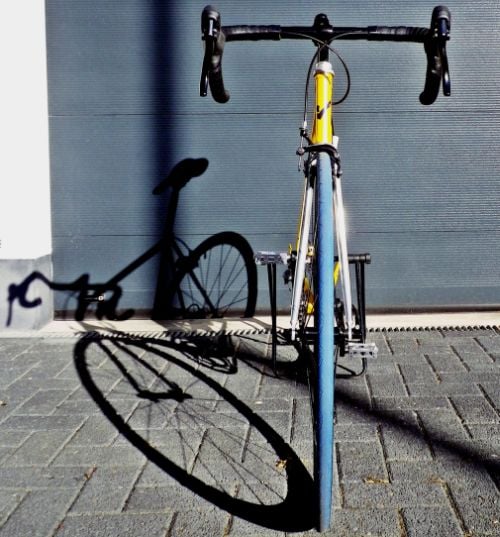
Viner Black Viper
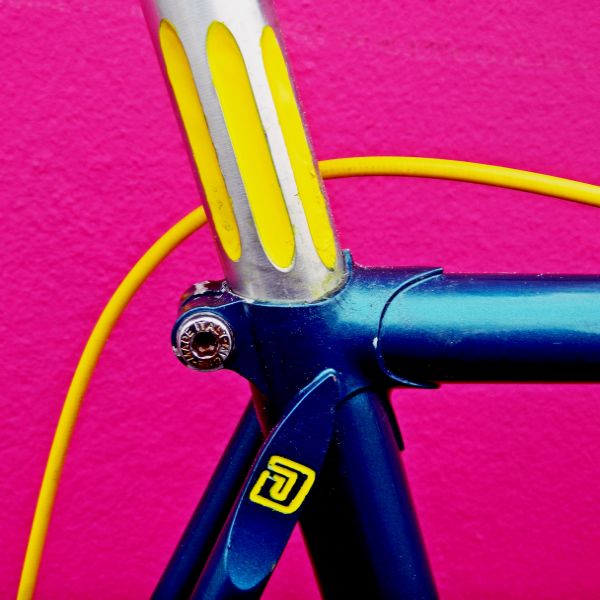
Gross und Gelb
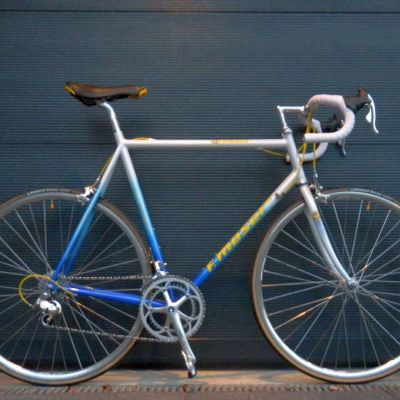
Oops.
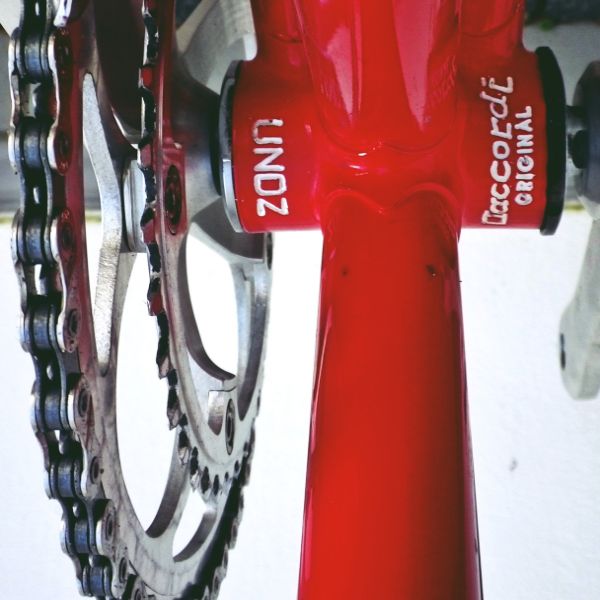
Zwischen Florenz und ....

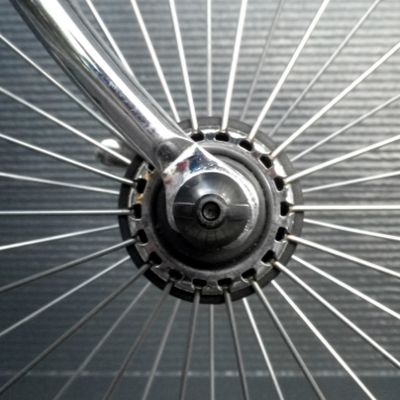
Dancelli O-nabe

Prinzessinnentraum
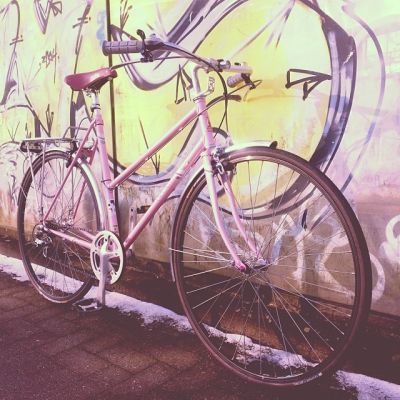
Aus einer anderen Galaxie

Fixie Projekt
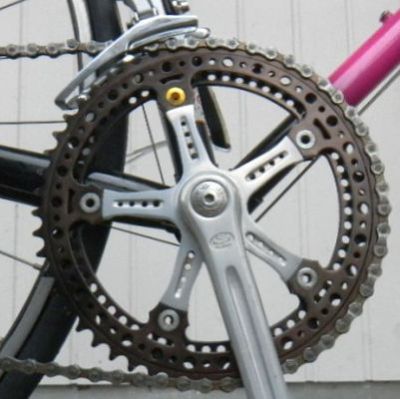
Concorde Twin

Lange Geschichte
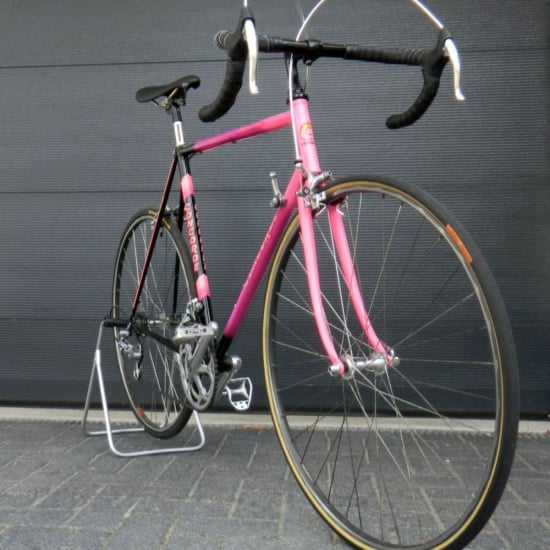
Classic Cyclone
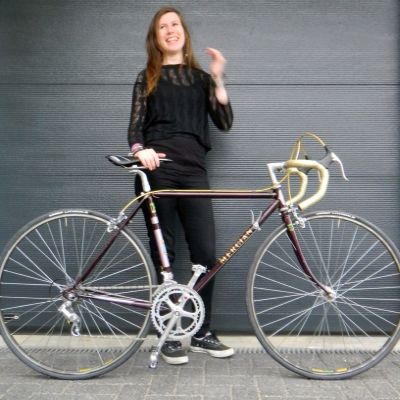
Für Manu
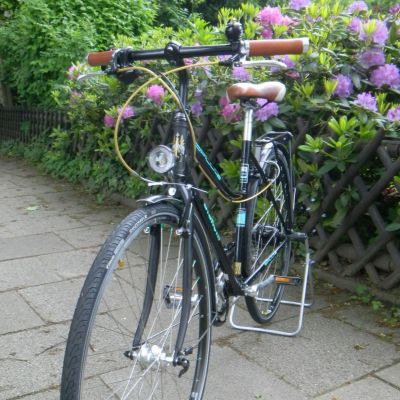
Für Midori
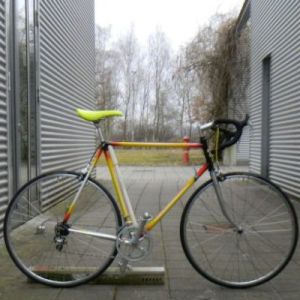
Deutschland !
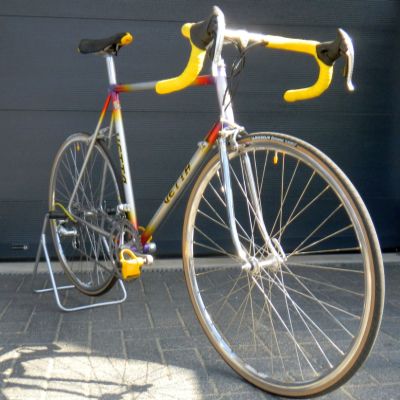
Grelle 80er Farben
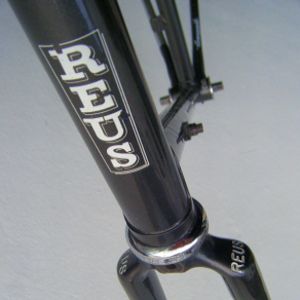
Reus
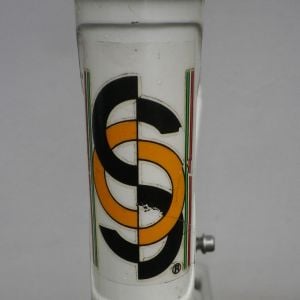
Gold wert ?
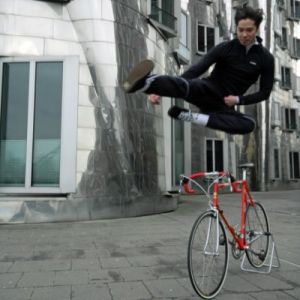
Für Shozo
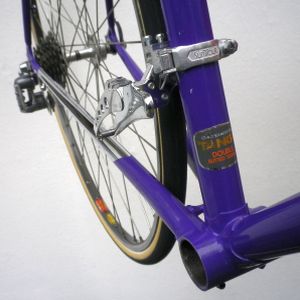
Neunziger eben
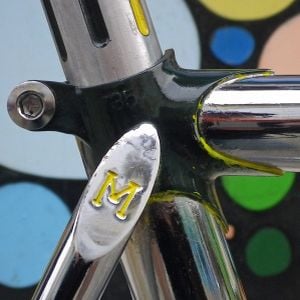
British Racing

Wait and See
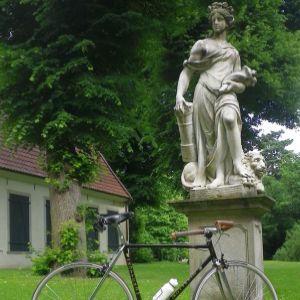
Kotter für Heike
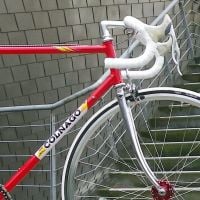
Colnago Super XL 1988






 bikesnob28hb
 fixiefanboyhb
 sudi1662
 there is no "I" in cyclyng