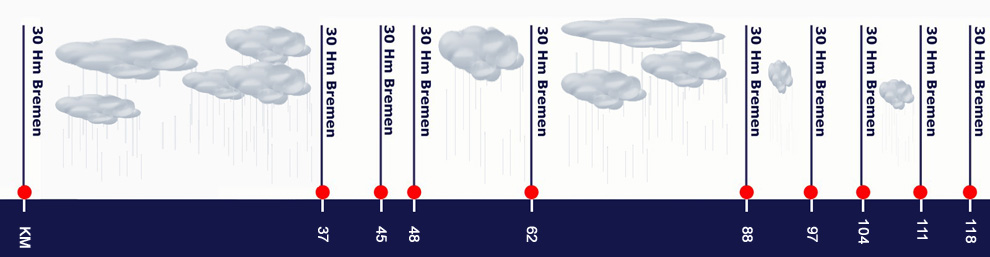

Räder zentrieren und rauchen. Radeln wohl eher weniger.

via Bike Radar
We’ve said before that cables and housing are the lifelines of your bike. A good set can almost telepathically translate inputs at the shifter and brake levers to their respective derailleurs and callipers while a bad set can muddy the signal like a bad game of Chinese Whispers. No other complete kit has impressed us with its signal clarity as much as the Yokozuna Reaction has.
Gore Ride-On announced last year that it would be discontinuing production of its much-loved derailleur cable and housing sets, so we’ve been scrambling to find a suitable replacement ever since. Though the Reaction setup isn’t fully sealed like Gore Ride-On, its fully lubricated casing somehow still matches the latter’s incredibly low-friction characteristics for noticeably improved shift performance with any component group we’ve used it on. Shifts – spring-driven upshifts, in particular – are markedly faster with a more direct lever feel coming as an added bonus, even when compared to Shimano’s venerable SP41 casing or stock Campagnolo stuff (SRAM is thankfully still able to source non-sealed Gore low-friction stuff). While the lack of proper end-to-end sealing is a disappointment for cyclocross, winter training or heavy-duty commuting applications, it’s worth noting nonetheless that we’ve been running one of our Reaction setups continuously for two years (albeit mostly in good conditions) and it still feels like new.
As good as the derailleur cable and housing is, it’s the similarly slippery brake setup that is truly astounding. Unlike conventional brake housing (whose spiral-like construction is designed primarily for flexibility) or derailleur housing (whose lengthwise strands are designed primarily to fight compression), Yokozuna’s is a unique hybrid of both. Save for segmented solid aluminium housing such as Nokon’s, Reaction is the only truly compressionless option we’ve come across and it’s impossible to fathom how detrimental housing compression actually is until you’ve gotten rid of it.

Lever feedback is boosted to truly incredible levels with the rear feeling better than the front once did, and the front now feeling as if it’s directly bolted to the calliper. Though power is improved, that direct feel has an even bigger impact on modulation and predictability. Those benefits only increase with the amount of housing used too, and we consider the Reaction housing practically a mandatory requirement for anyone using cable-actuated disc brakes.
Unfortunately, Yokozuna does charge a pretty penny for a complete Reaction brake and derailleur setup. That said, we can’t think of any other bits that provide as much of a real-world boost in function for such little money so in that sense, they’re absolutely worth it.

Eingeordnet unter 2013, Bits&Pieces, Mob

Warum hat der Schleck eine andere Hose an als seine Teamkollegen?

Psychedelic Trip

Neulinge im Team
 Vorlesung. Wohl im Prinzip wie bei uns. In de rletzten REihe wird gepennt, in der ersten sitzen die Streber oder die Hasen.
Randnotiz: Ende 2008 sprach mich ein Headhunter in Tokyo an, ob ich Interesse hätte mich für die Position des Geschäftsführers (President) von TREK Japan zu bewerben. Ich wäre ihre Wunschkandidat. Rein zufällig hatte ich ein paar Tage vorher eine TREK Präsentation des amtierenden Geschäftsführers gesehen, ein Triahlet-mäßiger Australier, der mich von Aussehn und Art sehr an Lance Armstrong erinnerte. Ich war nicht gerade ein ausgeprochender Fan von Trek Rädern, ich selber fuhr damals ein Cannondale und ein Cervelo und die Aussicht irgendwann einmal Lance Armstrong durch Japan führen zu dürfen fand ich auch nicht so prickelnd. Aber davon abgesehen war das wirklich mein Traumjob. Ach ja, und der war in Kobe und nicht in Tokyo, aber bitte. Keine Aufzüge, Ventile oder Möbelbeschläge verkaufen, sondern richtig interessante Produkte fand ich schon ziemlich gut. Als ich das meiner Freundin Juliane berichtete, die damals den Vertrieb von Lightweight in Japan machte, erzählte sie mir, dass sie ebenfalls angesprochen worden war und dass Sie die „Wunschkandidatin“ des Headhunters wäre. Da die Firma ja nun kein Pärchen wollte, kann man daraus nur schliessen: „Vertraue Deinem Headhunter nicht so sehr.“ Das Interview mit dem Chef von TREK lief dann auch nicht besonders gut. Später habe ich erfahren, dass es ohnehin schon einen Kandidaten intern bei TREK gab und dass der Headhunter eigentlich keinen Auftrag hatte und nur sondieren sollte ob externe Kandidaten evtl. mehr bringen könnten als der interne Kandidat. Die Entscheidung war also im Grunde bereits gefallen. Aber so etwas erzählen Headhunter natürlich nie, denn die müssen die BEwerber ja motivieren sich nzustrengen. Seitdem habe ich ein etwas gespanntes Verhältnis zu der Marke TREK.
The Team-Lampre service corse in Usmate Velate (Milano) has been broken into and robbed of all bicycles, accessories and and material between the night of Saturday 23 November and Monday 25 November.
The thieves forced themselves through a window of the blue-fuchsia-green team warehouse, and broke in by destroying the alarm system, telephone system and internet connection, then continued on to clear the warehouse and team vehicles of all valued materials, aiming mostly at the bicycles and accessories, all the material is personalized for the team and identifiable by code:
In the first hours of Monday morning the Monza and Arcore police were present to do all the necessary steps that need to be done in these circumstances and are working on a hopeful recovery of material.
This is a huge loss for team Lampre-Merida, as the bicycles were all ready for distribution to the various riders in there first training camp of December, thus creating logistics problems for future consignment of the bicycles for the 2014 season.
All the material is easily identified as it is all personalized for team use and thus the team is hopeful of recovering as much material as possible.
Team LAMPRE-MERIDA welcomes any possible information with regards to the theft and a reward will be offered in return, please contact via e-mail or phone by contacting team@teamlampremerida.com or the teams mechanics at +39 335-6217725.
The photo contains the following bicycles Merida TT Warp, Merida Reacto Evo, Merida Scultura and Merida Ride.


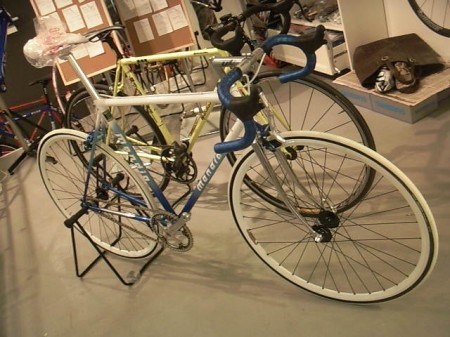
„Non Mercie“ ist nicht französisch für „Nein Danke“, sondern französirisiertes Englisch für „No Mercy“ oder endlich auf Deutsch: „Keine Gnade“. Dieses Rad ist in gewisser Weise eben gnadenlos.
Den Romani Rahmen hatte ich mir Anfang Oktober bei Ebay günstig gekauft. Das ist wohl dem Umstand geschuldet, dass Romani als Marke nicht den Bekanntheitsgrad wie andere italienische Traditionshersteller hat. Über den Rahmen habe ich mich schon an anderer Stelle auf diesem Blog ausführlichst ausgelassen. Da er ganz ohne Aufkleber ist, sollte auch der Aufbau schlicht und simpel sein, in zweierlei Hinsicht: Erstens wollte ich nicht schon wieder ein halbes Vermögen ausgeben, dass eins.erstens nur in der Garage steht bis ich es eins.zweitens dann mißmutig verkaufe und zweitens kommt für so etwas sowieso nur ein Singlespeed Aufbau in Frage, alles andere verschandelt leider die simple Optik, auch wenn es denn noch so funktionell sein soll. Und drittens gab mir das auch die Gelegenheit, frei von jeglichem Gruppenzwang und Epochendenken einfach alles aus den Kisten im Keller dranzubauen, das mich schon lange anschreit: „Benutze mich, Baby!“ Ich hatte ja auf dem Blog gefragt, ob jemand an dem Rahmen interssiert ist, aber Pustekuchen. Damit hatte ich vor der WEböffentlichkeit die Rechtfertigung ihn nach Herzenslust zu bearbeiten.
Also kam zunächst einmal der neu aufgebaute Ambrosio Nemesis Schlauchreifensatz dran. Das ist finanzieller Overkill, denn der Satz ist fast so teuer wie alles zusammen was sonst das Rad ausmacht. Aber notfalls kann ich den ja auch weiter verwenden (es stehen ja noch zwei andere Fixies in der Garage, das Union und das Basso) und dafür einen Satz passender EINZIG Laufräder dranbauen. Ja ich weiß, das darf man nicht tun. Aber das ist nun einmal ein Rad um die Regeln zu brechen.
Dann machte ich mich daran, die Muffen und Pantos neu auszumalen, das meiste in rot ein wenig in blau. Andere Farben als solche die ohnehin schon am Rahmen sind dürfen hier auf keinen Fall hinzugefügt werden. DAs ist ja ein Rad und kein Regenbogen! Ausnahme: ein grüner Flaschenöffner am Sattel, denn das entspricht Becks, das entspricht Werder und das erste trinkt man in Bremen weil die zweiten mal wieder so ganz gruselig spielen.
Aus den Kellerkisten kam dann ein sehe schöner und schlanker 3ttt Umbau mit dem passenden 3tt Lenker darn. Dieses ist mit 38cm recht schmal, damit man sich gut in der Stadt an stehenden Autos vorbeimogeln kann. Ich wollte auf keinen Fall normale Rennradbremshebel mit Bremsen vorne und hinten montieren. Andererseits wollte ich auch nicht wie eine Rakete ohne Bremsfallschirm durch die Strassen fahren. Die Lösung bestand darin, einen Crosser Bremshebel (Tektro RL720) oben am Lenker zu positionieren der die Hinterradbremse bedient. Damit bleibt vorne alles frei und aufgeräumt, ds die Bremshülle fast komplett durch das Oberrohr läuft. Der Lenker ist damit voll präsent und die Bremsaufnahmelöcher an der Gabel habe ich versiegelt und ebenfalls rot lackiert. So kommt die Optik relativ nahe an die eines Bahnrades. Eine alte Shimano 620x Bremse ist schön klein und fällt nicht weiter auf. Die Bremskraft ist gearde mal ausreichend, aber eine moderne Dual Pivot, wie z.B. eine Campagnolo Veloce wirkt da einfach zu klobig. Warum hat das eigentlich noch nie jemand vorher gemacht – die meisten Fixies haben ja die Bremse, wenn sie eine haben, vorne.

Andere Teile, wie der Ritchey Logic Streem Sattel in weiß, das Lenkerband in schwarz im blauen Punkten, die Gipiemme Dual Sprint Pedalen sind aus der Kiste. Die Campagnolo Centaur 10speed Kurbel hatte ich sehr lange an meinem Union Fixie gefahren, dies aber nun mit einer älteren Chorus Kurbel verschönert. Ich mag die Campa Kurbeln an Fixies da sie in der Regel sehr filigran aussehen. Die Übersetzung ist nun 52/17 was recht gut für die Stadt ist. Und auch gut für den Winter.
Nun gut, aber wie fährt sich das Ding denn nun? Ziemlich brutal. Also erst einmal ist es relativ leicht, nämlich nur 8,6 kg. Ja ich weiß, wir haben alle zuhause ein leichteres Canyon ode Rose oder Müsing stehen, aber man muss dies natürlich auch im Zusammenhang mit der Zeit sehen in denen die meisten Komponenten gefertigt wurden. Allein der Rahmen wiegt 3,3kg. Die Räder auch locker über 2 kg – Moment- wies wiegt denn dann der rest soviel? Also die Kiste hat jedenfalls ordentlich Schwung und Vorwärtsdrang. Man kann das Teil gut beschleunigen, in den Kurven liegt es auch gut und ruhig mit den steifen Laufrädern und macht keine Zicken. Trotzdem ist es möglich auch mal die Hände vom Lenker zu lassen und freihändig zu fahren. Ein Grund für die Schnelligkeit sind die Laufräder – mit 10bar aufgepumpt haben sie nur einen geringen Rollwiderstand, aber man merkt auch jeden Zigarettenstummel über den man auf der Straße fährt. Ich mag das Romani wirklich sehr. Es ist nur nicht ganz so schön wie das Union und bei weitem nicht so schön wie das Basso, deshalb werde ich mich beizeiten wieder von ihm trennen müssen. Kann mir jemand dabei helfen? Ich würde mal wie vorausgesagt 450€ als Preis aufrufen. Alternativ wären auch 365€ mit weißen Einzig Laufrädern möglich. Oder 350€ ohne Laufräder.

Sattel mit Bremen-komformen Flaschenöffner

Möglichst kleine und unauffällige Hinterradbremse

Rot ausgemalte Pantos und Muffen. Vorher alles farblos.

Campagnolo Ausfallenden. Da die Sattelstütze auch 27,2mm Durchmesser hat kann das doch kein so schlchtes Rahmenmaterial sein.

Campagnolo Centaur 10Speed Kurbel. DA passen also noch 9 Gänge drauf. Theoretisch.

Auch von vorne fällt der Bremshbel fast nicht auf. Bremsaufnahme in der Gabel ist versiegelt.
 Noch einmal im Detail: Die schwrze Schelle passt wiederum zum Lenkerband.

Ambrosio Nemesis Laufräder montiert

Das ganze noch einmal aus Fahrerposition.

Columbus Gabel.

Bremhüllenführung hinten, Abschluß mit blauer Endkappe.

Dieses Bild zeigt meiner Meinung nach die aufgeräumte Front am besten.


Eingeordnet unter 2013, Mob, Romani Pappagallo, Sales
Dieses Rad könnte ich mir auch bauen, denn seit einigen Monaten habe ich eine Raleighrahmen in der Garage der sehr ähnlich funktionisert. Das verdanke ich Georg. Ist ein schönes Projekt für den Winter.


via Pashley Cycles
Eingeordnet unter 2013, Gierige Räder, Mob
Ohne rot zu werden, würde ich gerne hier behaupten, dass ich seit zehn Jahren davon überzeugt bin, dass die 3D Drucktechnik unser Leben nachhaltig beeinflussen wird.
Vor 50 Jahren hatte man eine Schreibmaschine und Kohlepapier mit Durchschlägen, vor 40 Jahren dann sogenannte „Matrizen“ um Referate in der Schule zu kopieren, vor 30 Jahren dann endlich Schwarz-weiß Kopierer (zunächst mit flüssigen und dann mit fester „Tinte“), dann kamen die ersten Farbkopierer und Farbdrucker in Mode und jetzt 3D Drucker. Die Entwicklung ist dabei immer ähnlich, was zunächst eine teure. spezialisierte Anwednung für die INdustrie ist wird nach und nach billiger, komfortabeler und für Konsumenten kaufbar. Jedes Mal gibt es auch Bedenken und zehn Jahre später fragt man sich „Ehrlich – wegen der Sache sollte das nichts geben?“ Bei den 3-D Druckern ist es das Drucken von Waffen, was diese Geräte so brisant macht, oder machen soll. Sicher. Auf dem Internet gibt es uach prima Bastelanleitungen für Bomben – Stecker raus aus dem Internet.
3D Drucker werden nun zunehmend nicht nur im Prototyping sondern auch in der Serienfertigung von Produkten eingesetzt. Ich denke, wir machen uns noch falsche Vorstellungen davon, wie 3D Printer Besitz von unserem Leben ergreifen werden. Im Gegensatz zu, sagen wir einmal LED Lampen, gibt es nichts (Glühbirnen), was sie eins zu eins ersetzen werden. Ich könnte mir aber vorstellen, dass eine Menge Dinge in 3D Druckzentren in Städten dezentral angefertigt werden; damit werden Transportkosten gespart. Aber ich denke nicht. das dies der grösste Vorteil von 3D Druckern ist. Der größte Vorteil ist m.E. die Individualisierung von Gütern. Ich kaufe nicht mehr etwas aus dem Regal, das am Ende eines Fließbandes als Standard aus einer Fabrik kommt; ich drücke ein paar Tasten auf dem PC und wähle unter hunderten von Komibinationen die, die ich mir dann selbst vor Ort produziere. Sagen wir mal: Ein paar Turnschuhe.
Hier ein Beispiel von Giant.

PDDnet.com is reporting that Giant Bicycles has started using 3D printing for bicycle saddles, and it’s not just for prototyping – the process is becoming part of their production process, too!Using two different processes, they’re able to quickly create rideable prototypes to test many variations and then take the exact shapes into production. First, they’re using SLS (Selective Laser Sintering) to turn nylon powder into the saddle shells. The result is virtually identical to the shells of production saddles, so Giant knows essentially what the final product will feel like throughout testing.Then, they use SLA (another process that UV laserifies a resin into a solid) to create molds for the shells and padding that would be used in production. Compared to traditional tooling and molds, this process is far cheaper and faster. Check the full article with comments from Giant’s lead industrial designer Daniel Lentz here. We’re thinking it can’t be long before someone uses 3D metal printing similar to Charge Bikes’ dropouts to test rail shapes.
Und noch ein Artikel dazu:
3D Printing is a manufacturing process taking some precedence in the news, both in hype and circumstance. Giant has utilized the technology in the latest iteration of their saddles
If you don’t live in a parallel universe, then you’ve probably heard about 3D Printing. Lately, the technology has filled the news with toys, trinkets, and failures. But the technology does a lot more than print Yoda’s sexy giant ears.
Giant has been using 3D printing technologies to prototype, but also to mold functioning saddles, and what they’re doing has implications for all venues of manufacturing, whether you’re a hobbyist or a huge company. For its latest iteration of seats, Giant used Selective Laser Sintering (SLS) and Stereolithography (SLA) from online 3D Printing service provider ZoomRP.com during early design iterations and actual functioning prototypes.
Prototyping began with Selective Laser Sintering (SLS) utilizing ZoomRP’s SLS White material. SLS creates parts in a deep bed of powdered Nylon. A CO2 laser sinters (or melts) the design and the powder bed drops down in minute increments until, layer by layer, the design manifests itself in the powder. The part is then removed from the powder in much the same way archeologists brush away dirt from a hidden fossil. “We’ve found that the Nylon powder used with Selective Laser Sintering (SLS) mimics the base of the bike saddle,” explained Daniel Lentz Lead Industrial Designer: Components at Giant. “That’s the beauty of ordering SLS parts; they simulate the final product. We modify the model, print, and take the SLS prototypes out for a ride, allowiing us to feel and test the final product before actually having the final product.”
Lentz and his team take the 3D Printed SLS bases out for a ride to test the positioning of their latest models. Knowing SLS will feel like the final production saddle base gives them confidence in making final descisions before moving into production. And let’s face it, the saddle is one of the most personalized parts of your bike; it’s got to be just right, or, as my cycling friends like to say, it can feel like you’re wearing the wrong size of pants (a rather apt description).
The technology available to Lentz’s team continues to push the manufacturing and even designing of saddles, and the way it feels to ride.“With every new iteration of saddle prototype that we create, we include shape adjustments to both the base and foam that we test extensively. These adjustments can be as subtle as intricate form adjustments and slight foam thickness variations and we may go through a number of different prototypes with any new design,” explained Lentz. “3D Printing allows us to hone in the precise shape and performance in the final product that will offer our customers a more comfortable and confident ride.”
The saddle is narrow enough so chaffing is less of an issue for the off road cyclist, but also incorporates slight curvature with enough padding to make it fairly comfortable for the road biker as well. After finalizing the design in SLS, Lentz’s team moved to another 3D printing process—the oldest one in the books—Stereolithography (SLA).
SLA works with a huge vat of liquid resin and a UV laser. The laser maps out the shape of the product upon the liquid, curing the resin layer by layer. “SLA is used to print the mold for the seat. Within the SLA mold, we pour polyurethane and actually mold the board here in our office,” explained Lentz. “Form and comfort for new saddles is important. We see real benefits in the precise and custom forms achievable through 3D Printing processes, and in future possible shapes.”
Using a 3D Printed part for a mold is both cost and time effective; traditional methods of tooling and machining are time consuming and often far more costly. These processes allowed Lentz’s team to ride, test, and manufacture functioning prototypes with exact design features manifested in just days. Lentz’s team was able to personalize the saddles with the design throughout the prototyping process. That personalization informed them of the comfort and fit of the saddle on a level that directly translates to what you might be taking out for your next ride.
via bike rumour
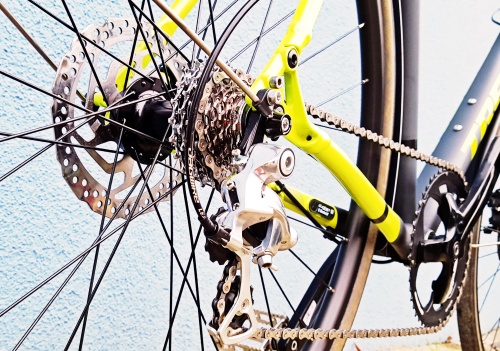
11-23

Rot Weiß Silber Schwarz
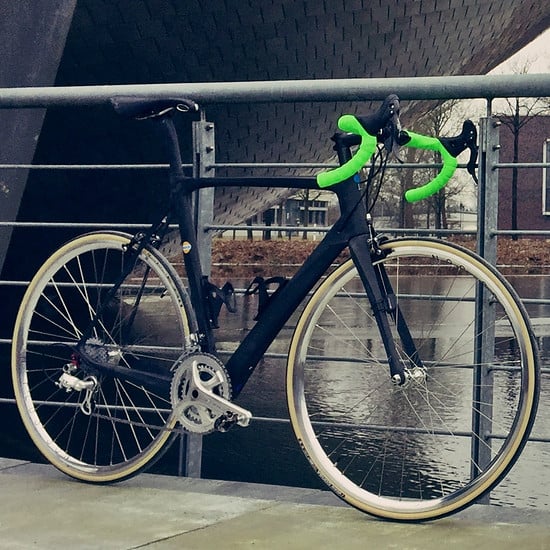
what ?

[not for real]

Geldgrab mit 61 Zähnen.

Fuchsien Schönheit

Japan Braut
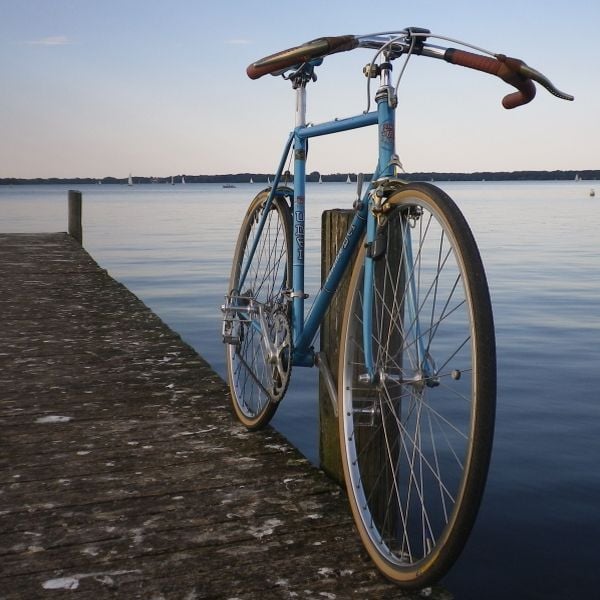
Blau Gold Weiss
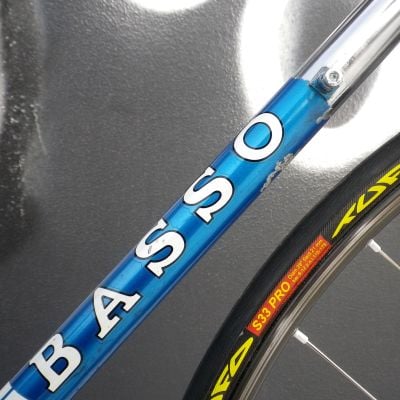
Track Version
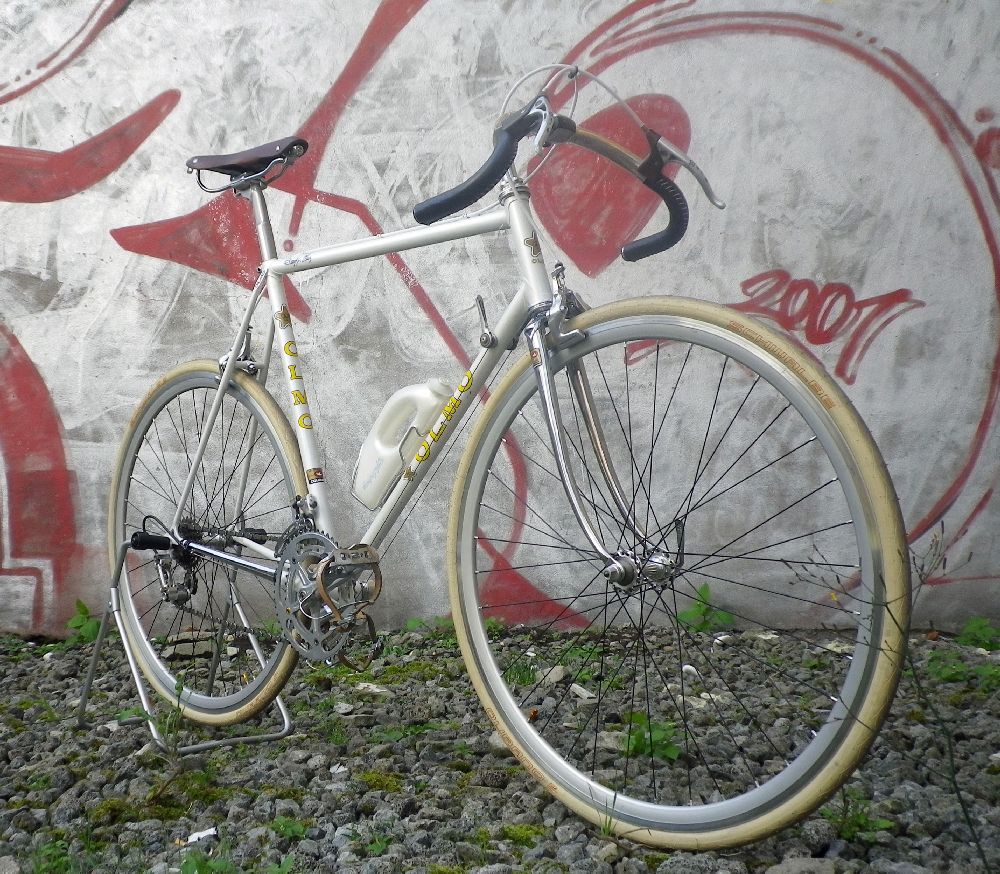
Zu schön zum fahren

7 kg Plastik und Blech

Motobecane, Raleigh oder Peugeot?
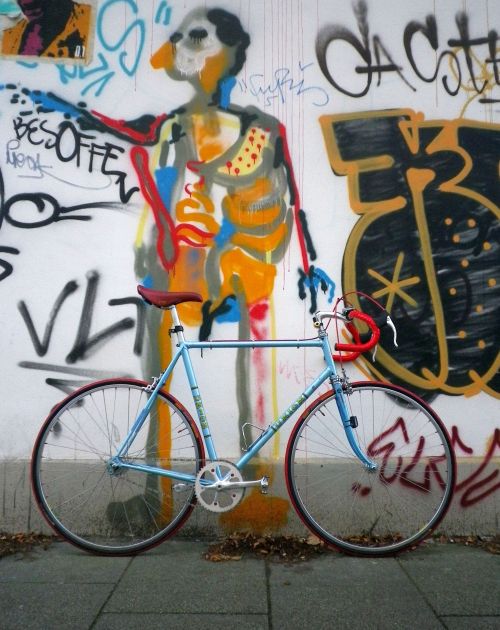
Beginn der der Fixie Liebe

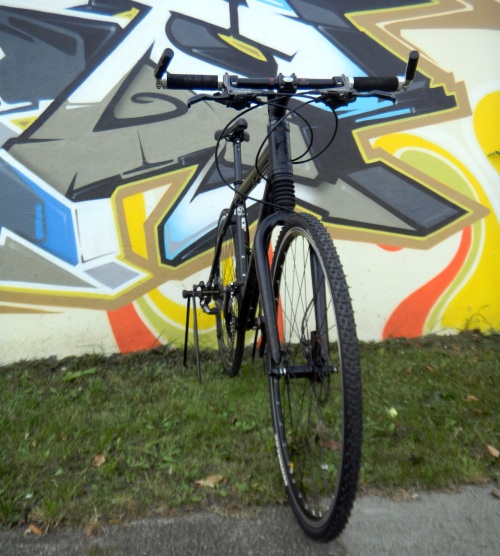
... what you gonna do ...
Nun komplett in blau

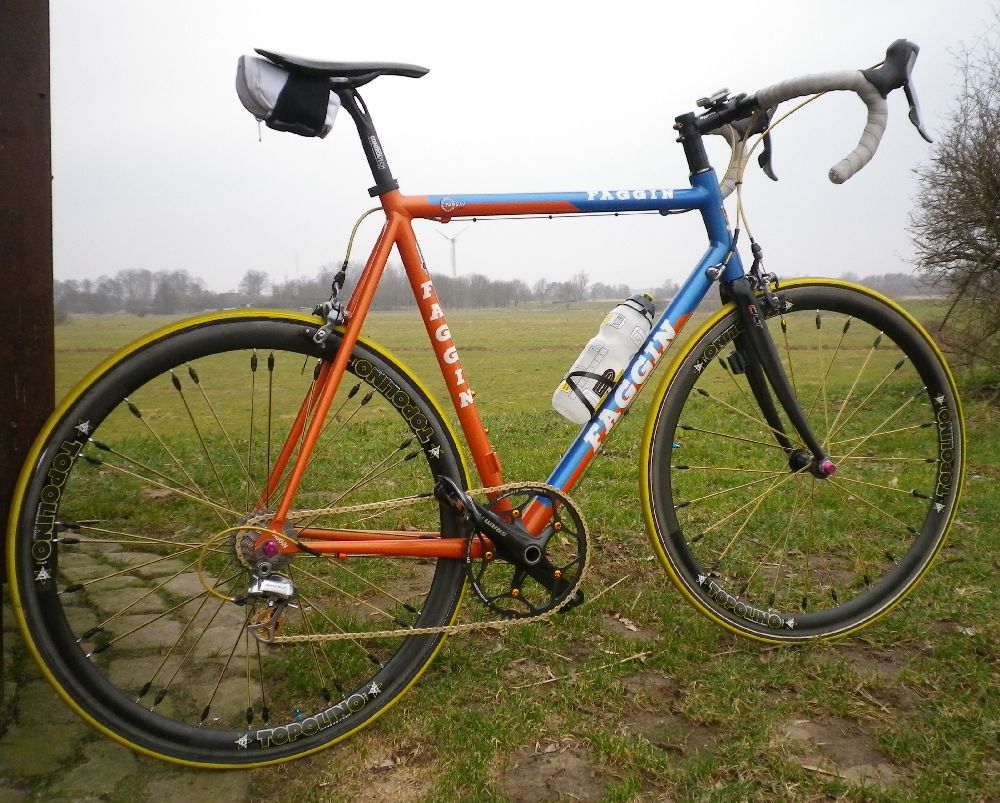

Leider nicht in Gunmetal Grey
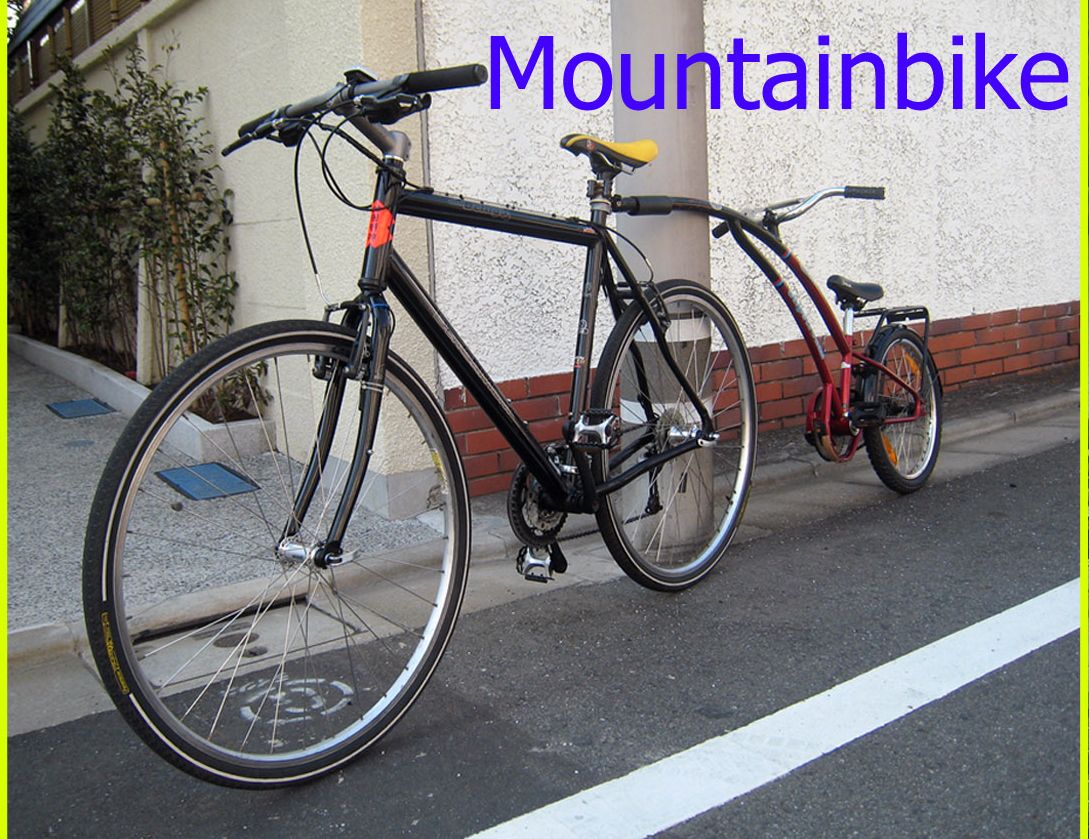
Da einzige RH 60+ Rad in Tokyo



Keep on cruising in the free world
Der Todesstern
Daccordi Universum

Design follows function
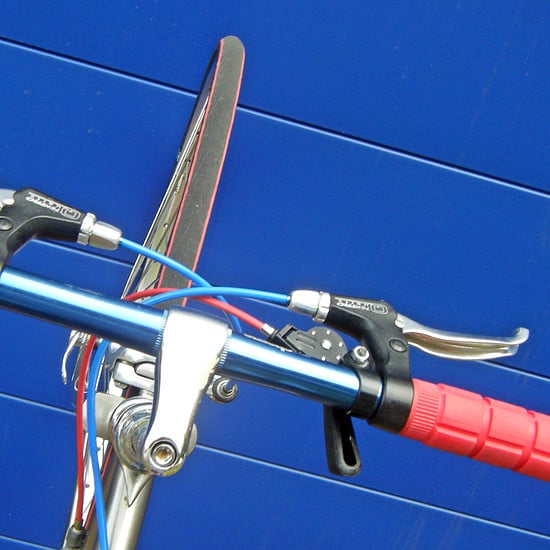
Blau Rot Silber

Arktis Blau
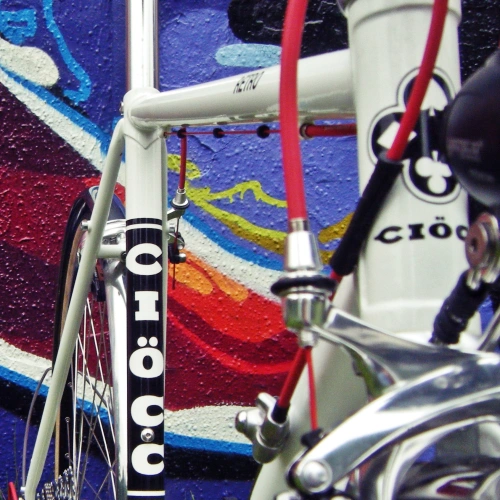
CIÖCC. Hannes.
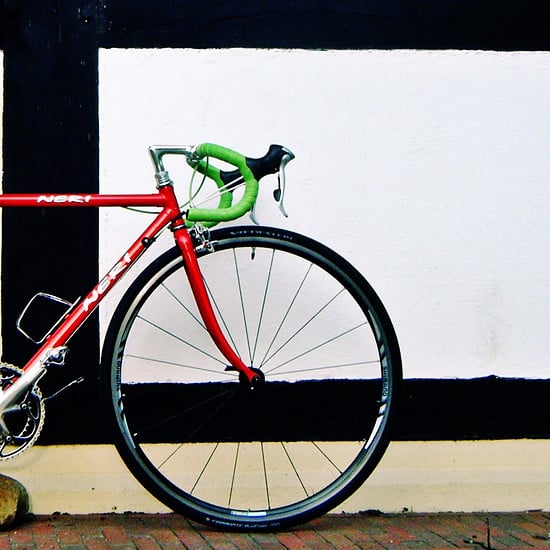
Drei Farben. Schwarz.

Beim Shopping.
Schwarz Rot Weiß
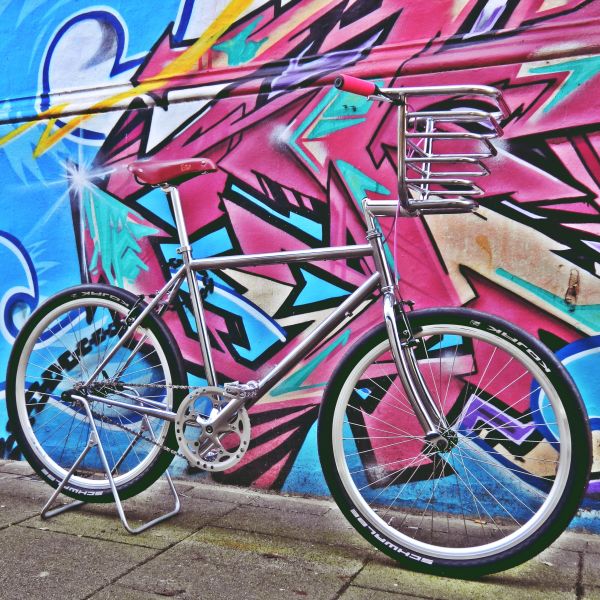
Shopping Blockade Runner
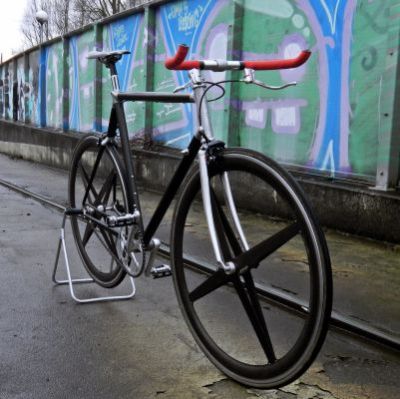
Entlackt
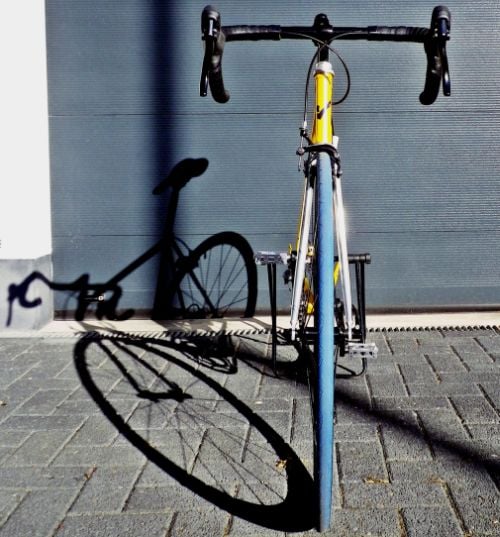
Viner Black Viper
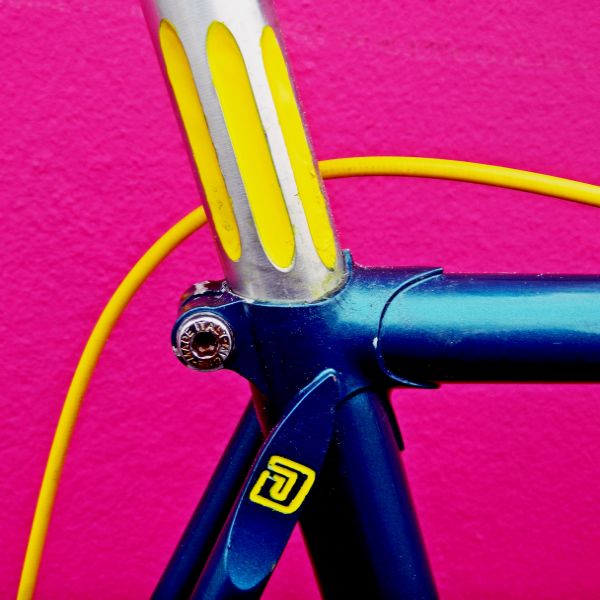
Gross und Gelb
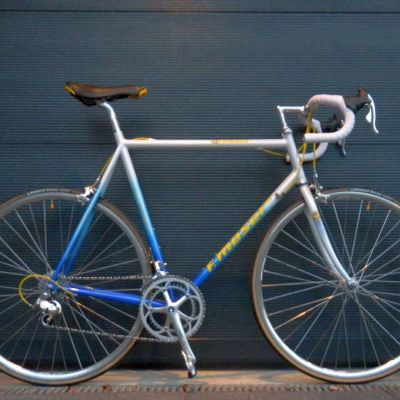
Oops.
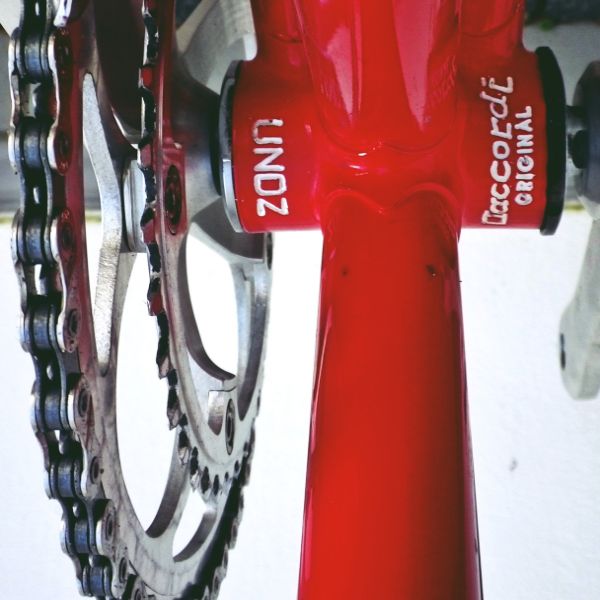
Zwischen Florenz und ....

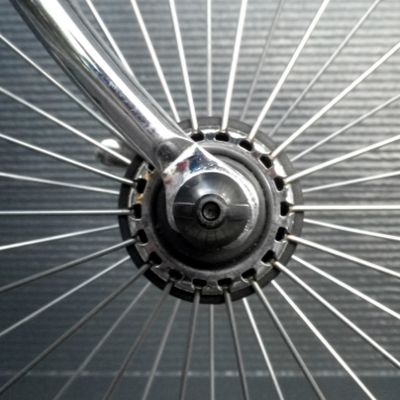
Dancelli O-nabe

Prinzessinnentraum
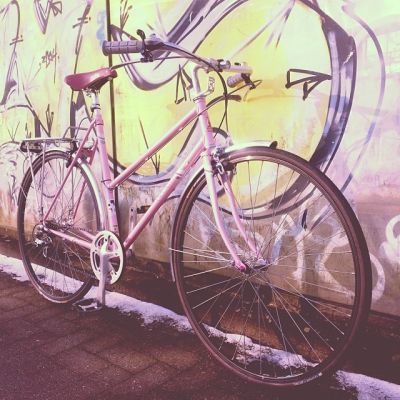
Aus einer anderen Galaxie

Fixie Projekt
Concorde Twin

Lange Geschichte
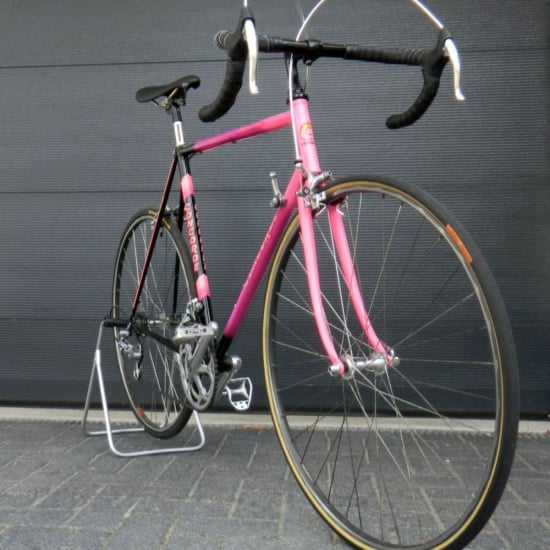
Classic Cyclone
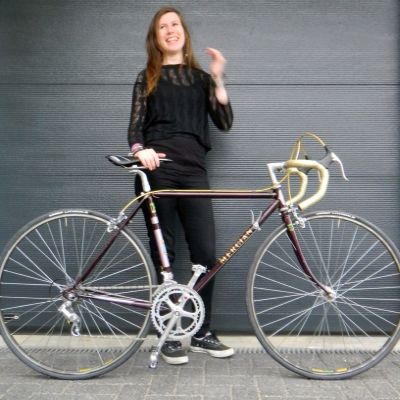
Für Manu
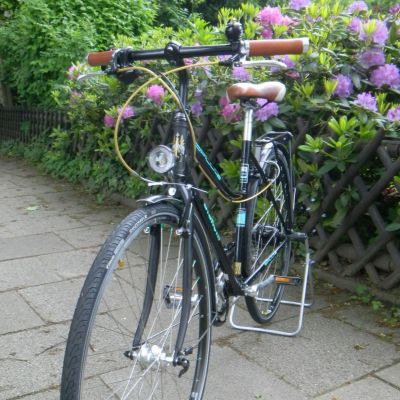
Für Midori
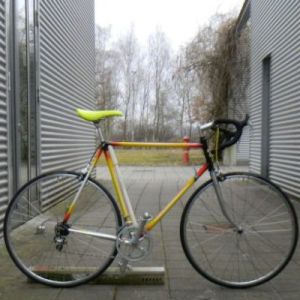
Deutschland !
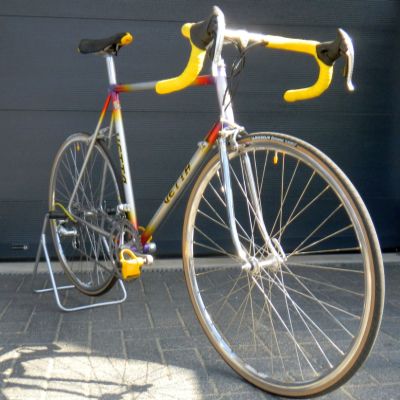
Grelle 80er Farben
Reus
Gold wert ?
Für Shozo
Neunziger eben
British Racing

Wait and See
Kotter für Heike
Colnago Super XL 1988






 bikesnob28hb
 fixiefanboyhb
 sudi1662
 there is no "I" in cyclyng