
Absolut verdient und am Ende richtig aufregend. Die Krönung einer sehr guten WM, auch das Frauenrennen am Samstag war richtig gut. Beim Rennen der Männer reichte es die letzten 10 km anzuschauen, da war Sagan top. Wow.
Absolut verdient und am Ende richtig aufregend. Die Krönung einer sehr guten WM, auch das Frauenrennen am Samstag war richtig gut. Beim Rennen der Männer reichte es die letzten 10 km anzuschauen, da war Sagan top. Wow.
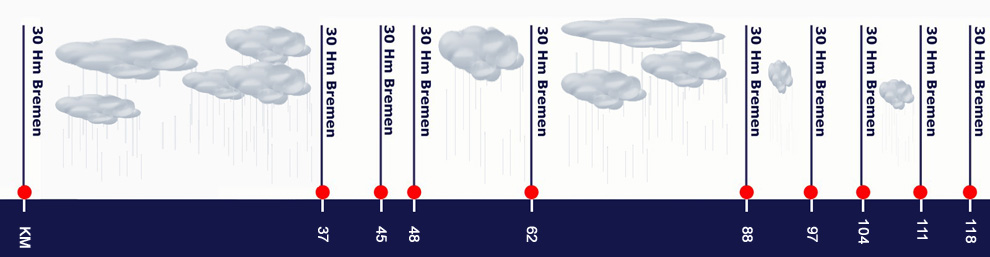
Freitag Abend. Die Arbeitswoche ist zu Ende. Diese hatte es ganz besonders in sich und hier noch einmal ganz besonders der Dienstag. Schlechte Nachrichten kamen quasi stündlich rein und um 14 Uhr fragte ich mich, ob es nicht besser wäre sich einfach ins Bett zu legen, um morgen einen neuen, besseren Tag zu beginnen.
Und das Wetter war auch mies, an längere Radfahren war nicht zu denken. Bis heute. Ein gutes Mittel sich selbst wieder gegen den Frust aufzubauen ist auf eine längere Tour nach der Arbeit zu gehen. Nach meinen Erfahrungen ist es gut einen Teil davon schnell zu fahren: Der Körper strengt sich an und schreit „Shut up brain!“ bis die schlechten Gedanken einfach weg sind. Es ist ein so einfaches Rezept, aber so schwierig in die Tat umzusetzen. Nach der Arbeit könnte ich ja erst noch ein wenig an den Rädern basteln, die Teilesammlung im Keller aufräumen, schreiben….es gibt so viele Dinge die kurzfristig erst einmal mehr Spaß versprechen, während die ersten Bewegungen auf dem Rad eher schmerzhaft und frustrierend sind.
Zum Glück sagt einem die Erfahrung, dass Radfahren jetzt genau das richtige ist, so dass ich mich oft eben trotz allem dazu entschließe eine Runde zu drehen, Zuerst macht es dann gar keinen Spaß. Ich fahre echt angestrengt 100 Meter von zuhause los und schaue auf den Tacho: 26 km/h, es kam mir vor wie 30. Muss kaputt sein.Oder ich sollte mal den Radumfang genau einstellen. Auf dem Radweg zur Erdbeerbrücke bleibe ich hinter einem e-bike. Die erdbeerbrücke geht es dann mal gerade mit 30 Sachen hoch, ist das wegen dem Gegenwind? So langsam wird es dann immer besser und ich weiß: Es war die richtige Entscheidung.
Heute Abend habe ich mich auf den Weg in den Westen gemacht, ein Gebiet dass ich bislang vernachlässigte, zu Unrecht aber. Kurz vor Groß-Mackenstedt treffe ich jemanden auf einem alten Olmo San Remo. Von da aus mache ich mich weiter auf nach Kirchseelte, Dünsen und Richtung Harpstedt,bevor ich dann wieder nach Syke abbiege, Es ist warm, ich bin aufgewärmt und der Herbst ist einfach schön. Norddeutschland zeigt sich von seiner typischen Seite.


Mit dem Wind im Rücken wird es jetzt gut schnell und ich will auch schnell und angestrengt fahren. Ich mag diese Strecke, weil es immer wieder Wellen gibt die das Gefühl einer Andeutung von bergen vermitteln. Zum übersprinten sind sie zu kurz, aber richtig in den Klettermodus komme ich auch nicht.
In Syke nehme ich die abgesperrte Straße Richtung Okel, von da aus weiter nach Riede. Die Landstrasse geht es nun an der Weser lang Richtung Dreye. Gegen den Wind, aber ich bin jetzt so motiviert, dass ich immer noch deutlich über 30 km/hr fahre. Der Sonnenuntergang zwingt mich zu einer zweiten, kurzen Fotopause.


Dann noch eine dritte, kurze Pause zum rauchen an einer Bank auf dem Weserdeich kurz vor Rammelland. Keine neuen Rekorde, aber eine gute Runde, die aus Erfahrung notwendig war. Kompensation für das Leben.

While flat pedals seem to be making a resurgence, we also seem to be in renaissance of sorts of the flat pedal itself. First it was magnets, then float, and now a special shoe/pedal interface the promises more connection to the bike than your average flat pedal without ever clipping in.
Currently without a name, the concept comes to us by way of Klein Designs. As a former motocross rider, Maxwell Klein was looking for a better option when it came to pedals for his mountain bike. Wanting more control without having to clip in, the honeycomb concept was born and is currently seeking funding…

The concept is pretty simple, rather than relying on traction pins or sticky soles, the shoes use a honeycomb pattern with the opposite pattern made into a pedal. Since the entire sole uses the same honeycomb, riders can “clip in” anywhere and can make small adjustments by slightly repositioning their foot. After a number of 3-D printed prototypes, the concept has been tested and proven using hand carved soles and CNC machined pedals.

Unlike typical flat pedals, the honeycomb concept would require specific shoes to get the most benefit out of the pedals. Though you could certainly still pedal with any other shoe since it is technically still a flat. Additional benefits include the lack of sharp traction pins to potentially cut your shins, and a more walkable sole then the average clipless pedal.
Currently seeking funding through a Kickstarter project, shoe and pedal combinations start at $199.
David hat dieses Jahr, nach 2011, wieder an PBP teilgenommen und erfolgreich beendet. Ich finde das eine unglaubliche Leistung; vielmehr finde ich aber auch, dass das unglaublich viel Zeit ist für etwas was (meiner Meinung nach und mir) keinen Spaß macht. Vielleicht ist dies aber auch nur eine Vorurteil. Am abschreckensten findeich den Mangel an Schlaf. Könnte ich nicht, wollte ich nicht. Das vorherrschende Image von PBP diess Jahr sind Photos von Radfahrern die egal wo schlafen: am Wegesrand, in Straßengräben, hockend auf dem Bürgersteig, auf Bahren in Unterkünften….
 Netter Film dazu vom NDR. Danke an Yuji für den Hinweis.
Interessant. Vor allem nach dem Besuch bei Q36.5 in Bozen im August un den Gesprächen mit Luigi, der Jahrelang bei Assos tätig war, zuletzt in der Position des Head of R&D.
Assos produziert Radbekleidung für Profisportler, die dann letztendlich aber in der der Masse an Amateure und Jedermänner verkauft werden. Wie entwirft man so etwas? Als kompromissloses Material für den Profi, oder ist es nur das Marketing, dass uns diese Bekleidung als professionell verkauft, während Schnitt, Design und Material doch eigentlich auf Hobbysportler abgestimmt sind?

It’s hard to believe in a world of massive corporations that a company can still be family-owned, but Assos has been a Maier family operation since the 1970s — until now. Philip N. Duff, former owner of Black Diamond Equipment, has purchased a majority interest in the Swiss purveyor of high-end cycling apparel, along with a private equity firm called the TZP Group and Greg Avis, a board member of USA Cycling Foundation.
Roche Maier will continue to be involved with Assos product development and innovation. Duff takes over as the company’s CEO, lending business experience gained from his extensive resumé that includes CFO of Morgan Stanley, President of Tiger Equipment, founder of FrontPoint Partners, and lead director of Black Diamond Equipment.
“I have been a customer of Assos since Toni Maier changed athletic apparel with the introduction of the first Lycra cycling shorts in the late 1970s,” says Duff. “I have only ridden Assos ever since. I am delighted to join a team that has built a truly authentic brand — top cyclists building innovative apparel for passionate cyclists.”
While it’s unclear what the shift in ownership means for Assos products and sales, the company hopes Duff can help “carefully expand” the Assos brand, continuing the company’s “sponsor yourself” mantra aimed at an affluent demographic of cyclists looking for high-end apparel.
Eingeordnet unter 2015, Design&Fashion, Mob
Become a Strava Artist with These GPS Tips
The GPSdoodles.com creator reveals his secrets to creating Strava art by bike

BY MOLLY HURFORD AUGUST 31, 2015
If getting a KOM isn’t high on your bucket list of cycling goals, there’s another way Strava can boost your motivation to ride: using it to create art. Rather than focusing on speed, some cyclists are focusing on creating routes that, when ridden, show up as designs or words—even marriage proposals! Stephen Lund, creator of GPSdoodles.com, is one of the best “Strava artists” in the world. “If you have a GPS and you have a bike, you can experiment and explore and see what’s possible,” he says. “And it’s great fun!” He’s working on a book to share a complete how-to for Strava art, but for now, he shares a few of his top tips.
The Route Is King
Before he sets out, Lund meticulously pre-maps his route to get his design perfect. To start a design, Lund finds it most helpful to highlight the main thoroughfares in an area on a map (on paper or in Photoshop) and then stand back and look for ready-made shapes. He adds that unfortunately, maps don’t always account for roadwork and detours, and even a minor route change can throw off a drawing. Using Google Maps to design a route and then uploading it to a GPS device is a great way to prepare.

Work with What You’ve Got
Even rural cyclists can use rolling, curving landscapes to create cool stuff, though they might have to look harder at maps to create cool routes. “Anywhere you are, there’s creative potential,” Lund says. Zoom in and out of an area on Google Maps, look for cool lines and shapes (or have a rough idea of a word or shape to create), and then look for roads that will match it.
Start with Words
“My first was a Happy New Year sign on Strava,” Lund says. Words are easiest to create because they’re fairly straightforward, he explains, and you can—if you plan carefully—simply pause Strava for a few yards in order to create a space between each letter. Words are particularly easy, Lund adds, if you live in a neatly gridded city.
Expect to Increase Your Mileage
„Doing Strava art the past seven months has gotten me to do 4,000 kilometers of riding that I wouldn’t have otherwise done,” Lund says. He adds that having a purpose for his rides has added a new element of fun to them, and now he can’t wait to get back home to upload his files to see if his designs worked out.
… And Expect to Be Out for a While
“Most of the pieces take about 70 kilometers to do,” Lund says. Budget for extra time on Strava art rides, since following a route perfectly is key to a flawless design, and you’ll likely need to stop to ponder your route map at least once or twice. He also adds that he occasionally has restarted a ride after a wrong turn, and that mileage definitely adds up!
Don’t Be Cliché
“I hear a lot about people drawing penises,” Lund says. “It seems weirdly popular. And maybe I would do that one day, but it would be on a statue of David, to give it some context.” Be original with your artwork.
Large Scale Is Your Friend
Especially for new Strava artists, focusing on a bigger picture will make mistakes less visible on the overall map. If you’re in a city and focused on a small range of city blocks, each misstep will be ultra-apparent—but if you create a cool shape from a 100-mile journey, even if you made a minor error, it won’t be as obvious on the overall map.
Go Off-Road to Smooth Curves or Connect the Dots
„I use a lot of off-road improvisation,” Lund says. He’ll occasionally use trails, stairwells, and even open fields to create the perfect image when the roads aren’t cooperating. “It’s that urban exploration that makes it fun,” he adds. It’s about the art of adventure, and it helps you get better acquainted with the area you live in—you might find some great backroads in the pursuit of art!
Don’t Get Discouraged
If you miss a turn, your drawing might be ruined that day, but you can always try again tomorrow. “It can be demoralizing at times,” Lund explains, when you’ve spent a day on a careful artistic route only to find an early wrong turn derailed your drawing. “There’s no eraser, so you’ve got to pay closer attention in rides,” he adds. There is a silver lining to being hyper-aware, though: That attention to the route can actually bring a new element of focus to your rides.
Eingeordnet unter 2015, Design&Fashion, Mob
Erst einmal schwarz und weiß sehen.
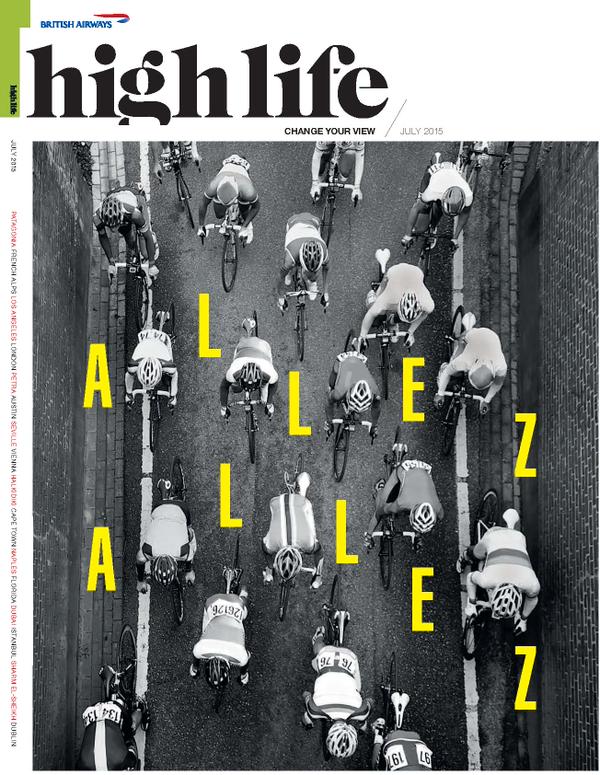

Roger „Bubi“ Baumann, Gewinner Paris-Brest-Paris 1956 oder 1961 Vor dem „Aux trois Obus“ in Paris.
Tour de France 1949, via British Pathe


London Red Hook Criteria via Trackosaurus

Japan Keirin: Helmcover Aufbewahrung via Milano Fixed

Sieben klassische Radhelden. Ebenfalls via Milano Fixed.
RADRACE Heidbergring 2015 from Captured Heroes on Vimeo.

und natürlich Eddy Merckx.
Eingeordnet unter Uncategorized

Am Vorabend war ich der Suche nach einem Wetterbericht, der keinen Regen für heute versprach. Ich wurde fündig bei Kachelmannwetter.de und glaubte ihm, schließlich wurde der Mann ja von allen Vorwürfen freigesprochen. Das hätte ich mal besser nicht getan, ist aber ohnehin egal.
RRG Bremen und RCB hatten sich zusammengetan, um ein 13,5 km Einzelzeitfahren in Seehausen (zwischen Grasberg, Worpswede und Adolphsdorf) auszurichten. Für Seehausen ist das etwa ein Event wie die Cyclassics für Hamburg, die Eurobike für Friedrichshafen oder die Zubehörmesse Ober Westfalen (ZOW) für Bad Salzufelen. Die ZOW ist übrigens von den drei genannten, die einzige Veranstaltung an der ich jemals teilnahm – und dann auch noch zwei Mal.
Schon als ich rausfuhr wusste ich, dass das nicht besonders lustig werden sollte. Zwar überholte mich ein Zirkuskonvoi, aber ich war zu spät dran, musste powern, um überhaupt rechtzeitig zum Start zu kommen, dann fing es auch noch an zu regnen und zu guter letzt legte ich mich am Ende von Lilienthal noch fast hin ,da dort der Bürgersteig mit komischen Plastikgraten gepflastert ist. All dies sind Vorboten eines schlechten Kharmas, das man erst nehmen sollte.
Als ich die Stadtgrenze von Seehausen passierte, kam mir schon der erste Starter entgegen. Und dann der zweite. Wären jetzt sieben Starter weniger am Start gewesen, hätte ich dann gleich los fahren können; so konnte ich mich in die wartende Gruppe einreihen. Zufrieden stellte ich fest, dass fast die gesamte Elite des Bremer Radsports vollständig angetreten war und sich nicht von dem Wetter liess abschrecken. Ich meine damit, dass die wirklich guten Fahrer an der Zeitnahme sassen, die der ausrichtende Verein stellte. Am Start waren die üblichen Luschen, Lutscher, Versager und Männer in der Midlifecrisis, mich selber eingeschlossen. Um keinen direkt zu beleidigen, habe ich alle Namen geändert (bis auf den meinen, da hilft’s ja nix).

Die beiden Fahrer im Vordergrund links zogen dann richtig an und wurden nie wieder vom Feld gesehen.
Insgesamt war es aber die richtige Strategie gewesen kurz vor dem Start aufgewärmt anzukommen, wenige Minuten zu warten und dann gleich loszubrettern.

Lars O, dessen Leben in den Siebzigern verfilmt wurde, und Schnippo Lühmann dessen Leben aus Altersgründen erst 2010 verfilmt wurde, waren zu diesem Zeitpunkt bereits auf der Strecke. Oder eben nicht mehr, doch dazu später.

So langsam kamen wir dran, aber so richtige Nervösität kam da nicht auf. Ich ging als Letzter auf die Strecke, direkt hinter Medi „Night“ Wick, den ich nur noch als Punkt auf der geraden Strasse vor mir erkennen konnte. Von links motivierte mich das Gekreische der weiblichen Fans.

Familie Wick, der der Rad fährt ist 8. von links.
Ich wollte mich nicht direkt am Start so total verausgaben und liess es ruhig im 36 – 40 km/h Bereich angehen, bis in nach ca. 2 km an die erste Abbiegung kam. Dort stand ein Streckenposten und lotste uns in den Schwerverkehr Richtung Worpswede ein. Das Stück auf der Landstrasse hier war relativ lang, bis dann Jochen Bee (Bruder von Dagi Bee) uns wieder von der Landstrasse in Richtung Adolphsdort lotste. Das war nun gegen den Wind und im Regen und machte da nicht so viel Spaß. Nach ein paar Kurven, auf dieser technisch sehr anspruchsvollen Strecke, bei der Medi immer nur ein schwarzer Punkt vor mir bleib, kamen wir dann wieder auf die Zielgrade nach Seehausen zurück und nach 13,5 km und etwas mehr als 22 Minuten war für mich alles vorbei. Fand ich gut, dass das nicht so lange gedauert hat denn auf viel mehr hätte ich auch keine Lust gehabt.
Gewonnen hatte übrigens mit neuem Streckenrekord Lars O. Nach eigenen und geschätzten Angaben, fuhr er 20 km auf dem 13,5 km Rundkurs, während sich alle anderen Fahrer mit 13,5 km den zweiten Platz teilen. Da kann man nur gratulieren, was aber dann nicht der Verein tat: Entgegen jeder Vernunft wurde nicht die längste Strecke, sondern die schnellste Zeit gewertet. Neumodischer Ideenkrams – nicht alles was neu ist, ist gut. Vor allem nicht, wenn man über 50 ist. Ich denke das folgende trifft gut, wie sich die Geisteshaltung mit dem Alter ändert:
„Alles was man zwischen der Geburt und dem 20. Lebensjahr kennen lernt ist normal und kann nicht anders sein; alles was man dann bis zum dreißigsten Lebensjahr neues kennen lernt ist aufregend und verspricht eine Karriere im Beruf. Allles was man dann später als 30 kennen lernt stört im Prinzip den natürlichen Lauf der Dinge.“
Wie dem auch sei, hier sind die Ergebnisse, so wie der Verein das eben sieht (Namen geändert, um die Schuldigen zu schützen):
Anschließend gab es eine schöne, aber kurze Feier in in der Mehrzweckhalle von Seehausen. Zu meiner Freudne entdeckte ich, dass dort „mein Bier“ und zwar Hannen Alt aus Mönchengladbach bzw. Korschenbroich ausgeschenkt wird.

Wow, das Zeuch habe ich getrunken als ich 14 oder 15 war, da war das sehr cool. Am besten in Der Meisengeige oder in der Kiste auf der Waldhausener Strasse, das waren so die unglaublich progressiven Läden damals. Schmeckte mir überhaupt nicht, da zu bitter, aber bitte, als Teeny macht man so was ja ohne mit der Wimper zu zucken durch.
Alles da war sehr gut organisiert und mit viel Mühe gemacht. Das fand ich sehr schön und verdient Dank, denn das alles ist nicht selbstverständlich. Wenn es vielleicht etwas zu bemerken gibt, dann nur, das die Innendekoration der Mehrzweckhalle so aussah, als wenn der Raum, vor 50 Jahren zugemauert und dann erst vor kurzem wieder zufällig entdeckt wurde. Aber das sind wirklich Kleinigkeiten.
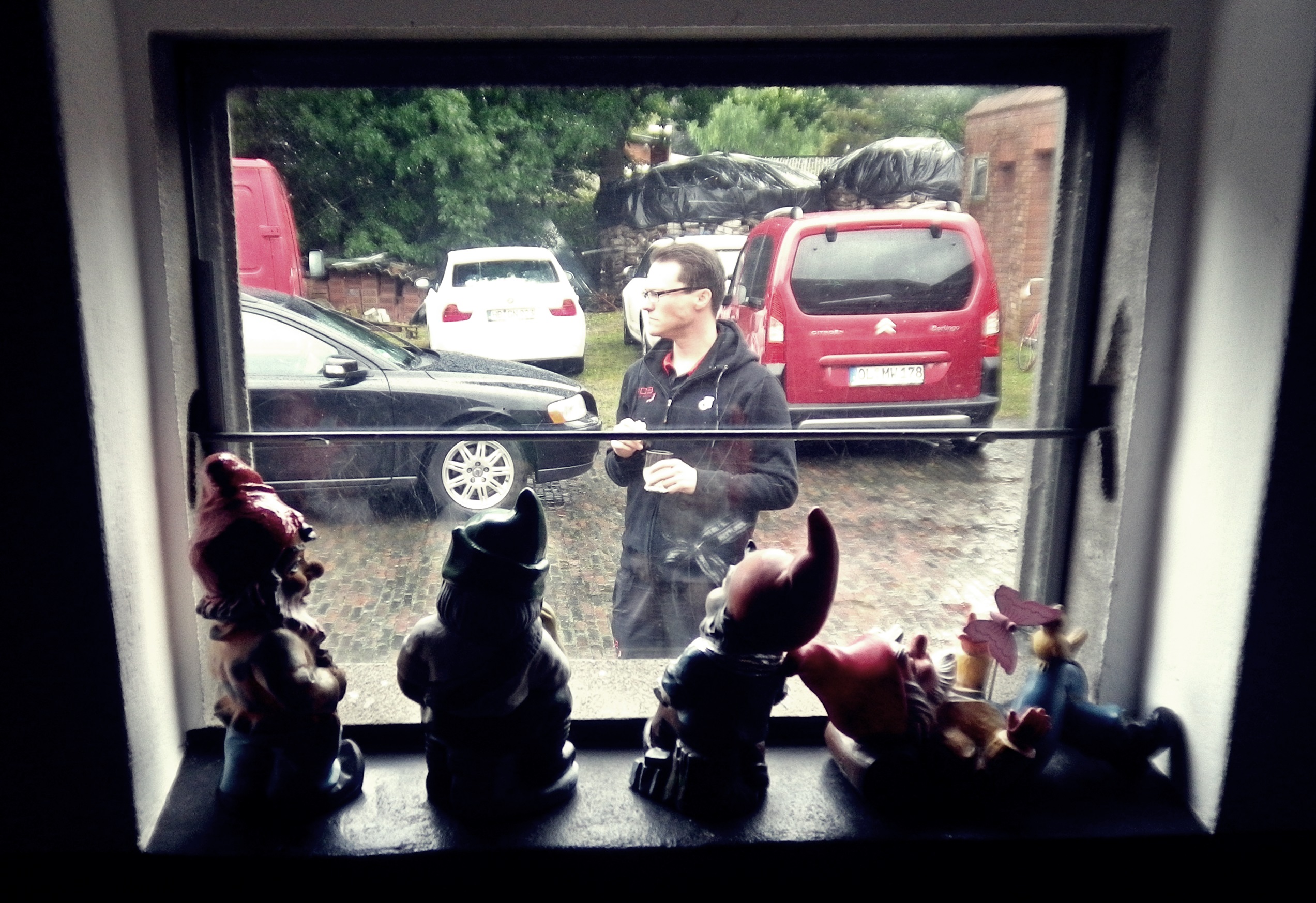
Der Herbst kommt. Die meisten Gartenzwerge wurden bereits ins Trockene geholt…..

.. während Schweine-teure Räder draußen stehen müssen.
Irgendwie habe ich mich verquatscht und bin dann alleine nach Hause gefahren – ne, eigentlich gekrochen. Bei dieser Gelegenheit bin ich auch den 10.000 Kilometer für dieses Jahr gefahren. Alles in allem dann doch ein sehr netter Tag, Danke an die RRG und den RCB für das Ausrichten und die Einladung.

Crazy, cool helmets
via bicyling.com
To see how far cycling technology has evolved over the past 30 years—and why your own helmet is safer and cooler than ever—check out these 11 innovative helmets, all of which were first unveiled at the Tour de France.
BY KIP MIKLER JULY 22, 2015
Since the first Tour de France in 1904, racers have worn various forms of headgear for comfort, protection, and style. Those styles have evolved over the years: wool newsboy hats, brimmed cotton caps, leather hairnets, and a long list of wacky experiments in aerodynamics.
Though some purists argue that style went out the window in 2003, when certified hardshell helmets became mandatory, most riders today are happy to have the protection—even if we’ll never again witness the likes of Fausto Coppi and his perfectly pomaded coif slipping through the wind. Just like frames, wheels, and other components, today’s helmets are high-tech performance gear pieces, developed through advanced engineering and expensive helmet testing .
Early 1900s to the 1970s: The Hairnet
The longest-lasting (to date) “helmet” style at the Tour was also the least effective for crash protection. In the early 1900s, racers began strapping on headgear made from strips of leather and wool. By the 1970s, some European countries including Belgium had begun to require helmets, and the hairnet became ubiquitous in the peloton among riders from those countries. The design and materials had evolved, too. Though the Tour didn’t mandate helmets until many decades later, some riders wore hairnets, such as this popular Cinelli Danish Helmet, all the way up until the 1990s. But lab tests eventually proved what was suspected all along—the hairnet provided little protection from impacts.
1985: Cinelli Aerolite
The most lasting images of Bernard Hinault at the Tour are of a man in yellow, wearing nothing more for protection than a thick, brown shock of hair. But the Badger was an early adopter of new technologies, and he was always looking for an advantage in time trials. In 1985, his sponsor Cinelli created this Aerolite helmet, which was considered cutting-edge at the time. Wearing it, Hinault won the prologue, and went on to secure a record-tying fifth Tour title.
The Aerolite was created specifically for aerodynamic purposes, with no padding, no vents, and no features for crash protection on the road. Though aero cycling helmets had first emerged at track events including the 1984 Olympic Games, the Tour de France had never seen anything like the Aerolite. Its general profile—a plastic shell with a drop-tail shape—established a new design language for nearly every time-trial helmet that followed.
1989: Giro Aerohead
Though the Cinelli Aerolite started the discussion, this is the helmet that legitimized the idea that aerodynamics matter in bike racing. And its design was a bit of an improvisation: When the UCI banned Greg LeMond’s longtail TT helmet after the 1989 prologue, his helmet sponsor Giro was prepared. “We built a shorter version and delivered it just prior to the Stage 5 time trial that Greg won,” said Giro GM Greg Shapleigh. “That was the big unveiling of Greg’s aero helmet and handlebars, and it signaled that he was a contender for victory.” LeMond came into the final stage TT 50 seconds behind GC leader Laurent Fignon. While Fignon raced with his ponytail flapping in the wind, LeMond attacked the 24.5km course in Paris wearing this radical snub-tailed helmet, which Giro called the Aerohead Bullet. He averaged close to 55kph, beat Fignon by 58 seconds, and won the Tour by eight seconds—the closest margin of victory ever.
1994: Limar F104
With a background in motorcycle helmets, Italian brand Limar produced its first expanded polystyrene (EPS) helmet in the late ’80s—a time when most European pros still raced with leather hairnets. Limar partnered with Gianni Bugno’s Gatorade team in 1993, and the two-time world champion said he wanted a lighter-weight hardshell helmet with better ventilation. Along came the F104, with 10 large vents, a tapered tail that was designed with wind-tunnel analysis, and a claim to be the world’s lightest road cycling helmet.
1994: Specialized Sub 6
By the mid 1990s, helmet designs were getting steadily lighter. Then along came the Sub 6—unveiled at the 1994 Tour with Team Motorola. As the name suggests, it had a claimed weight of less than six ounces (170 grams)—crazy light, even by today’s standards. “I hated every helmet out at the time,” said Specialized creative director Robert Egger. “I wanted something that was as comfortable as a hairnet, because that’s what I used to wear.” The Sub 6 featured large air vents and lacked any type of hard shell or fabric cover—but it became a functional, widely available helmet that passed the safety certifications of the time. It didn’t even have a fit system, just simple straps secured with double-sided tape. Egger helped fit Motorola riders including Lance Armstrong, who appreciated the light weight and ventilation, even if it meant doctoring up the foam to get a perfect fit.
1999: Giro Rev V
Throughout the late 1990s and early 2000s, aero-helmet designs went big and bold. Long, pointy tails. Integrated eye shields. Smooth, frontal surfaces devoid of air vents. Most credit Lance Armstrong’s trusted aerodynamics guru John Cobb for this trend. Working with Armstrong at the Texas A&M wind tunnel, Cobb came up with the idea for the Rev 5. “Cobb’s concept was to keep it aerodynamic even when Lance dropped his head and the tail of the helmet stuck up in the air,” said Giro GM Greg Shapleigh. Giro’s team built and delivered a prototype just before the prologue of the 1999 Tour. Armstrong won the prologue and two individual time trials, and competitors went on to mimic the design for years. Since helmets still weren’t mandatory at the Tour, these were really just head fairings—plastic shells made for aero enhancements, not protection, and the Rev V was never produced for consumers.
2008: Specialized S-Works 2D
Following the death of Andrei Kivilev from a crash at Paris-Nice, the UCI finally made helmets mandatory for the 2003 Tour. A new era unfolded as manufacturers scrambled for designs that could pass certifications (and the fickle demands of riders). Weight was an issue, as always. So when Specialized introduced the 2D at less than 200 grams, a full 30 percent lighter than the model it replaced, it set a new standard. The name references its key technology: dual-density foam. The side sections featured high-density foam, while the center/top parts used lower-density foam. Worn by a number of pro teams including Gerolsteiner, Silence-Lotto, and Lampre-Fondital, the 2D had a huge horizontal port in front and tall, fin-like vertical exhaust ports in the back. A Kevlar fiber internal skeleton held it all together.
2012: Giro Air Attack
The Air Attack debuted at the 2012 Tour. Chris Bullock, a contracted helmet designer who has done work for Giro, Specialized, and Giant, connects the dots for the Air Attack back to a Giro concept helmet known as the “Bug” that was originally created before the 1992 Olympics. Almost 20 years later, the Garmin-Sharp team had the idea for a sprinters’ helmet. “They wanted domestiques to drop back to the team car before the finish and swap helmets for the sprinters,” Bullock said. Giro looked back at the Bug, implemented some of its core design ideas, and created the “sprinters’ helmet” for the Garmin team. Two years later, it debuted at the Tour as the Air Attack aero road helmet. Giro claimed that the Air Attack had 12 percent less drag and 97 percent of the cooling power of its Aeon road helmet.
2014: Bell Star Pro
Two years after the arrival of aero road helmets, Bell introduced a new twist called “Active Aero.” The Star Pro model, launched with the Belkin squad at the 2013 Tour, allowed racers to switch the helmet’s aero mode on or off while riding. The idea was simple: In its aero mode, the Star Pro reduced drag like any other aero helmet. But the vents could also be opened via a simple slider button on top of the helmet. The Star Pro also featured an integrated eye shield with a magnetic mount. The design worked well enough for Belkin rider Lars Boom, who scored a solo win on Stage 5, a brutal day of rain, wind and cobblestone roads in northern France.
2014: Kask Protone
With the reigning Tour de France champion Chris Froome on its squad, the big-budget Team Sky was known to spare no expense in developing technological advantages. While most teams were still caught in the arms race to have an aero road helmet offering (17 of 22 came to the 2014 Tour with some sort of aero road helmet), Sky showed up with this prototype Kask Protone. Designed to combine cooling technology with aero performance, the Protone seemed to swing the pendulum in the opposite direction. Rather than having a vent-free bowling ball shape, it featured wide-open frontal vents and sharp lines. According to Kask, the idea was to focus more on real-world comfort and how aero performance is affected by variables like rider posture and even where you place your sunglasses on the helmet.
2015: MIPS System
Swedish helmet manufacturer POC was the first to use Multidirectional Impact Technology (MIPS) in cycling helmets. The MIPS system is based on 19 years of academic research and trials in Sweden, and uses a low-friction interior liner with an elastomeric attachment system, which the manufacturer claims will help to reduce the risk of injuries. In angled impacts, the MIPS system allows the foam liner of the helmet to independently rotate just a few millimeters around the rider’s head and redirect energy, and some tests show that MIPS can reduce the amount of rotational force transferred to the brain in certain impacts. While POC was first to use MIPS in a cycling helmet, the Giro Synthe, just launched this month, is the first to be used at the Tour de France. Three teams—BMC, Katusha and IAM—are using it at the Tour.
Eingeordnet unter Uncategorized
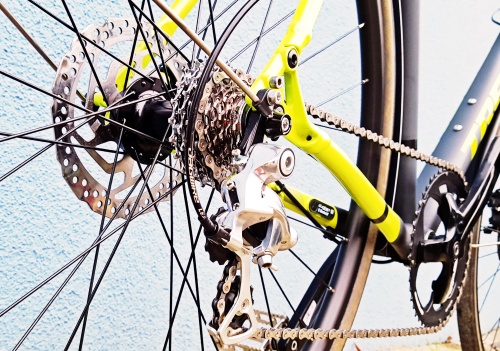
11-23

Rot Weiß Silber Schwarz
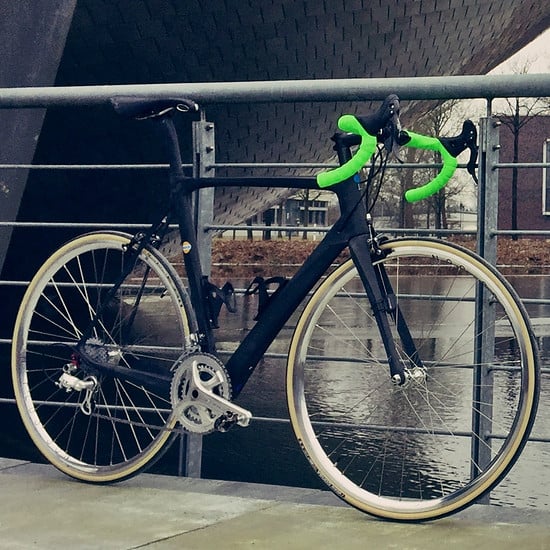
what ?

[not for real]

Geldgrab mit 61 Zähnen.

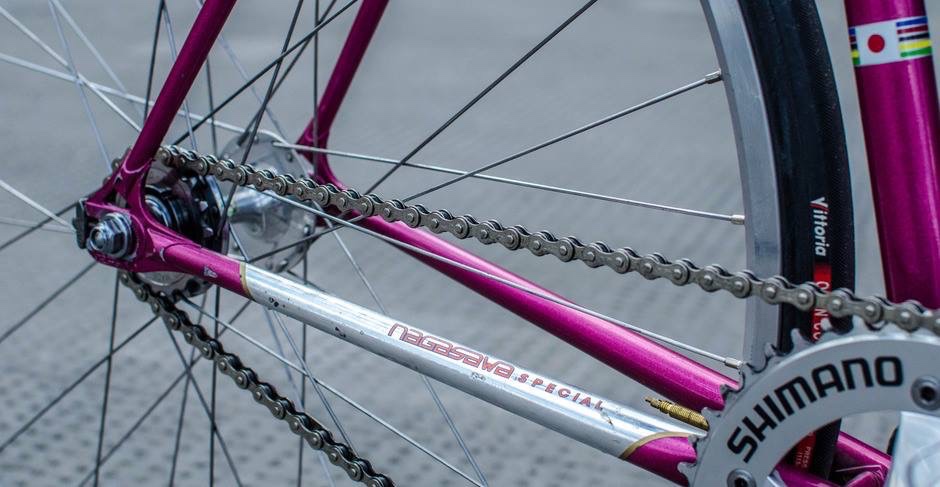
Fuchsien Schönheit

Japan Braut
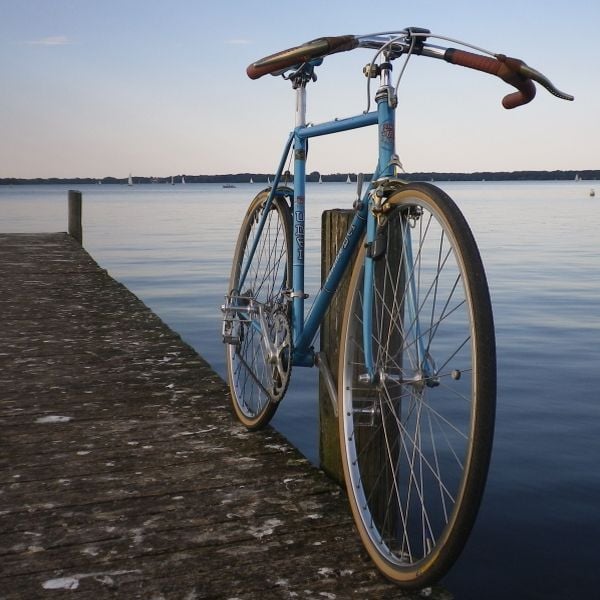
Blau Gold Weiss
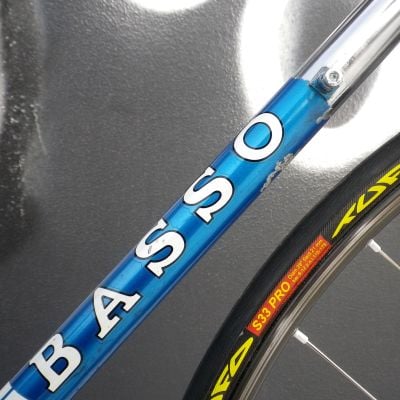
Track Version
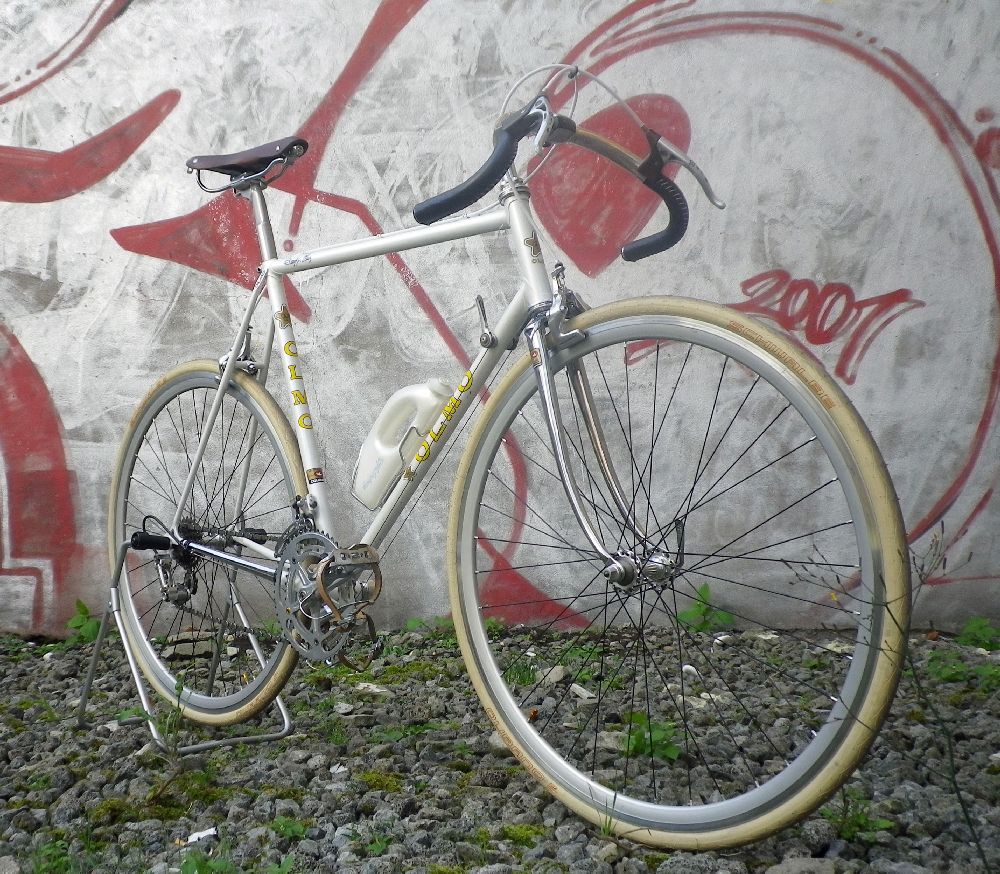
Zu schön zum fahren

7 kg Plastik und Blech

Motobecane, Raleigh oder Peugeot?
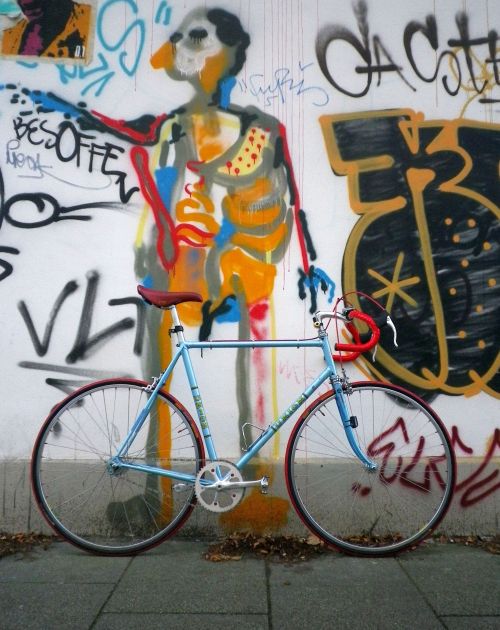
Beginn der der Fixie Liebe

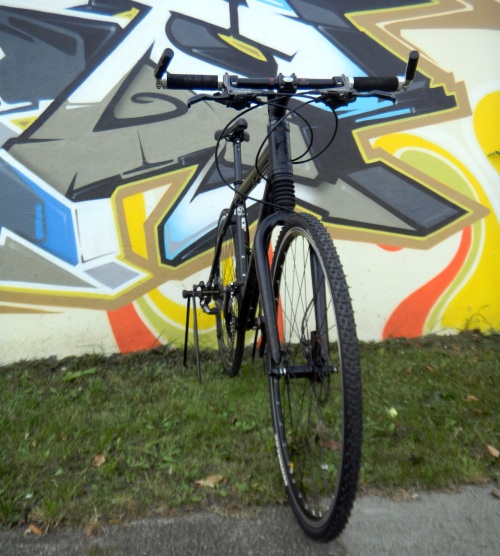
... what you gonna do ...
Nun komplett in blau

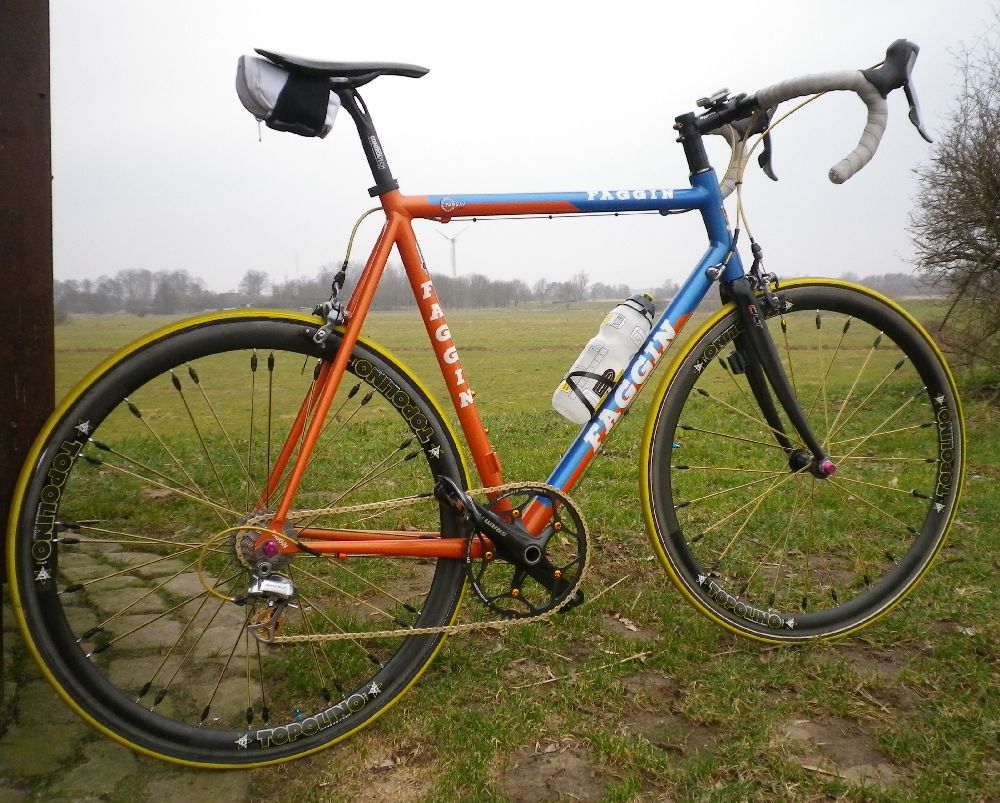

Leider nicht in Gunmetal Grey
Da einzige RH 60+ Rad in Tokyo


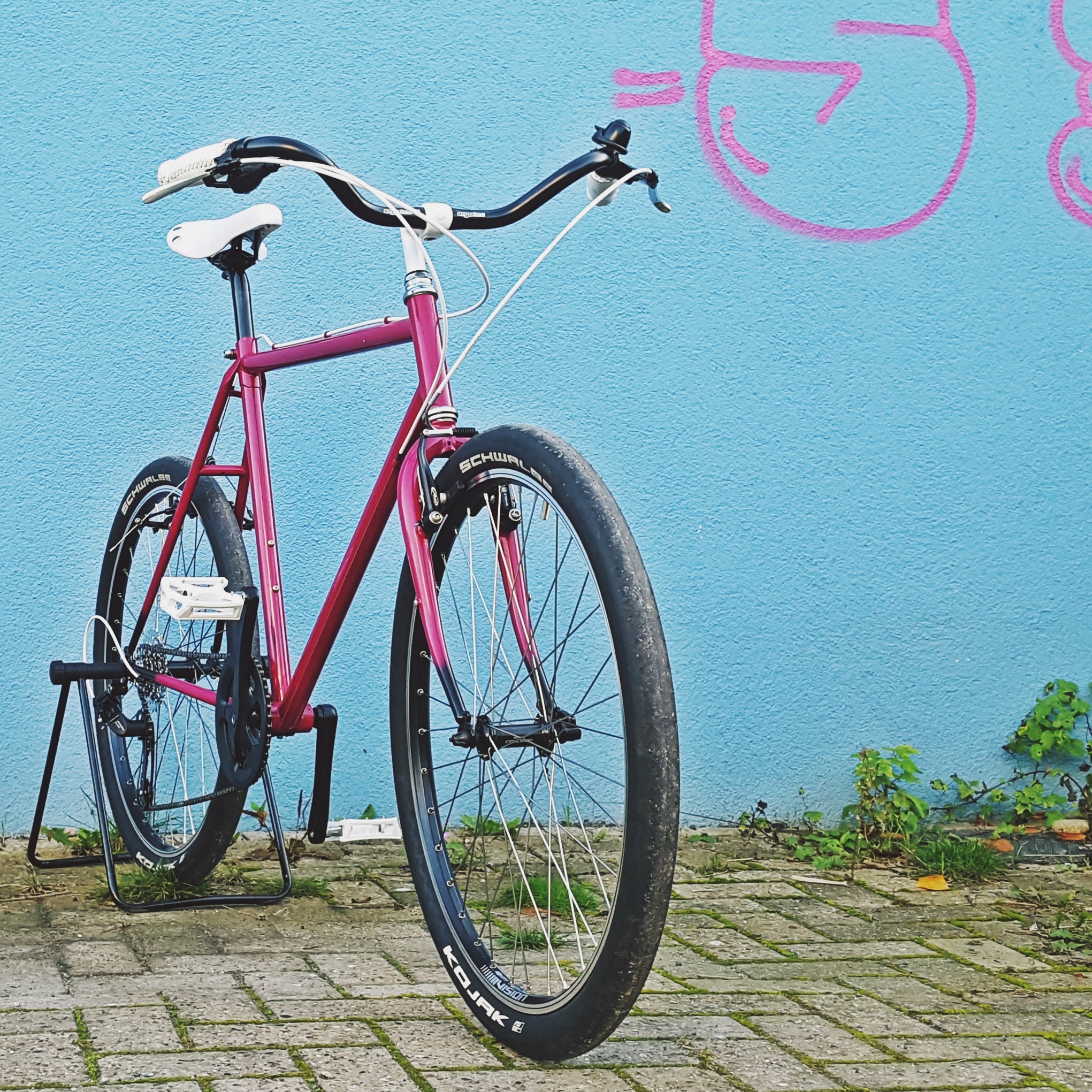
Keep on cruising in the free world
Der Todesstern
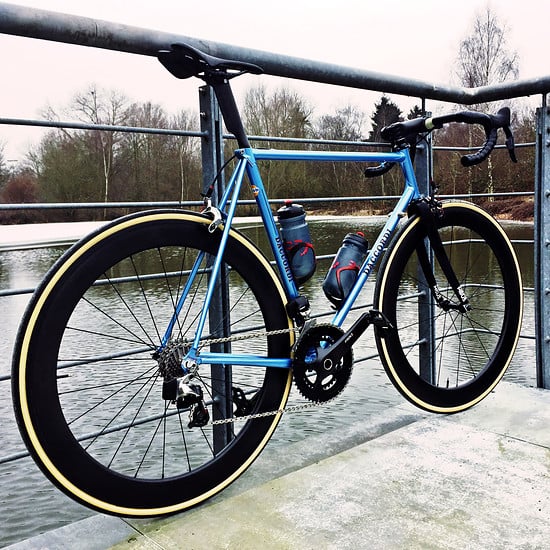
Daccordi Universum

Design follows function
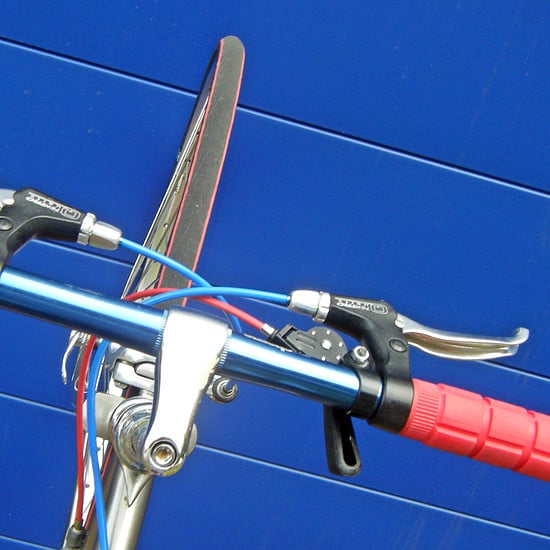
Blau Rot Silber

Arktis Blau
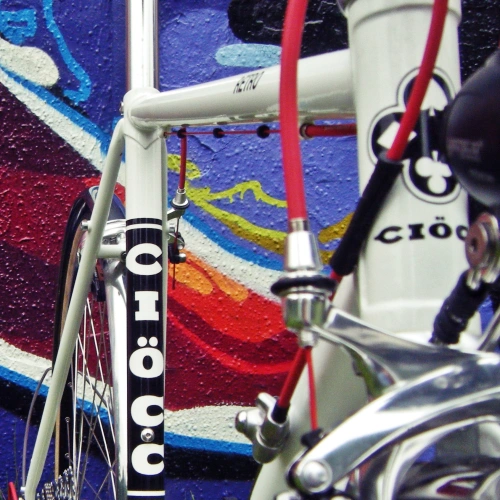
CIÖCC. Hannes.
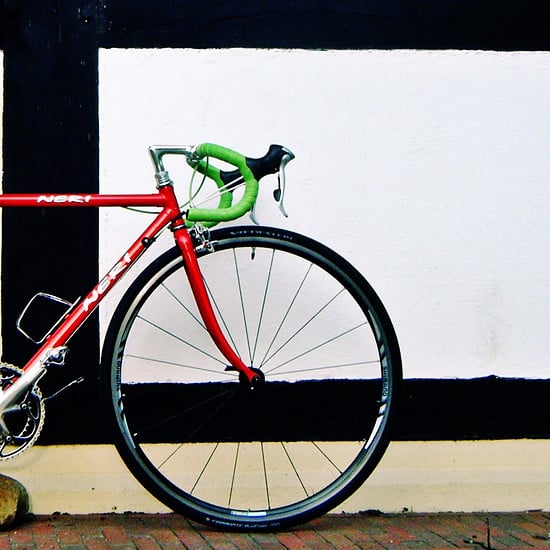
Drei Farben. Schwarz.

Beim Shopping.
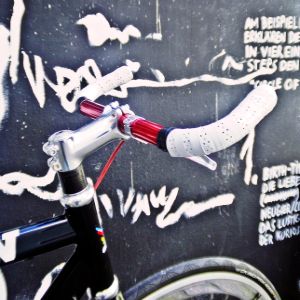
Schwarz Rot Weiß
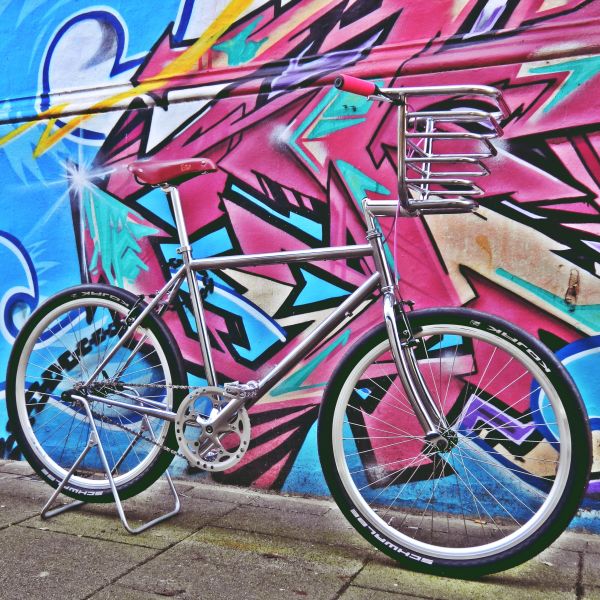
Shopping Blockade Runner
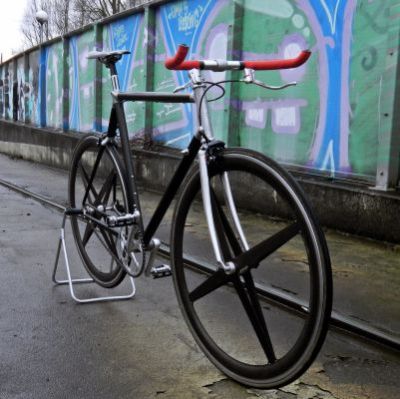
Entlackt
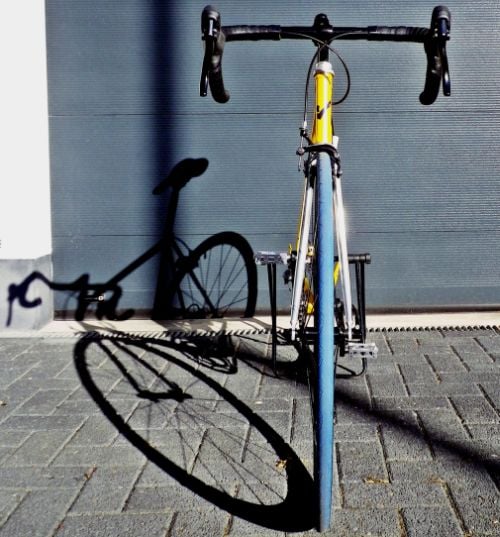
Viner Black Viper
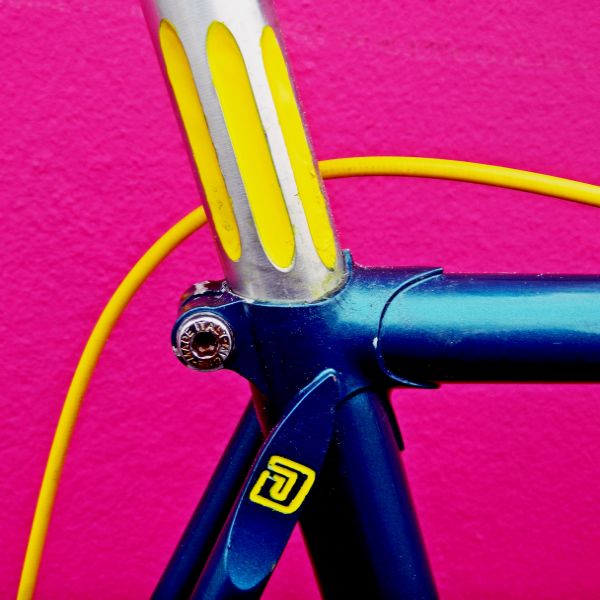
Gross und Gelb
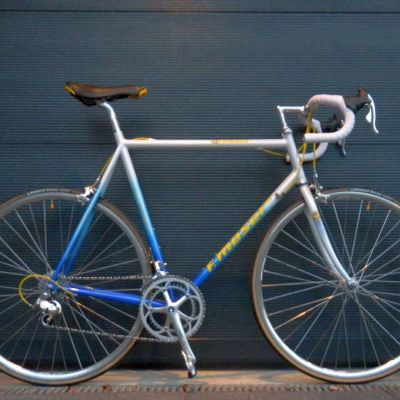
Oops.
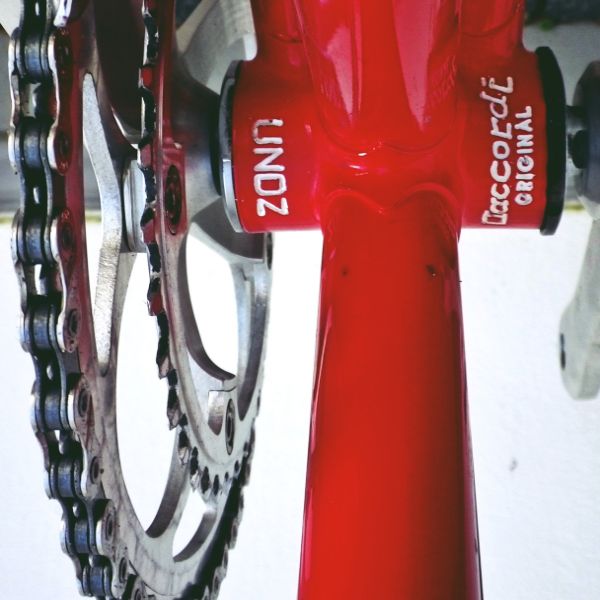
Zwischen Florenz und ....

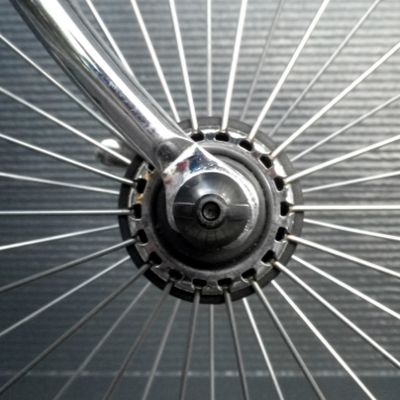
Dancelli O-nabe

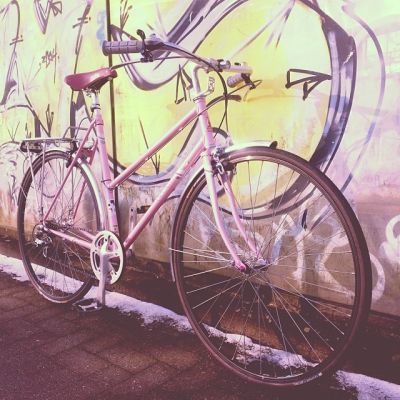
Prinzessinnentraum
Aus einer anderen Galaxie

Fixie Projekt
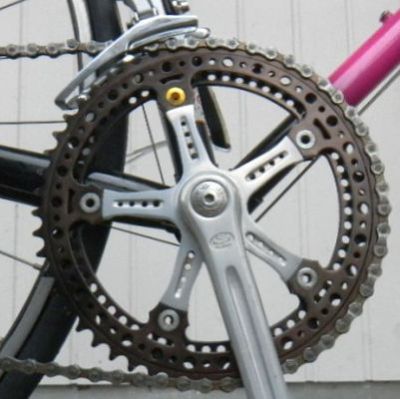
Concorde Twin

Lange Geschichte
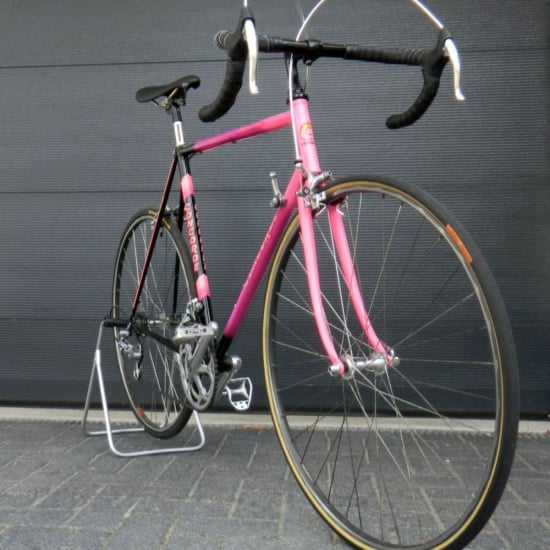
Classic Cyclone
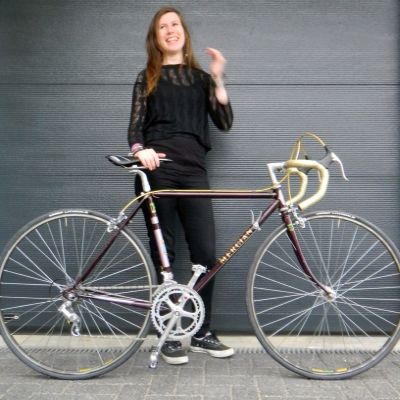
Für Manu
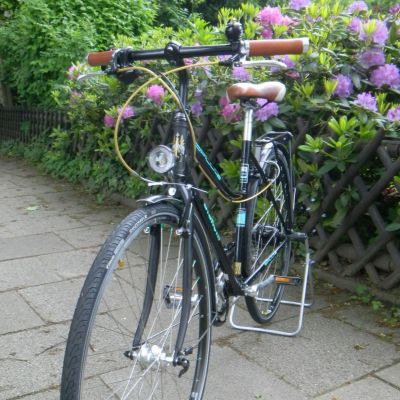
Für Midori
Deutschland !
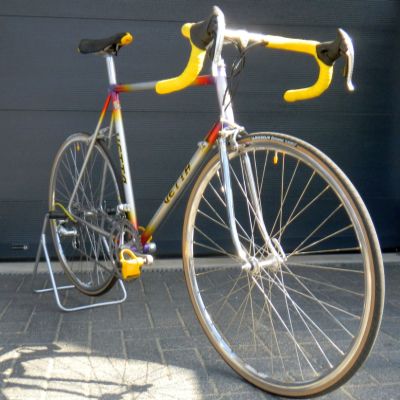
Grelle 80er Farben
Reus
Gold wert ?
Für Shozo
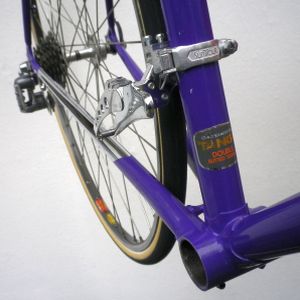
Neunziger eben
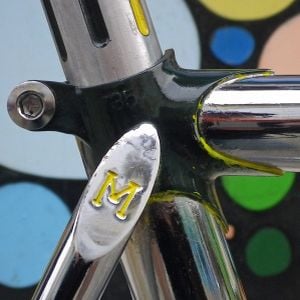
British Racing

Wait and See
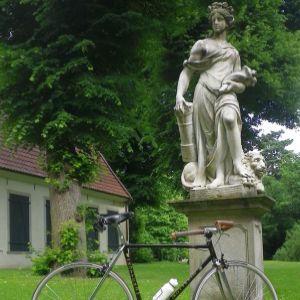
Kotter für Heike
Colnago Super XL 1988








 bikesnob28hb
 fixiefanboyhb
 sudi1662
 there is no "I" in cyclyng