Archiv der Kategorie: Mob

Shimano=Apple? Shimano=Microsoft?

via Velonews

Confirmed details of new Dura-Ace: Discs, power meter

  • By Dan Cavallari
  • Published Mar. 30, 2016

The best is getting better. The next generation of Shimano’s top-tier Dura-Ace group, already our favorite on the electronic and mechanical fronts, will include a power meter, road-specific disc brakes and rotors, improved Di2 integration, drag-free hubs, and the same clever shifting firmware debuted on the XTR Di2 mountain bike group.

We reached out to a Shimano representative, who refused to comment. But weeks of research, including conversations with industry insiders briefed on the group (who all requested anonymity), and analysis of published and unpublished spy photos, indicate that the group is an ambitious update that closes a few important holes in the current group. The most obvious of those is a Dura-Ace level disc system, which is both lighter and better tuned to the specific demands of road discs than the current technology, much of which is borrowed from Shimano’s mountain bike division.

New Dura-Ace will still be an 11-speed system and will retain the shiny aesthetics of the current generation (somewhat similar to the old XTR 960 finish). But most of the fine details, from hub internals to front derailleur cable routing, have been changed or updated. The Di2 version has been slimmed down, with smaller motors and batteries, and features firmware borrowed from XTR Di2.

Road-specific disc brakes

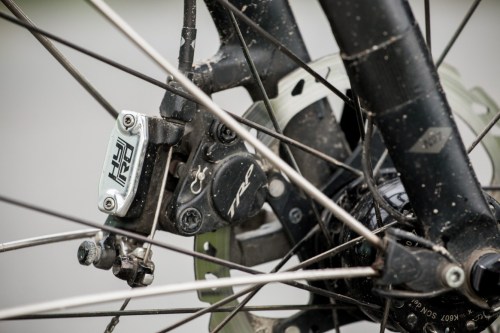
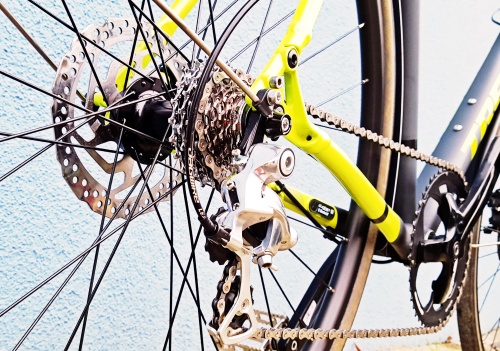
The addition of a Dura-Ace level hydraulic disc system is the single greatest change. This is the first hydro group from Shimano that appears to be designed from the ground up for road use. (R785, available now, was launched with a rebranded XT mountain bike caliper.) The rotors are road specific, with a new aluminum carrier that presumably cuts down on weight. The steel braking surface of the rotor has fewer holes, which has been shown to reduce brake pad wear.

Internally, the flat-mount caliper has some sort of internal brace for (we assume) improved stiffness and has more clearance for frame manufacturers. Other internal changes offer slightly more pad clearance, which should reduce rotor rub.

Power meter

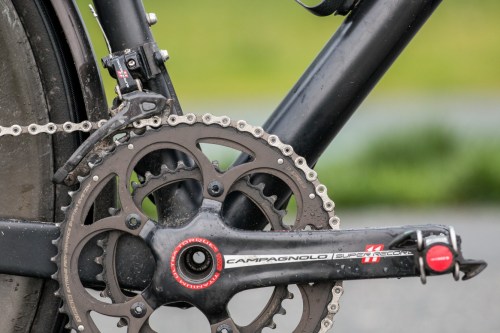
The new crankset, which retains the current four-arm design, includes a power meter with strain gauges on the crank arms and a “brain” mounted on the inside of the crank spider. It is Shimano’s first power meter.

Integrated junction box

Perhaps taking a cue from the Trek Madone’s control center — a port in the down tube that hides the Di2 junction box — Shimano has developed a sleek, integrated junction box that secures into the bike’s frame. That means no more hanging the junction box off the stem, and more options for internal routing. It also means frame builders will have to build frames that can accept this new feature.

But don’t worry if your favorite manufacturer doesn’t offer this nifty new pocket, because it also appears the junction box will fit in a bar end, as well. The box seems to press into the handlebars much like a bar end plug.

Customizable shifting

Updates to the Dura-Ace Di2 firmware also look imminent. It appears that Shimano will bring the Synchro system debuted on XTR Di2 to the road. Synchro is essentially automatic front shifting, requiring the use of only two shift buttons to shift the entire drivetrain. When the derailleur reaches a certain point (which is customizable) on the rear cassette, the front derailleur shifts, while the rear derailleur shifts in the opposite direction. The idea is a rider gets similar gear jumps with each button push. It’s a system that is made possible by Di2’s incredible front shifting. It’s similar but not identical to Campagnolo’s new auto-shifting options made possible through the My Campy app.

Front derailleur cable routing has been changed for the cable-actuated group, further reducing shift force. The system is apparently much easier to set up now, too.

Radical new hubs

Some of the most exciting advancements are hidden in places you’ll never see. Patent applications for Shimano’s Scylence hub leaked months ago, and now it seems like we’ll see it in action soon. Unlike a typical freehub body that relies on pawls that engage with grooves when the rider pedals, or a star ratchet system that features notched teeth on two rings mounted against each other, Scylence works more like the clutch on your car, but somewhat in reverse, if patent applications are telling the whole tale. An engagement ring is mounted around the axle inboard toward the hub shell, and it’s spring-loaded in such a way that the spring pulls the ring toward the hub shell. A specially designed freehub body with splines essentially pulls that ring toward it, against spring tension, to engage the hub when the rider pedals. When the rider coasts, the engagement ring disengages, creating nearly drag-free coasting.

It wouldn’t be the first pawl-free design to hit the market — Onyx showed off a sprag clutch hub at Sea Otter 2015 — but if history is any indicator, Shimano has taken the drag-free idea and perfected it.

via Bicycle Retailler

Staff Opinion: VeloNews, Shimano tangle over media control

Published April 4, 2016
by Marc Sani

LAGUNA HILLS, Calif. (BRAIN) — It’s been quite a clash pitting the industry’s most powerful company, Shimano, against what is arguably the best competitive cycling magazine and website in the U.S. market,VeloNews.

That clash stems from an article written several days ago by Dan Cavallari outlining what VeloNews readers could expect from Shimano’s newest upgrades for Dura-Ace. And those upgrades are substantial.

But for those of us in the media — whether consumer or trade — dealing with Shimano is a challenge.

Shimano’s most frequent comment to almost all questions or issues of substance is „no comment.“ Or it’s a carefully crafted statement generally devoid of substantive information that would directly address a question of substance.

And so when Cavallari asked Shimano to comment about his research on the changes in Dura-Ace, he was essentially told: „Do not publish that.“ Not surprisingly, it escalated from there.

The velvet glove came off when John Bradley, the magazine’s editor in chief, refused to block publication of the article on VeloNews‚ website. Shimano told Bradley that if he did not kill the article Shimano would kill its advertising schedule in all Competitor Group publications, which also includes Triathlete.

Before issuing its ultimatum, I am certain that Shimano’s public relations staff tried cajoling Bradley, telling him that a premature release of the information could harm the industry; that it could impede current sales of Dura-Ace equipped models; that portions of the article were inaccurate; and that it was an unethical violation by an editor who may have gotten his information from sources who had signed nondisclosure agreements.

To be fair, Shimano, as a publicly traded company, does have some legitimate concerns about how and when information should be made public. But this, in my opinion, isn’t one of them.

When I talked with Bradley, after he had endured a tedious overnight flight and multi-hour taxi ride to Ghent, Belgium, he didn’t know what the dollar impact of his decision could be, but it would be substantial. And he was worried about the magazine, his staff and his job.

This episode, of course, has gone viral, especially after Bradley posted a defense of his decision on his personal Facebook page. (Note to all: There is no such thing as a personal post to a personal Facebook page.)

And the social media reaction was predictable. Shimano, the industry’s 800-pound gorilla, was muscling Bradley in an attempt to censor a major publication over a legitimate effort at in-depth reporting on a popular and expensive group. And as far as I can tell, few have voiced much support for Shimano in this tug-of-war over editorial content, timing and who really runs a magazine.

After reaching out to Bradley, I picked up the phone and called Eric Doyne, founder of Dispatch, Shimano’s public relations agency, in hopes of getting a clear sense of the company’s thinking and philosophy when dealing with recalcitrant editors. No comment.

Shortly thereafter Dustin Brady, who handles marketing for Shimano, called. Doyne had suggested that Brady call me. Brady inquired whether I was going to write about this issue. Shimano, of course, was concerned. I said it depends, and asked him for comment on Shimano’s policies regarding what they perceive to be editorial malpractice. To be fair, Brady is in a no-win situation and you could hear the concern in his voice. Nonetheless, there was no comment.

So where does that leave us? The media landscape today is littered with websites, blogs and magazines craving readership, which translates into advertising dollars. Some might call Cavallari’s article nothing more than clever „clickbait“— a derogatory term generally associated with salacious editorial content that encourages the simple-minded to click on a link so that the website could boast higher numbers and hence seek higher ad rates. Clickbait this was not.

But more importantly, and the bicycle industry is no different than other industries; there is now an ongoing war over who controls content, what content is written, and when that content will be made public. We have the same issue at BRAIN. But over the past few years this notion of who controls the news has gotten out of hand.

In part, it’s a reflection of the tight times the media finds itself in as digital dimes replace analog dollars. That’s publisher speak for the shift from print to web where web advertising is generally much less expensive than print. Advertisers have the whip hand and more of them seek to use it and use it more often.

As for Shimano, they prefer to embargo data on a date certain so that it’s released across a broad spectrum of media. We understand. But they embargo almost everything. That practice has now become endemic throughout the industry.

An embargo does several things. It can make the recipient of that information feel like an insider, but at the same time it can tie an editor’s hands when covering a company. Still, the irony is that most of the time what’s embargoed is pretty small potatoes in the grand scheme of things. But for the company flack it’s a great way to puff themselves up and command allegiance from an editor.

In general, I am not a fan of embargoed news. Why? It puts a company in control of the editorial process and makes editors beholden to that company for information. We get too cozy with our advertisers. And then the media — without even knowing it — becomes complicit in their marketing program.

Bradley may well be the best-credentialed editor in the cycling media. He holds a graduate degree from Columbia. He spent six years in Japan working for the English-language daily Yomiuri-Shinbun. He speaks passable Japanese. He has been a senior editor at Wired and Outside magazines and has written for a host of major publications.

So for a company like Shimano to tell Bradley — with some 20-plus years of high-level editing chops — what he can or cannot publish borders on disrespect. It appears that Cavallari got his information from a variety of sources including the U.S. Patent Office. He approached the topic as a serious reporter looking for facts — no spy shots or cheap clickbait.

And despite what Shimano might say, Cavallari certainly committed no ethical offense. If, indeed, a product manager who had signed a nondiscloure agreement helped him with his article, that is Shimano’s problem. Reporters can ask anybody anything, but nobody is compelled to answer.

What Shimano truly needs to be concerned about is insider information that could move the market, influencing its stock price. A decision to open a new factory might rise to that level.

Cavallari’s article hardly qualifies. What it may do is prompt a few high-end, performance-oriented riders to wait out a season before upgrading to a new bike or group. But that concern would be hard to quantify.

Dealers, on the other hand, are often the last to know what Shimano or other companies are about to do to their inventory. Most dealers remember Shimano’s move to 11-speed and then the trickle-down of Di2 to Ultegra — both caught some by surprise. But again, it’s difficult to quantify what damage may have been done at retail.

But editors, like Bradley, know what kind of damage can be done to a publication’s reputation when editors roll over and become complicit in an advertiser’s latest marketing scheme. Or when they spike articles out of concern over advertising dollars. More importantly, it demoralizes those who work for the publication.

I would hope that Shimano would become more open in its communications with the media. And maybe there’s a lesson here for management to ponder. But the decision to slap VeloNews with a hefty fine did one thing — everyone who cares about cycling is aware of this kerfuffle and they all went to VeloNews to read about the new Dura-Ace.

 

Hinterlasse einen Kommentar

Eingeordnet unter 2016, Mob

Ein Samstag (wie er sein, wie er nicht sein sollte).

Das Wochenende besteht, wie das Leben aus angenehmen und weniger angenehmen Aufgaben und Dingen. Heute war Deutsch lernen mit der Tochter angesagt (unangenehm) und bei dieser Gelegenheit stellte ich fest, dass „argumentieren“ in Dortmund in der 8. Klasse, in Niedersachsen vermutlich in der 10. und in Bremen nie gelernt wird. Ich versuche das gerade meinen Studenten beizubringen, die mich dabei anschauen, als wenn ich sie zwingen würde sich mit vierdimensionalen Schnittflächen von Fünfdimensionalen Kegeln im Sechsdimensionalen Raum zu befassen.

„Wofür brauchen wir das?“ Na ja, vielleicht, weil das Argument „Können wir den Test von Montag auf Mittwoch verschieben, damit ich noch ein paar Tage länger mit meinen Freunden Segeln gehen kann?“ durchaus besser und vor allem erfolgreicher geführt werden könnte.

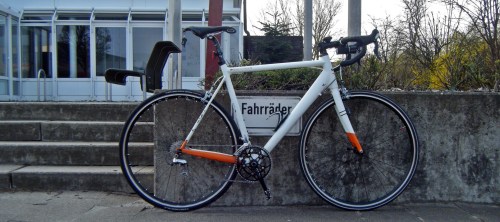
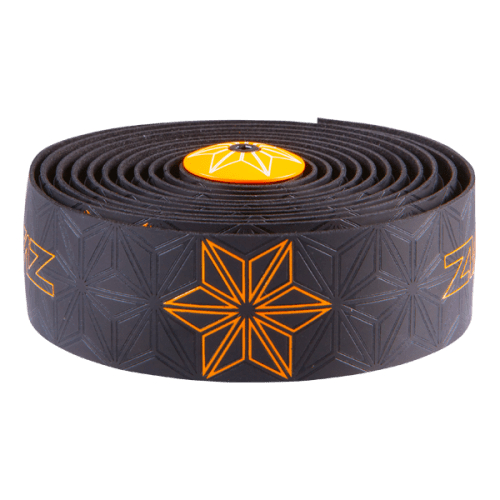
Zu den angenehmen Dingen gehörte, das heute mit der Post das allererste Teil für mein neues Carbonrennrad kam; das Canyon Positivo soll, wenn alles gut geht, diesen Sommer durch etwas neues abgelöst werden. Ich kann mich nicht entscheiden, welchen Rahmen ich haben will, noch ob es elektronisch oder mechanisch wird, SRAM etap oder Shimano 105, Felgen- oder Scheibenbremsen, aber eins weiß ich ganz sicher: Das Lenkerband wird schwarz.Und irgendwie muss orange auch dabei sein.

neon-orange-tape

Enter Sandman. Nein, Supacaz.

Supacaz ist das Lenkerband für Menschen, denen Lizzardskin und Raphaklamotten zu proletarisch sind. Menschen die so viel Geld wie Geschmack haben.

3076557816_UcG1pq2o_003-1

Tip: Es ist besser den Sattel tiefer zu stellen, als Schuhe mit hohen Absätzen zu tragen.

So,jetzt kann ich mir Gedanken über den Rest machen.

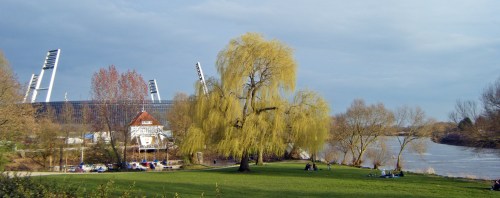
Nach dem Deutschlernen ging es mit dem immer noch sehr geliebten Canyon Positivo Richtung Süden, am Weserstadium vorbei (wo gerade das Unheil in Form von Augsburg seinen Lauf nahm) gegen den Wind.

DSCF2277

Da stand es noch 0:0.

Ohne einen Plan wohin- ich mag das sehr, einfach losfahren, schauen wo man noch nicht abgebogen ist und neue Strecken entdecken. Von Sudweyhe aus nahme ich einen Feldweg nach Okel und dann dachte ich mir, wo ich schon einmal hier bin, kann ich doch auch gleich weiter nach Bruchhausen-Vilsen fahren.

DSCF2279.JPG

Heute in Bruchhausen-Vilsen.

Ich schaute nach den Bundesligaergebnissen auf meinem sogenannten „Smartphone“ (ein Blackberry) und stellte erschüttert fest, das sowohl meine Heimat (Mönchengladbach), als auch mein Zuhause (Bremen) verloren hatte. So ein Mist.

Aber meine Tochter kann nun Deutsch, ich fühlte mich fit und habe ein Lenkerband. Der Sonntag kann kommen.

Hinterlasse einen Kommentar

Eingeordnet unter 2016, Mob

Superrecordchorusduraaceultegra105redforcerival.

tumblr_nf8z1fL6UR1qbw072o1_1280


Art’s cyclery (Motto: There is no „I“ in cyclery) ist ein Radladen aus Kalifornien der sehr gut produzierte und informative Videos auf Youtube stellt die Fragen beantworten.
Die letzte Frage war: Was ist die beste Kombination aus Qualität und Geld, wenn ich Komponenten aus verschiedenen Gruppen eines Herstellers miteinander kombiniere?


Mit anderen Worten, macht es Sinn nicht komplett Ultegra zu fahren, sondern zum Beispiel eine 105er Kette zu verwenden und Dura Ace Bremsen?

Über einen Zeitraum von etwa einem Jahr wurden in der youtube Serie „Ask a mechanic“ die aktuell akzeptierten mechanischen Gruppen der Marktführer Shimano (Dura Ace 9000 Ultegra 6800, 105 5800) SRAM (Red22, Force22, Rival22) und Campagnolo  untereiander neu kombiniert. Bei Shimano (Tiagra, Sora = Müll) und SRAM (Apex = Mist) ist klar welche Gruppen überhaupt in Frage kommen, obwohl der Unterschied zwischen 105 und Tiagra ja derzeit minimal ist. Aber bei Campagnolo? Welches sind hier die Top-Level, Mid-Level und Low-Level Gruppen die zur Wahl stehen? Damit hatte wohl auch Art zu kämpfen und schickte als Top Gruppe Super Record in den Vergleich und als Mid Gruppe Chorus. Eine Budgetgruppe trat gar nicht erst an.

Dies zeigt wie vertrackt das Marketings von Campagnolo ist. Nach meinem Verständnis wäre Record die Topgruppe und Superrecord eben die, na klar, Supertop Gruppe. Chorus wäre die Mid-gruppe (Alternative zu Ultegra, Force) und die Budget Gruppe? Athena? Potenza?  Und Veloce dann als Einsteigergruppe in Konkurrenz zu Tiagra, Sora und Apex? Entweder ist diese Strategie unheimlich clever, weil sich Campagnolo dadurch dem direkten Vergleich entzieht, oder unheimlich dämlich.

Beim Anschauen des Campagnolo Vergleichsvideos hatte ich dann auch sofort ein Verständnisproblem, als gesagt wird, dass alle Schalthebel technisch gleich sind. Klar, das stimmt, wenn man Super Record und Chorus miteinander vergleicht – leider aber gilt das nicht für Athena und Veloce, die kein Multishift (durch einen Schaltvorgang vom größten ins kleinste Ritzel schalten) können.

Wer keine Lust hat die drei Videos anzuschauen, kann sich die Ergebnis gleich in der Tabelle hier runter ansehen die ich zusammengestellt habe. Preise und Gewichte stammen von der Bike24 Website, teilweise auch aus dem Tour Magazin. Sie dienen dem Vergleich, mag sein das es das Zeug irgendwo anders auch billiger gibt.

SHIMSRAMCAMP

Das versteht sich so, sagen wir einmal für die Schalthebel, dass Art die Low Gruppe von Shimano empfiehlt (105), die Mid Gruppe von SRAM (Force) und die Mid Gruppe von Campagnolo (Chorus). Die wesentliche Aussage ist, wenig überraschend, am besten kauft man sich ohnehin die Mid-Gruppe (Ultegra, Force, Chorus) , aber hier und dort kann man etwas sparen oder sollte man investieren:

  • Das Schaltwerk ist nicht so wahnsinnig wichtig für die Schaltqualität, da kann man auch etwas billigeres nehmen. Aber:
  • Beim Umwerfer empfiehlt es sich eher den einer besseren Gruppe einzubauen.

Das ist etwas überraschend, denn auch wenn die Qualität des Schaltens am Umwerfer hängt, so wird dieser jedoch weitaus weniger für das Schalten benutzt. Ich kann mich gar nicht daran erinnern, wann ich in Bremen zum letzten Mal auf dem kleinen Kettenblatt gefahren bin – aber das mag in den Alpen anders sein.

Generell wird empfohlen, diejenigen  Komponenten eine Stufe besser zu kaufen, die ohnehin vergleichsweise nicht teuer sind: Durch den Kauf einer besseren Kette gebe ich nicht viel mehr Geld aus, erreiche aber eine bessere Schaltqualität; durch den Kauf einer besseren Kurbel erreiche ich nur ein wenig mehr Qualität, ein wenig weniger Gewicht, gebe aber sehr viel mehr Geld aus. Daher ist die Empfehlungen  „billige“ Komponenten wie Kette und Umwerfer  eher aus besseren Gruppen zu kaufen.

Wie immer gibt es eine Ausnahme, und die heisst hier 130€ mehr für eine RED Kurbel bei SRAM zu investieren und nicht bei Force zu bleiben.


Zum Schluss noch einmal die Frage: Kann ich wirklich Geld sparen wenn ich einzelne Komponenten ersetze? Denn ich kann ja dann nicht die Gruppe zum Gruppenpreis kaufen, sondern muss jede Komponente einzeln kaufen, was in der Addition nerst einmal teurer wird als die Gruppe.

Die komplette Ultegra Gruppe gibt es für €599; würde ich die Komponenten alle einzeln kaufen, so müsste ich €633 auf den Tisch legen. Werden nun Schalthebel und Schaltwerk durch 105er Komponenten ersetzt, bringt das eine Ersparnis von €77 (gerechnet auf die €633), oder €33 auf den Gruppenpreis. Das macht wenig Sinn.

Die komplette SRAM Force Gruppe kostet bei Bike24  789 €, kaufe ich hingegen alle Force Komponenten einzeln kostet das 797 €. Und ersetze ich nun wie vorgeschlagen Schaltwerk und Bremsen mit Force Komponenten dann kann ich €100 sparen. Das passt also. Die €100 könnte ich wiederum investieren, um die RED Kurbel zu finanzieren.

Das piece de la resistance

Bei Campagnolo schlägt die Chorusgruppe mit € 1.089 zu Buche; kauft man alle Gruppenteile einzeln so würde man bei € 1.122 landen also nicht wesentlich mehr. Wird nun wie vorgeschlagen der Umwerfer und die Kette auf Record up-gegradet (eine Super-Record Kette gibt es nicht), so gibt man auch nur € 59 mehr aus. Das könnte also durchaus ein sinnvolles Upgrade sein.

Ah. Das geht auch mit einer Shimano Gruppe.

Geht ästhetisch gar nicht.

Meine Meinung dazu: Shimano 105er Gruppe kaufen bis auf Kurbel und Bremsen. Dei Shimano Kurbeln gehen einfach überhaupt nicht aus ästhetischen Gründen, da muss etwas anders dran (z.B. eine Camapgnolo Athena Ultratorque). Und bei den Bremsen finde ich Campagnolo einfach am besten zu handhaben, sogar Veloce. Aber nur bis Modelljahr 2015, nun sind sie recht häßlich geworden. Ja ich weiß, man kann die nicht öffnen, da macht aber nicht wirklich etwas. Dann hat man für wenig Geld eine technisch astreine und gut aussehende Gruppe am Rad. So wie hier unten.

Campagnolo Veloce Bremsen Jahrgang 2015 – astrein. (Tip: Man radiere das Logo weg und baue die Bremse so zu einer Campagnolo Super-Veloce um).


Campagnolo Veloce Modelljahr 2016 – geht wieder gar nicht.

DSCF2203

3 Rensho: Shimano 105 5800 mit Campa Upgrades


bumper-sticker-peace


5 Kommentare

Eingeordnet unter 2016, Mob

Donnerstag. Freitag. Samstag. Sonntag.

Samstag.

Ich wollte ja eigentlich nicht mehr Radfahren und hatte mir bereits einen schicken Motorroller zugelegt. Leider war der nun erst einmal in der Werkstatt und wurde zu einem Fixieroller umgebaut: Bremsen weg, Getriebe weg und Spielkarten auf die Felgen geklebt.

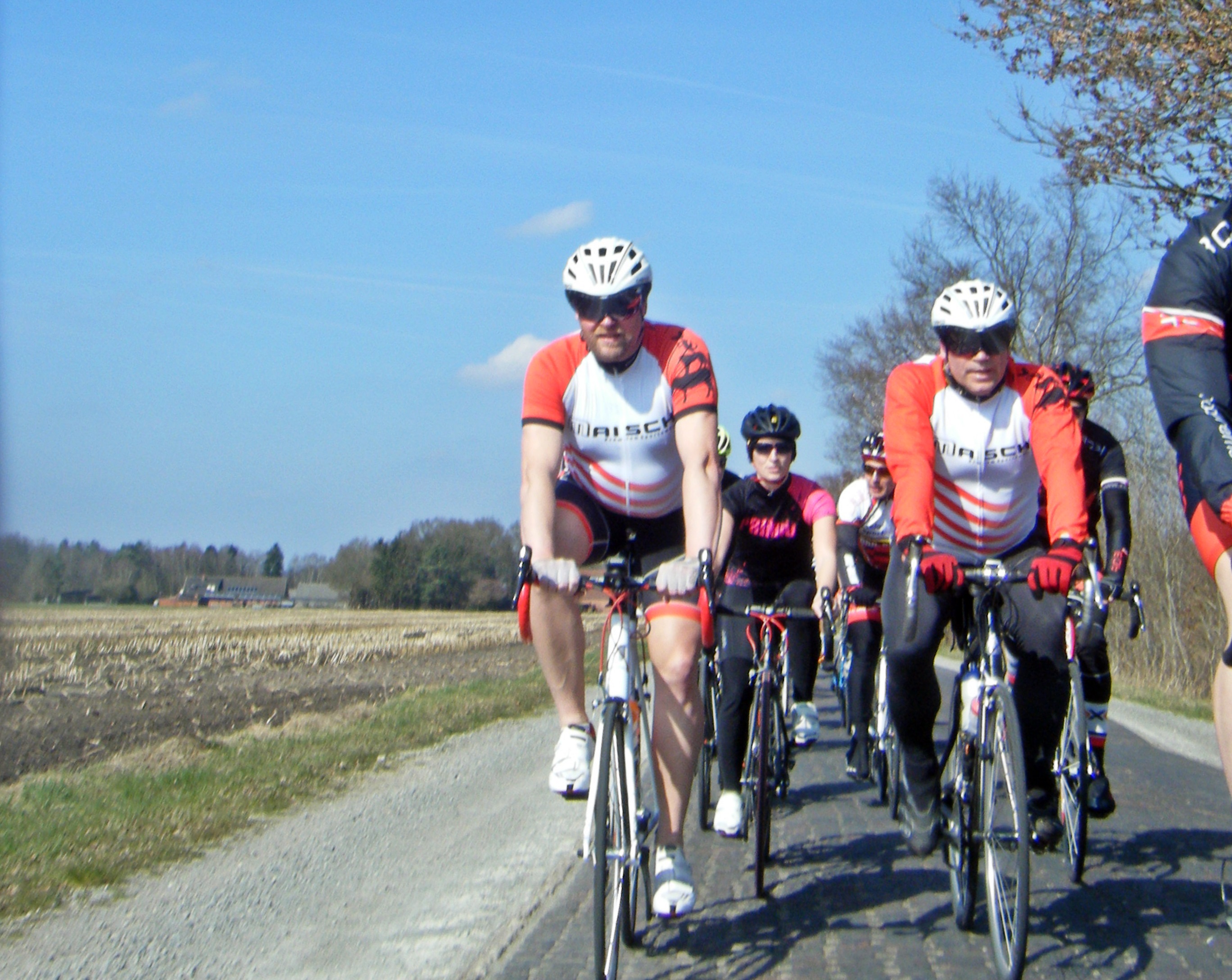
Und zudem hatte ich noch keine neuen Rollerfreunde, also entschloss ich mich schwerzen Herzens am Samstag mal wieder Rad zu fahren mit der BBC Runde. Das war doch eigentlich ganz nett, die Strecke war sehr gut ausgewählt und führte mehrheitlich über Straßen die ich bislang wenig oder noch gar nicht gefahren war, das Tempo war sehr moderat, so dass ich ziemlich viel gequatscht habe, mit Freunden, aber auch mit neuen Mitfahrern. Ich schätze so Gelegenheiten ja sehr. Benjamin zog ab und zu Sprints an und so konnte ich mich an der einen oder anderen Stelle gut verausgaben. Leider fehlt heute die Zeit viel darüber zu schreiben, deshalb nur ein paar Bilder und ein paar kurze Beschreibungen.

DSCF2250

Irgendwo, irgendwann mit irgendwem (aber nicht Erdogan).

DSCF2256

Erzwungene Pause, da wir zu fünft vorne weggesprintet waren.

Die Pausen bei dieser Tour waren etwas sporadisch unerklärbar. Nach ca. 45 km machten wir mitten im nirgendwo die erste Pause, es gab kein Eis, keinen Kuchen – nichts. Die zweite war dann erzwungen. Es gab aber auch nichts.

DSCF2258

Hier starten Benjamin, Bo und ich gleich zu unserem Ortsausgangssprint: Härtester Gang rein und stehender Start. Definitiv unter 30 km/h.

DSCF2260

BBC Granden.

DSCF2263

Die zweite Pause: Vor dem Nagelstudio von Tim in Adolfsdorf.

Sprintvideo von Bo. Strava der Strecke von Benjamin

Sonntag

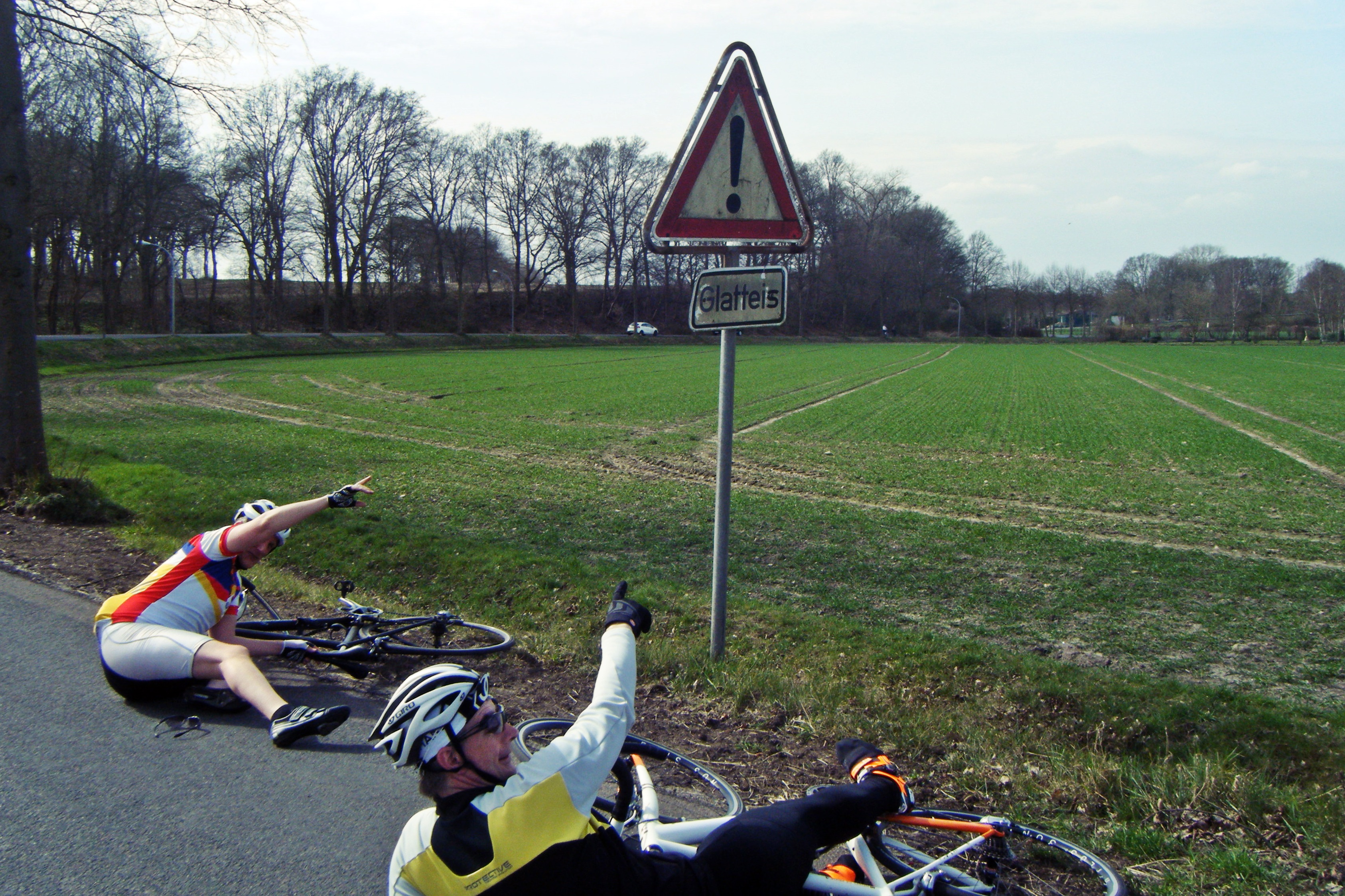
Musste heute dummerweise arbeiten, denn ich war offensichtlich in der Woche vorher zu faul: Na gut da fehlte ja auch der Montag. Um 13:30 Uhr traf ich mich im Hannes, es war bitterkalt. Sibirische Winde fegten durch die Fischerhuder Steppe und wir hatten Mühe alle unsere Glieder warm zu halten. Ab und zu überholten wir ein Räumfahrzeug der Sagehorner Verkehrsbetriebe und überall waren bereits Warnschilder aufgestellt.

Ich sag‘ noch zu Hannes: „Mensch pass auf, hier ist ’ne Glatteiswarnung!„, aber da war es schon zu spät, unkontrolliert rutschten wir beide weg und kamen auf der Strasse zu liegen. Zum Glück war nichts passiert. Bis wir ein paar Passanten fragen konnten ein Photo zu machen hatte es bereits wieder angefangen zu tauen.

DSCF2267

Scheisswetter heute!

DSCF2266

Free Tibet of Glatteis now!

Hannes zupfte sich sein Free Tibet zurecht, ich setzte meine Coco Chanel Mütze wieder fesch auf und weiter ging es. Ohne schöne Unterbrechung der etwas monotonen Arbeit- mein Dank an Hannes.

Insgesamt an vier Tagen ca. 270 km – der Dynamo läuft wieder.

Ein Kommentar

Eingeordnet unter 2016, Bremen, Hannes, Mob, Touren

Das war’s.

Die Weser, bei Sagehorn

Heute um 16:00 Uhr war die gemütliche ex-BOC jetzt BBC Runde angesagt, draußen frühlingte es und in meinem Kopf schwirrte dazu das passende japanische Lied dazu. Und dann noch eins. Ich freute mich auf eine nette, gemütliche Runde mit vielen bekannten Gesichtern. 

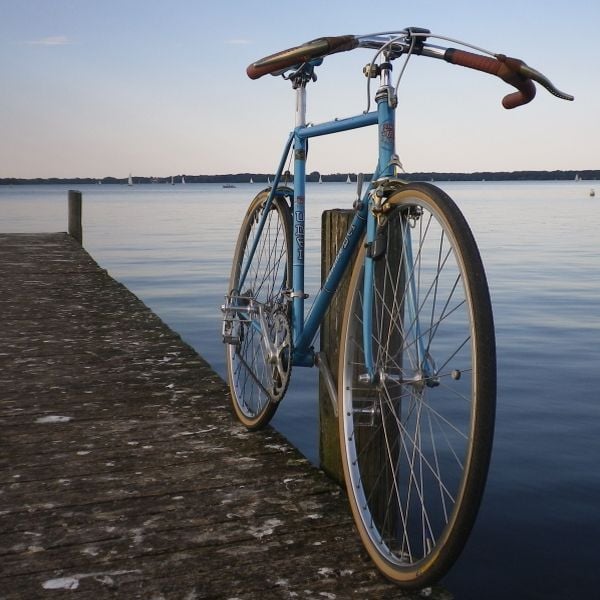
Es ging auch schön gemütlich los und beim fahren quatschte ich mit Andreas, Bo und Schnippo. Wir fuhren die Wilstedt Runde, nicht dass ich die gerade erst gestern gefahren war, aber bitte. Im Wilstedt gab es einen Ortsschildsprint und ich konnte trotz Materialnachteil mit dem alten Basso recht gut mithalten. Dann wurde es etwas schneller auf dem Rückweg nach Fischerhude, da wir ja mit dem Wind fuhren.

Mit uns fuhr ein schweigsamerer, älterer Herr (will sagen in meinem Alter)  ebenfalls auf einem Stahlrad und das hatte – und ich schwöre, ich habe das noch nie gesehen – tatsächlich Campagnolo Delta Bremsen montiert.

Also will sagen, Campagnolo Delta Bremsen habe ich schon oft gesehen, aber dass diese tatsächlich benutzt werden, das mit ihnen gefahren wird, noch nie. Das ist sehr ungewöhnlich, denn der Legende zufolge bremsen diese Bremsen nicht besonders gut. Wer sie hat, stellt sie zuhause in die Vitrine und zeigt sie seinen Freunden, anstatt sich damit das Leben zu nehmen.

Ich würde sagen Campagnolo Delta Bremsen sind wie Kondome, man besitzt sie, aber in Benutzung sieht man sie nie.

Der ältere Herr war jedenfalls sehr schnell, was vermutlich daran lag, dass er nicht bremsen konnte. Weil der Campagnolo Delta Bremsen montiert hatte. Mit Kondomen wäre es vermutlich noch schnelle gewesen, aber das steht ja hier nicht zur Debatte.

Ich hatte vermutet, dass wir klassisch über Fischerhude zurück fahren würden, aber wir blieben auf der Strasse Richtung Oyten und Achim und machten uns dann auf den Weg Richtung Hodenberger Deich. Das Tempo wurde jetzt echt schnell und nach einiger Zeit waren wir auch nur noch zu zehnt. Andreas und ich mussten auch einmal nach vorne. Ich hatte mit Andreas abgesprochen, dass wir, wenn wir vorne sind, direkt abbremsen auf 30, dann kurz beschleunigen und anzeigen, dass wir wechseln wollen. Andreas zog das Tempo aber erst einmal an. Dann wurde er das Opfer seiner eigenen Tatktik und konnte am einzigen „Berg“ nicht mehr mithalten.

Der Rest war dann auch ziemlich brutal schnell. Das war alles Adrenalin und Strava KOM getrieben und machte überhaupt keinen Spaß mehr. Zumal ich meinen GPS Tracker zuhause vergessen hatte und von dem ganzen Gebolze ohnehin nicht durch Ruhm und Ehre profitieren konnte.

In Borgfeld hatte ich dann keine Lust mehr und seilte mich schnell ab Richtung Heimat. Ehrlich gesagt macht mir Radfahren auch nicht mehr so viel Spaß. Ich habe nicht gewusst oder geahnt wie anstrengend das sein kann. Und dieses ständige anstrengen und dieses ständige Leistung bringen das habe ich ja schon im Beruf und brauche das nicht in meiner Freizeit. Und dann muss man auch konsequent sein und deshalb habe ich heute beschlossen mit diesen ganzen Radfahrunsinn aufzuhören. Jawohl, Strich drunter und Schluß. Ich mache jetzt etwas weniger anstrengendes, und das ist Motorrad- bzw. Rollerfahren. Ist auch auf zwei Rädern und in der Natur und man kommt weiter raus und frischer zurück. Was passendes habe ich auch schon gefunden.

cats

Was ich aber auf jeden Fall weiter machen möchte ist schreiben und bloggen. Ich werde weiterhin über meine Abenteuer auf zwei Rädern berichten, aber nicht mehr auf diesem Blog sondern auf einem neuen Blog namens:

There is no „I“ in Bykerydyng

Viel Spaß dabei, die neue URL veröffentliche ich morgen.

2 Kommentare

Eingeordnet unter 2016, Bremen, Mob, Touren

Shimanami Kaido.

Ist die Verbindung von der japanischen Hauptinsel Honshu über viele Brücken und kleinere Inseln des Inlandmeeres in die japanische Provinz in Shikoku, einer weiteren großen Insel. Eine der wenigen Routen in Japan, die über mehr als hundert Kilometer komplett für Fahrräder ausbaut ist und wirklich alles bietet – bis auf Berge.

map_shimanami4

Letztens hatte ich mich mit einem Leser des Blogs kurz über die Shimanami Kaido ausgetauscht, er war während eines Japanbesuches auch dort gefahren. 2006 hatte ich die Gelegenheit mit zwei Freunden und zwei Kindern in zwei Tagen die Strecke abzufahren, das war ein wirklich tolles Erlebnis.

MINOLTA DIGITAL CAMERA

2006 auf der Shimanami Kaido (non-competitive)

Einige Informationen dazu gibt es zum Beispiel in Englisch auf Japan Guide oder hier. Der Reiz Japans liegt ja gerade darin, dass man unbedingt diese riesigen Städte mit dem Gewusel an Mensch und der Masse an Architektur sehen sollte, aber andererseits auch die Naturschönheit außerhalb der Städte erleben sollte, dafür ist die Shimanami Kaido eine gute Möglichkeit.

Cycling Tips hat bereits vor längerer Zeit einen sehr guten und langen Artikel mit vielen Bildern über die Shimanami Kaido geschrieben:

Cycling Shimanami: exploring Japan’s Inland Sea by bike

Last week CyclingTips editor Matt de Neef and Melbourne-based photographer Aaron Upson travelled to Japan’s Hiroshima Prefecture to take part in the Cycling Shimanami recreational challenge ride. But thanks to a week of famous Japanese hospitality, the trip became about far more than a single, 65km ride.

As we rode through yet another sleepy fishing village en route to our final stop of the day I had to remind myself to look around and take it all in. Pretty soon we’d be packing our bikes up for the final time, and we’d be on a plane back home to Australia. It was important to savour the moment.

We’d spent the past five days riding around and between the many interconnected islands of Japan’s Seto Inland Sea, south-east of Hiroshima. The trip had revolved around Cycling Shimanami, a mass participation event held largely on the Shimanami Kaido, an often-breathtaking expressway featuring mighty suspension bridges and frequent ocean views.

But both Aaron and I would take so much more from the trip than that one single ride. After all, how often do you get to go on an all-expenses-paid trip to Japan, to ride your bike for ‘work’?!

DSC00995

It all came about after CyclingTips founder Wade Wallace and a couple of his mates visited the Hiroshima Prefecture earlier this year and published a Roadtripping article about the experience. The local tourism board loved the piece and invited CyclingTips back to take part in and write about the region’s flagship cycling event: Cycling Shimanami.
At this point it’s worth offering full disclosure: our flights, accommodation, transfers and meals were all covered by the local tourism organisations, and CyclingTips was paid to be there. That said, there’s been exactly zero pressure from our hosts or anyone else to tell the story they want us to — we’ve only been asked to write honestly about our experience and that’s what we’ve done here.
DSC01332-2

From the moment Aaron and I landed in Japan it was clear we were going to be looked after very well. Our hosts were waiting for us at Tokyo’s Haneda airport and would help us check in to and accompany us on our domestic flight through to Hiroshima. We’d heard about the famous Japanese hospitality (or“omotenashi”) and now both Aaron and I were getting to experience it first-hand.

In Hiroshima we met the rest of our international media tour group comprising eight other journalists — two from the USA, two from South Korea and four from Taiwan — a tour coordinator, three translators — one each for English, Mandarin and Korean — a bus driver, a truck driver (to move our bikes around) and a cycling tour guide.

Our international media group doing some stretches pre-ride. Our cycling guide, Yo, can be seen in the background in the Garmin kit. Not sure I quite had this stretch worked out.

Our days were tightly scripted — our guides stuck to the detailed itinerary with ruthless efficiency, and we were moved around quickly between activities. On the days that we rode (with the exception of the main event itself, Cycling Shimanami) we covered an average of 35km. The rides were leisurely, allowing us to look around, soak it all in and take plenty of photos. So many photos.

On average we spent perhaps six hours a day in lycra despite the short distances covered, and we often felt self-conscious as we wandered through Shinto temples and towel factories, our sweaty lycra clinging to us. But it was almost always worth it — these diversions from the riding gave us a chance to learn about Japanese and culture in a way that we wouldn’t have if we’d been on our bikes all day.

Getting a guided tour of the ancient town of Mitarai ... in lycra.

The rides we did saw us hop from island to island in Japan’s Inland Sea, following, more or less, the Shimanami Kaido. This 60km expressway links two of Japan’s four main islands — Honshu and Shikoku — crossing many smaller islands along the way. Alongside the expressway runs a network of bike tracks and local roads which, thanks to a seemingly omnipresent blue strip designating the cycleway, allows cyclists to navigate the islands with ease.

Riding through the towns and villages of the Inland Sea — in consistently immaculate weather I might add — we were struck by the number of cyclists out and about. There was the occasional roadie out on a training ride, but the vast majority of cyclists we saw were elderly men and women on town bikes, simply using their bikes to get around. It seems that when you have people of all ages and genders (not just middle-aged men) on bikes, there’s a noticeable impact on the way cyclists are treated — every driver that passed us gave more than enough room, and no-one seemed to get impatient.

CC9Q4167

After a few days of island-hopping with our media tour group, it was time on Sunday to line up for the main event. A smaller, pilot version of Cycling Shimanami had been held in driving rain the year before, but this year — 15 years after the full length Shimanami Kaido first opened — some 6,000 cyclists made the most of a rare opportunity to ride on the expressway.

Like any mass participation ride there were a number of ride options — from a simple 15km through to a full 110km up-and-back along the expressway. Our media group — comprising cyclists of all abilities — was signed up for the 65km ride which took us north-east from Imabari on the island of Shikoku through to Onomichi, on Honshu.

The defining feature of Cycling Shimanami (and indeed of the expressway) is the impressive suspension bridges that span the vast stretches of sea between islands. In all we traversed seven of these towering structures in our 65km ride, the longest — the Kurushima-Kaikyo Bridge — being some 4km long, comprising three long spans back-to-back.

DSC01193

The first two-thirds of the event saw us stick to the Shimanami Expressway, crossing the monstrous bridges and skirting the thickly forested hills of the Inland Sea islands. Every so often we’d pop out of the wilderness and get an elevated view of a small town or city, the raised freeway affording us an impressive vantage point.

We descended off the expressway after 43km and joined the Shimanami Cycleway on the local roads of Innoshima Island. And with that, the scenery changed. No longer were we looking out over the islands and hills from on high; we were now riding through small fishing villages and other small settlements as we made our way north-east in the final third of the ride.

DSC01436

In the expressway section of the ride I’d been struck by the sheer number of event staff lining the course — an orange-glad volunteer stood by the roadside literally every couple hundred metres, many of them with a bike pump or other means of rider support. At every overpass local residents looked down on us from above, clapping and offering their words of encouragement.

And when we left the expressway the number of supporters only grew. From frail old women peering cautiously from their front doors, to young children jumping and cheering by the roadside with their parents, we never went more than a minute or two without hearing what I assume were words of encouragement, or without having people bow to us with a smile on their face.

DSC01435

In the final section of the ride we ventured briefly away from the local roads to segregated bike paths, some of which we’d visited in the days before. These sections of path link the coastal roads with the bike lanes on the nearby suspension bridges by way of short climbs.

Before too long we were back on the flatter roads and continuing along the coast, ticking off the final kilometres into Onomichi where our day came to an end. A large crowd cheered us as we rolled across the line and a local TV crew bundled us up for an interview.

Untitled-30

In all Aaron and I spent six days in Japan and Cycling Shimanami, while being the focus of the trip, was actually only a small part. In four days of cycling we covered roughly 185km on and around the Shimanami Cycleway, but as with any cycling trip, the off-the-bike moments were often as memorable as the riding. There were many highlights …

The first night we got to stay at the impressive Onomichi U2 Hotel Cycle, an old warehouse that was refurbished especially for cyclists, with a hotel, cafe, restaurant, bike shop and more. Best of all it’s located right at the start of the Shimanami Cycleway.

U2

We got the chance to visit a handful of Shinto shrines and learned the proper way to ‘cleanse’ one’s self upon entry. We stumbled our way through what felt like a minefield of Japanese social customs and etiquette, particular when staying at a traditional Japanese hotel on the second night (nude bathing in theonsen, anyone?). We watched as a woman made delicious okonomiyaki (a sort-of pancake with noodles and cabbage, among other things) right in front of us in a hole-in-the-wall restaurant, the same way she had done for 50 years.

We learned that there’s an elegant way of using chopsticks (in stark contrast to the way I was doing it), we got to watch some cutesy J-Pop at the Cycling Shimanami pre-event expo, and we learned that you can never have enough business cards when you’re meeting people in Japan (hold the card with two hands when you present the card, and be sure to bow).

We also fumbled our way through countless conversation with people who didn’t speak English, not least at a sake bar where we were the only Westerners to be seen. But we always found a way to make it work — in this case “Sake?” was all it took.

Don’t get me wrong; getting the chance to ride the islands and bridges of the Seto Inland Sea was a real privilege, and an experience I won’t quickly forget. But I’ll also treasure the memories I made away from the bike.

Hiroshima-style okonomiyaki prepared right in front of you. Delicious.

In the final days of the trip Aaron and I had the opportunity to swap the gentle, quiet pace of life of the fishing towns we’d ridden through, for the hustle and bustle of Hiroshima and, very briefly, Tokyo. Hiroshima is a truly beautiful city, thanks in no small part to the rivers that thread through the city and the well-kept parks dotted around the place.

A visit to the Hiroshima Peace Memorial Park provided a confronting but valuable reminder of theatrocities the city faced in 1945. The city still bears the scars of the world’s first atomic bomb attack, but it does so with an inspiring optimism for the future.

Our time in Tokyo was little more than a fleeting visit between flights, but we did get to see Shibuya Crossing, Tokyo’s answer to New York City’s Times Square, made famous by films like Lost in Translation. The sheer number of pedestrians crossing the street at one time was a sight to behold, and well worth braving the crowded Tokyo train system for.

Untitled-16

In my time at CyclingTips I’ve been blessed with some amazing travel opportunities — Hong Kong, Italy,France and Azerbaijan — and I’m grateful to have a job that allows me the opportunity to see the world while ‘working’. I never want to take these opportunities for granted.

I thoroughly enjoyed my time in Japan and was blown away by the hospitality of our hosts and by the Japanese people as a whole. I very much hope to return soon, hopefully with another opportunity to explore by bike. Thanks for reading.

A SELECTION OF PHOTOS

Hinterlasse einen Kommentar

Eingeordnet unter 2016, Japan, Mob

Delta Tapete. Und andere Nichtigkeiten.

Delta Tapete

deltas

via VeloVintage Designs

Costante Girardengo

680px-Costante_Girardengo

siehe zum Beispiel hier. Sozusagen der Ur-Merckx. Btw: Ohren, Pulli, protziger Ring an der linken Hand, Haare auf den Beinen – alles nicht aerodynamisch. Fehlt nur noch ein Bart. Und es geht doch alles.

Toll komponiertes Photo.

 Association of Professional Bicycle Mechanics

10320534_10209070320418610_3490771330330228926_n

Ist eine facebook Gruppe in die ich mich, ehrlich gesagt, hereingeschlichen habe.Immer rein, so lange es irgendwie geht.  Extrem interessant. Jetzt weiß ich was der Unterschied zwischer einer „Shop Wrench“ (der Profi-Mechaniker) und einer „Shop Rat“ (der Aushilfstyp) ist. Und eine Shop Wrench verdient etwa $15 pro Stunde, eine Shop Rat etwa €8. Wirklich interessant, das nicht aus der technischen, sondern aus er wirtschaftlichen Perspektive zu sehen. Eine andere gute Informationsquelle ist „Bicycle Retailer and Industry News„.

Ich hoffe die facebook Gruppe findet nicht so schnell heraus, dass ich Akademiker bin und mehr als $15 pro Stunde nehme.


Hinterlasse einen Kommentar

Eingeordnet unter 2016, Mob

Gierige Räder am Montag.

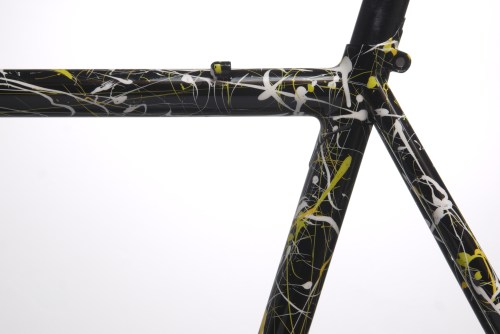
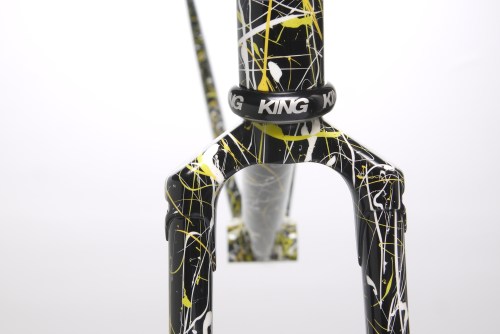
Jackson Pollock

via the Radavist

Ich bin ein großer Fan des Designs von MTBs aus den Neunzigern: die wirren Farbspritzer, die Experimente in der Rahmenform, die Tatsache, dass viele große italienische Namen sich daran beteiligten und alle scheiterten: Colnago, Wilier, Moser, Vicini, Basso.

davies-bonavia-3

davies-bonavia-1

Meine Tochter fährt auch so etwas ähnliches von Vicini.

1405 Finished Vicini 14

Jaegher Interceptor

via Cycling Tips

2N4A59502N4A59672N4A59742N4A60062N4A60132N4A6017

Darrel’s Foundry Super Record Commuter

via The Radavist

Ich dachte bislang, der grundsätzliche Unterschied zwischen einem „Commuter Bike“ und einem „Race Bike2 sind nicht nur Schutzbleche, Nabendynamo und Licht, sondern auch die Tatsache, dass an dem Racer die ganzen guten teuren,empfindlichen Teile dran sind, während der Commuter sich mit Shimano 105 oder Campa Veloce begnügen muss: Der Commuter ist bei jedem Wetter draußen und muss was abkönnen. Und es darf nicht ganz so wehtun, wenn er in der Stadt gestohlen wird. Darrel Foundry montiert an seinen Commuter eine komplette Campagnolo Super Record Gruppe, Enve Karbonteile und sonst was gut und teuer ist. Frage: Wie sieht sein Racer aus?

morgan-taylor-darrels-foundry-9-1335x890morgan-taylor-darrels-foundry-12-1335x890morgan-taylor-darrels-foundry-16-1335x890morgan-taylor-darrels-foundry-17-1335x890morgan-taylor-darrels-foundry-20-1335x890morgan-taylor-darrels-foundry-21-1335x890morgan-taylor-darrels-foundry-25-1335x890morgan-taylor-darrels-foundry-27-1335x890morgan-taylor-darrels-foundry-28-1335x890morgan-taylor-darrels-foundry-31-1335x890

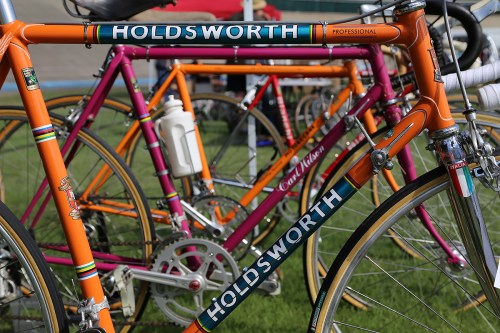
Diverse gierige Räder von der 2016 Sydney Classic Bike Show

via cycle exif

sydney-classic-bicycle-show-1sydney-classic-bicycle-show-2sydney-classic-bicycle-show-7sydney-classic-bicycle-show-9sydney-classic-bicycle-show-17

Hinterlasse einen Kommentar

Eingeordnet unter 2016, Gierige Räder, Mob, Uncategorized

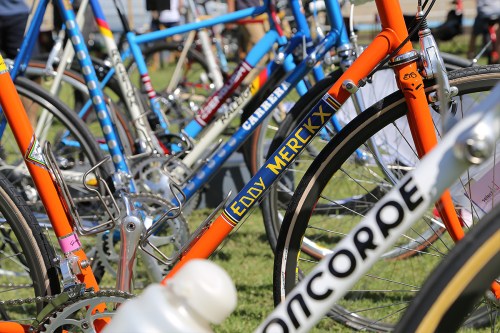
Monday Eddy.

tumblr_o3mv9h6hac1rqu9lbo1_500

Hinterlasse einen Kommentar

von | 28. März 2016 · 23:07

Welle der Erregung.

Heute Nacht entlieh sich der deutsche Staat eine Stunde meines Lebens als er zwischen 2 und 3 Uhr die Sommerzeit einführte. Ich habe nichts dagegen, im Oktober bekomme ich meine Stunde ja wieder zurück. Aber wieso bekomme ich keine Zinsen dafür? 

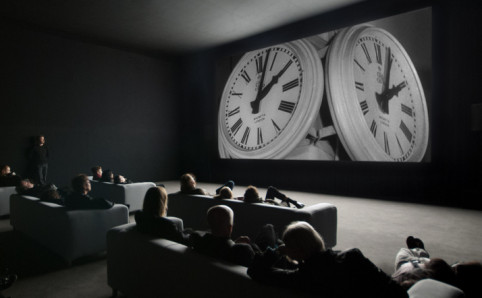
christian-marclay-24

Christian Marclay – The Clock

Vorschlag zur Güte: Im Oktober werden die Uhren nicht um eine Stunde, sondern nur um 59 Minuten zurückgestellt; eine Minute wird an alle Bürger ausgezahlt. Man mache das 60 Mal, und dann ist es auch gar nicht mehr nötig überhaupt auf die Sommerzeit umzustellen, da wir die dann ohnehin schon haben. Nicht das ich das erleben würde, und wenn dann wäre es im altersgemäßen Zustand vermutlich sowieso egal.

Als zum ersten Mal, als Reaktion auf die große Ölkrise von 1973, 1980 die Sommerzeit in Deutschland wieder eingeführt wurde, weigerte sich mein Vater einige Tage lang da mitzumachen. Die Uhren zuhause wurden nicht umgestellt und in Telefonaten mit Kunden betonte er immer wieder, dass er pünktlich um 8 Uhr „richtiger Zeit“ kommen würde. Ich empfand das als verrückt, hatte aber einen gewissen Respekt, dass mein Vater den Kampf gegen die Zeit aufnahm.

Das wollte ich heute auch tun, ein kurzer, knackige Auftritt auf einer schon hundert mal gefahrenen Route, dem Worpsweder Dynamo. Ich verließ das Haus, als die Profis bei Gent-Wevelgem-Gent noch 75 km vor sich hatten und wollte vor ihnen das Ziel erreichen. Gleich im Sprint hoch zum Bürgerpark, dann weiter am Unisee zum Tierheim an der Müllverbrennungsanlage (Honi soit  qui mal y pense). Gleich wieder volle Power im Strava Zwang zum Dammsiel. Ausruhen bis nach Worpswede. Dann wieder volle Power den Timeworp hoch. Dann erst einmal Pause.

Als ich in Worpswede ankam spürte ich eine gewisse Welle der Erregung. Genauer gesagt, ich sah Sie gleich neben der Bank auf der ich sass.

DSCF2246

Da war sie, direkt unter meinem Rad, die Welle der Erregung.

Wow, man war ich erregt. Und die Welle erst – das war ja ein kleiner Tsunami, der sich hier unkontrolliert in Worpswede breit machte und langsam seinen Weg in Richtung der Dolomiten nahm.

DSCF2249

Drüben auf der anderen Straßenseite in den Dolomiten ahnten die Menschen noch nichts von dem unabänderlichen Schicksal, dass sie gleich in Form eines Tsunamis erfassen wollte. Die Welle der Erregung war hier noch nicht angekommen, man aß Eis und wunderte sich, wofür „or. ital.“ auf de Markisse stand.

Der Rest: Antiklimatisch. Gegen den Wind nach Hause, langsam, kräftezehrend. Trotzdem, ein schöner Tag, nur eine Stunde zu kurz.

Worpsweder Dynamo auf Strava


3 Kommentare

Eingeordnet unter 2016, Bremen, Mob, Touren