Archiv der Kategorie: 2017

Blog des Jahres. 2017.

Bildergebnis für fahrrad schreiben

Mal kurz in eigener Sache:

Bei Fahrrad.de steht die Wahl des „Top Fahrrad Blog 2017“ an. Jemand hat mich netterweise für die Kategorie Allrounder nominiert. Sonst musste ich das ja immer selber tun, das ist also bereits ein riesiger Erfolg. Ich würde mich jetzt über Unterstützung, also Stimmen sehr freuen.

Hier der Link. Einfach aus der Liste cyclyng.com auswählen, darunter die URL für einen der Posts dort eintragen und abschicken. Danke.

Ich bin immer noch am Rätsel, warum das Blog in der Kategorie „Allround“ gelandet ist, wo ich quasi nur über das Rennradfahren schreibe. Aber egal. Sollte es da tatsächlich etwas zu gewinnen geben, kann der gewonnene Gewinn hier wieder gewonnen werden. Versprochen.

3 Kommentare

Eingeordnet unter 2017, Mob

Kona Brand Count. Gegen die Vernunft.

K-AG-16

Lava Magazine, eine Zeitschrift nicht für Geologen, sondern für den ernsthaften Triathleten, zählte beim Ironman in Hawaii vor ein paar Wochen mal wieder, welche Räder, Laufräder, Gruppen, Helme etc. die Teilnehmer dort benutzen. Das Ergebnis: Warum wollen wir eigentlich keine individuellen Räder?

Eine ausführliche Analyse der verwendeten Produkte für das Jahr 2016 kann man hier auf cyclyng nachlesen. Nun gibt es Daten für fünf Jahre (2013 – 2017) und so die Gelegenheit über diesen Zeitraum zu schauen, welche Marken sich besonders entwickelt haben. Oder verschwunden sind.

Bildergebnis für cervelo tri bike

Welche Räder waren die Ironman Teilnehmer?

Jedes Jahr dieselben Marken. Mehr als 50% alles Teilnehmer fahren Cervelo, Trek, Specialized und Felt; wobei Cervelo alleine jedes Jahr etwa ein Viertel aller Räder stellt und unangefochten an der Spitze steht. Weitere sieben Marken kommen dann für mehr als 30% aller weiteren Räder auf: Argon18, Canyon, BMC, Scott, Giant, Qintana Roo; Ceepo und Cannondale. Auch dies hat sich in den letzten Jahren nicht verändert.

Ausnahme: Canyon, die sich erst 2017 in der Spitze etabliert haben. Da erst im Herbst diesen Jahres Canyon auf dem US Markt aktiv geworden ist, ist damit zu rechnen, dass sich das Unternehmen innerhalb der nächsten fünf Jahre fest in der Spitze etablieren wird.

Insgesamt waren 2017 Räder von 106 Marken präsent. Das bedeutet, 12 Marken kommen für 80% alle Räder auf, die restlichen 94 Marken für 20%. Ich denke für diese Marken macht es größtenteils keinen Sinn Triathlonräder zu entwickeln, zu produzieren und (versuchen) zu verkaufen, denn die Stückzahlen sind so gering, dass da nie genug Geld zurückkommen wird um das ganze zu finanzieren. Diesen Trend kann man auch über die Jahre gut in Kona nachverfolgen, denn der Anteil der 12 beliebtesten Hersteller wird Jahr für Jahr größer.

Welche Laufräder rollen in Kona?

Bildergebnis für zipp tri wheels

Bei den Laufräder sieht das Bild etwas anders aus, als bei den Rädern, aber es gibt eine unumstrittene Nummer Eins seit 2013: Zipp. Deren Anteil ist allerdings von 51% auf 39% gesunken. Hinter Zipp hat sich ENVE mit 7% Anteil plaziert; ENVE ist es gelungen über die Jahre kontinuierlich beliebter zu werden und hat in der Folge HED, Shimano, Reynolds, Mavic und Bontrager überholt.

Insgesamt sind etwas mehr als die Hälfte aller Laufräder von Zipp, ENVE oder HED und dies hat sich über die Jahre auch nicht groß geändert. Es gibt im Vergleich zu den Rädern eine deutlich größere Vielfalt an Marken und die Dominanz der Großen ist nicht so stark ausgeprägt. Und es gibt deutliche Markentrends: Zu den Aufsteigern gehören ENVE, Roval, FLO und Profile Design, während Xentis deutlich verloren hat.

Bildergebnis für campagnolo  triathlon group

Und bei den Komponentengruppen?

Tja, wär hätte das gedacht? Seit Jahren sind in Kona mehr als 80% aller Räder mit Shimano Gruppen ausgestattet, der Rest mit SRAM. Campagnolo und Vision spielen eine minimale Rolle und noch kein Triathlon scheint auf die Idee gekommen zu sein mit FSA, Rotor oder Microshift anzutreten. Der SRAM Anteil ging in den letzten Jahren zunächst runter und hat sich 2017 etwas erholt, was vermutlich auf die eTap zurückzuführen ist.

Fazit

Es ist schön, dass es so viele Marken auf dem Markt gibt, von dem wir unsere Räder, Laufräder, Gruppen und Komponenten zum Radfahren kaufen können, die meisten tun dies aber nur von sehr wenigen Marken, und zwar pro Segment maximal sieben. Auf der Lava Seite, sind die Zählungen auch für andere Produktgruppen verfügbar, das Bild ist da sehr ähnlich:

  • Helme: Rudy Project und Giro
  • Sättel: ISM
  • Aerobars: Profile Design und 3T
  • Pedale: Shimano, Look und Speedplay
  • Powermeter: Quarq und Garmin

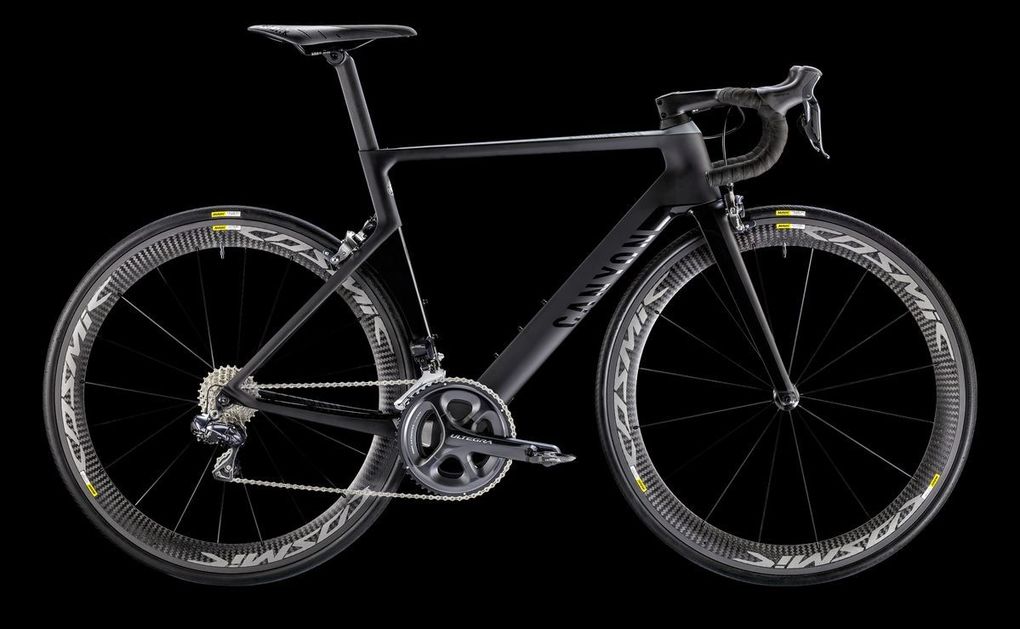
Wie überleben diese ganzen kleineren Hersteller, die quasi nicht präsent sind? Ich vermute einmal dass die Situation im Rennradbereich, wenn auch nicht so extrem, aber doch ähnlich ist. Bei den Gruppen bestimmt Shimano klar den Markt und bei den Rennrädern selber gibt es vielleicht in Deutschland 15 Marken, die 80% der Neuverkäufe unter sich ausmachen. Man könnte meinen, dass sich Menschen etwas kaufen möchten, was kein anderer hat. Vielleicht wird das auch ernsthaft überlegt; das Ergebnis ist dann aber in der Regel, dass wir uns bei Canyon oder Rose ein schwarzes Rennrad mit Shimano Ultegra Schaltung bestellen. Ich denke, so etwas heißt „Vernunft“.

Bildergebnis für canyon rennrad schwarz


2 Kommentare

Eingeordnet unter 2017, Bike Buisness, Mob

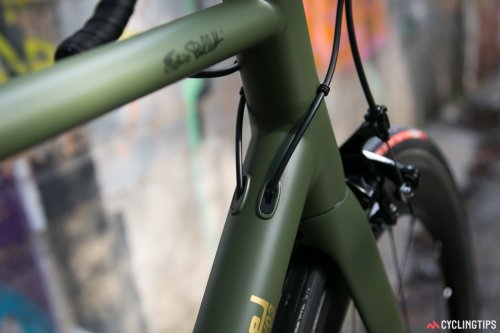
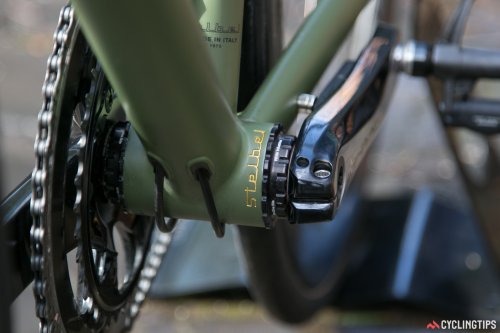
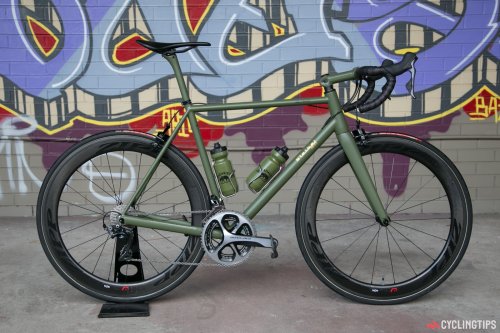
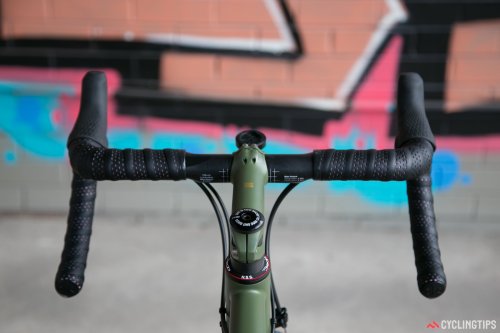
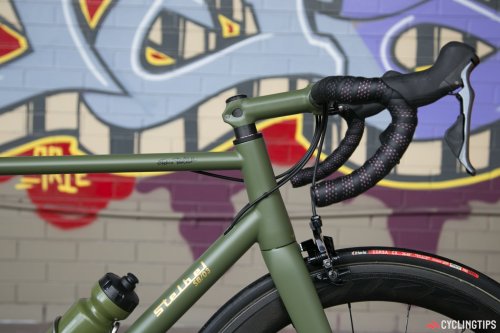
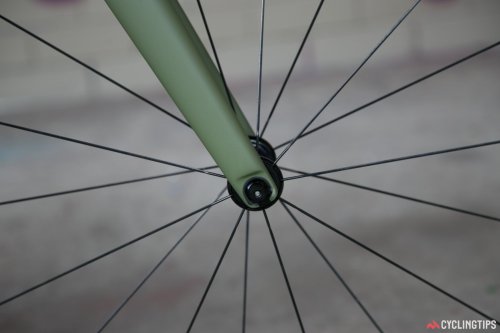
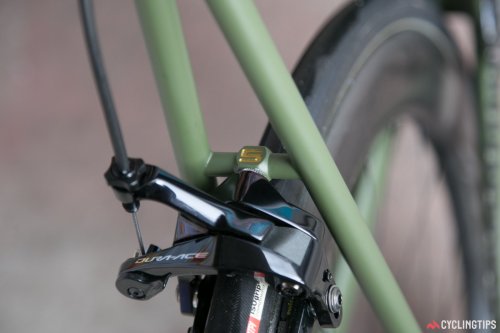
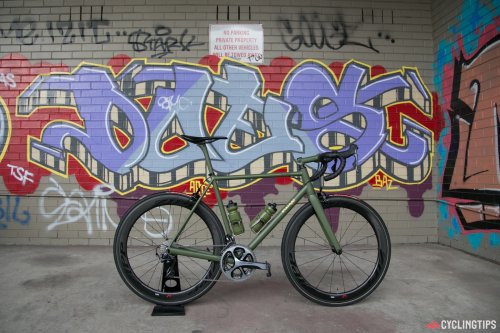
Gierige Räder: Stelbel SB/03. Stahl.

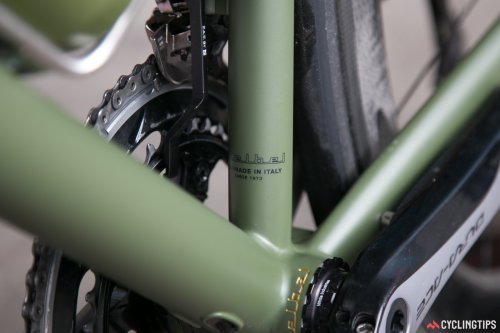
Ich kann es nicht erklären; ich habe einfach eine Vorliebe für italienische Räder im Vergleich zu deutschen, französischen, holländischen oder gar belgischen Möhren. 

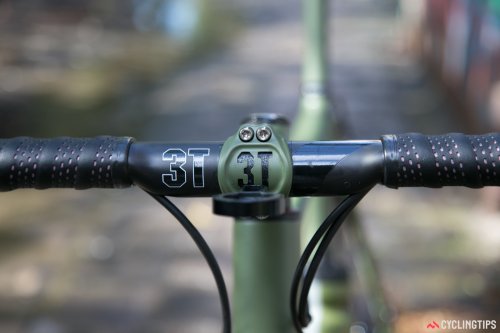
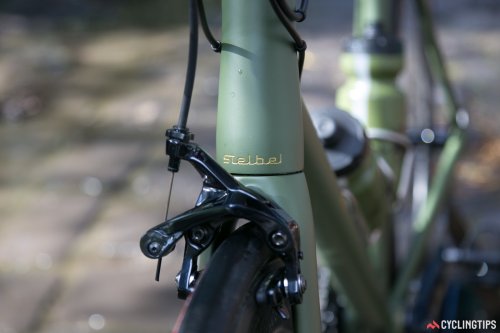
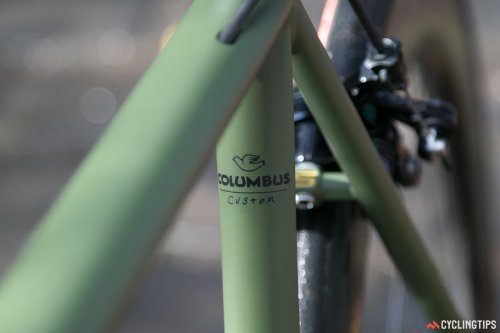
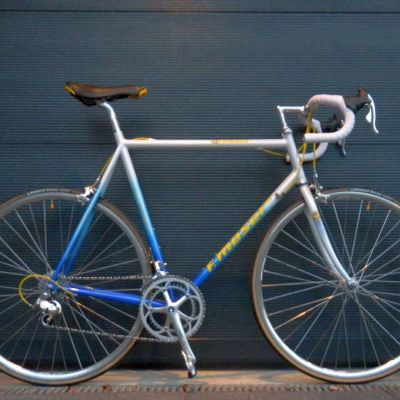
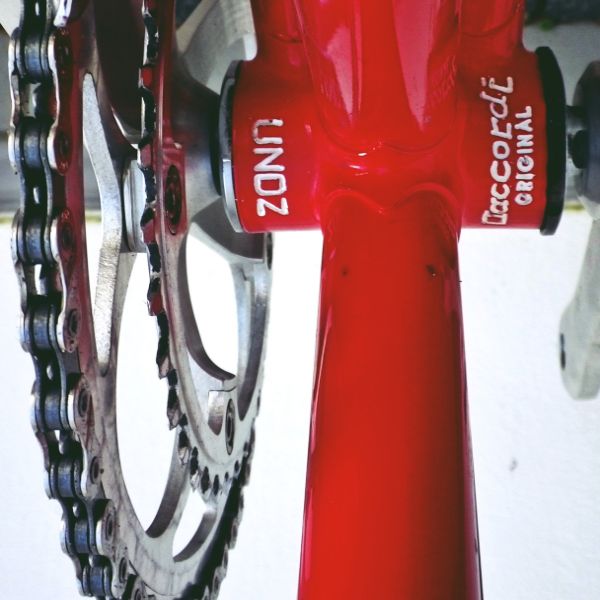
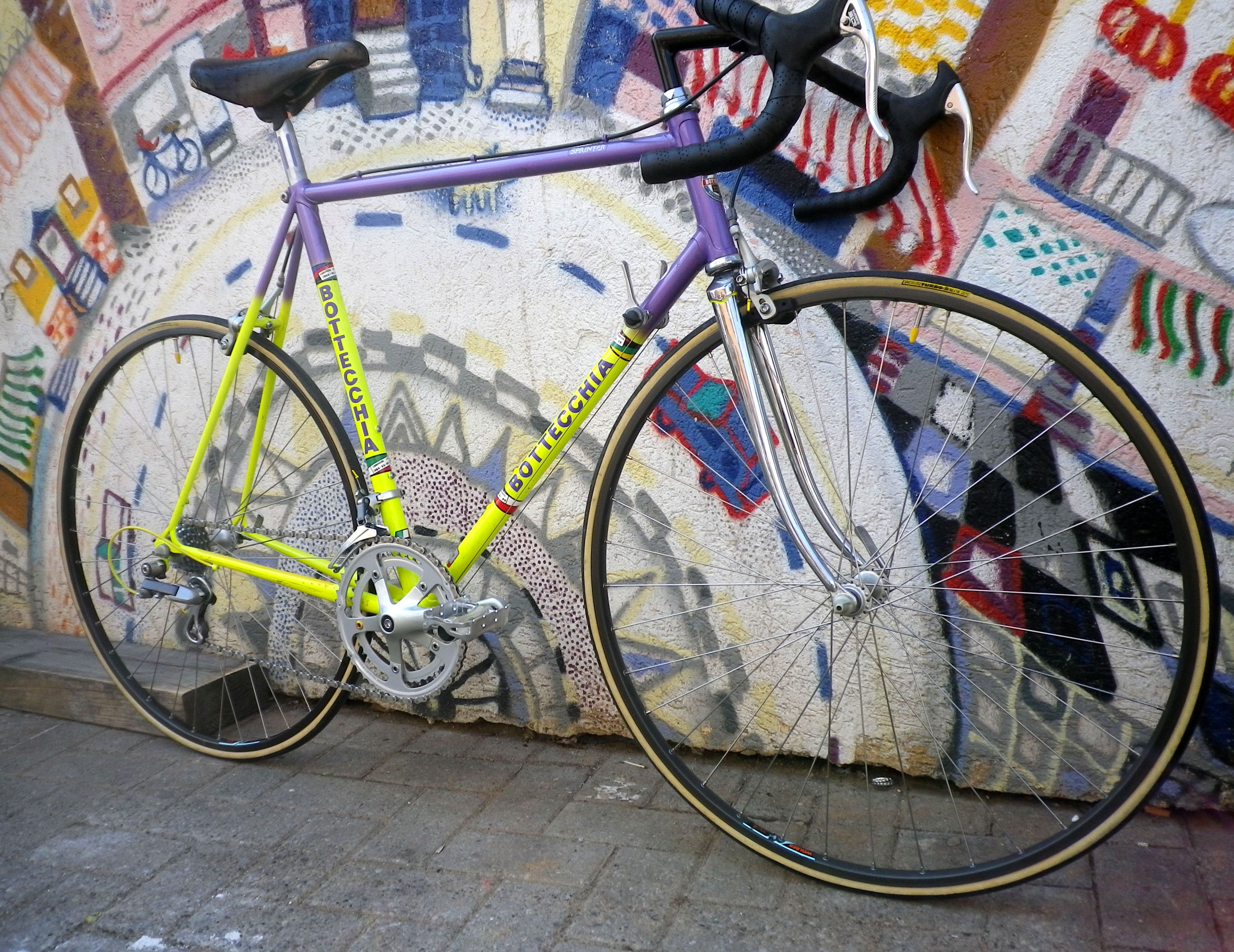
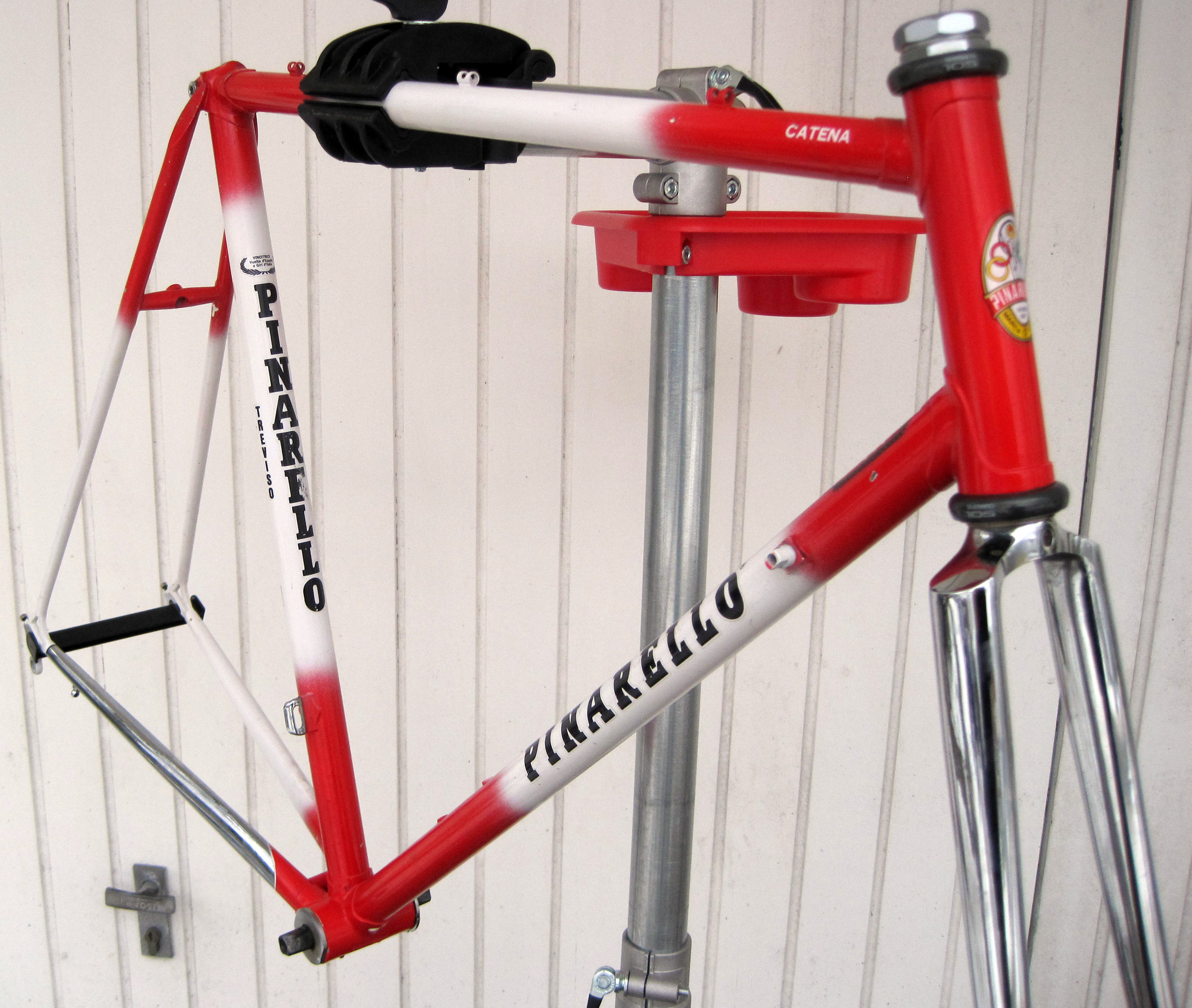
Und auch innerhalb der vielen italienischen Marken finde ich durchaus nicht alle toll und gut, sondern einige besser als andere. Im Laufe der Jahre konnte ich ein paar Rennräder selber ausprobieren: Basso, Moser, Daccordi, De Rosa, Olmo, Romani, Viner, Colnago, Pinarello, Berma, Chesini, Neri, Fagin, Dancelli, Vetta, Simonato, Milanetti, Bottecchia, Gimondi. Und einige noch nicht. Ganz oben auf meiner Wunschliste steht definitiv Stelbel.

IMG_6857IMG_6879IMG_6884IMG_6887IMG_6900IMG_6909IMG_6934IMG_6938IMG_6958IMG_6959IMG_6975IMG_6976IMG_7028

Dinge militärisch-grün oder in Camouflage zu lackieren entspricht derzeit dem Zeitgeist.

via Cyclingtips.

2 Kommentare

Eingeordnet unter 2017, Gierige Räder, Mob

XShifter.

XShifter finde ich, trotz vieler Unzulänglichkeiten, ein gutes Konzept, dass mit der Zeit noch besser werden könnte. Zwei XShifter vor vorne und hinten? Niemals. Aber ein Shifter hinten, der unabhängig von der Anzahl der Ritzel, den Ritzelabständen und dem verwendeten Schaltwerktyp alle möglichen Kombinationen schalten könnte? Das wäre sehr, sehr cool. Bitte noch dazu eine in einen Rennradbremshebel integrierte Version. Ein Preis von ca. 150 bis 200€ fände ich da akzeptabel.

2 Kommentare

Eingeordnet unter 2017, Bits&Pieces, Mob

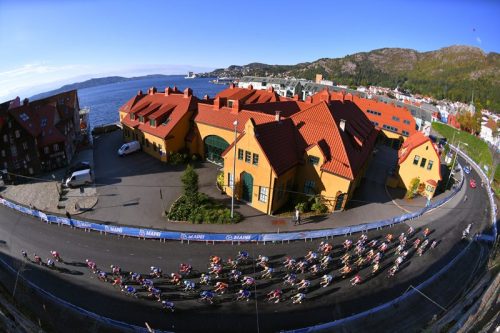
Bergen.

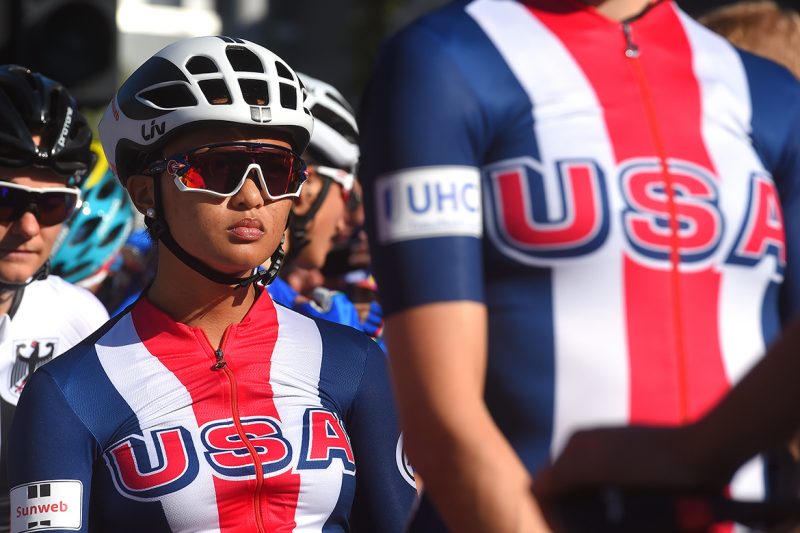
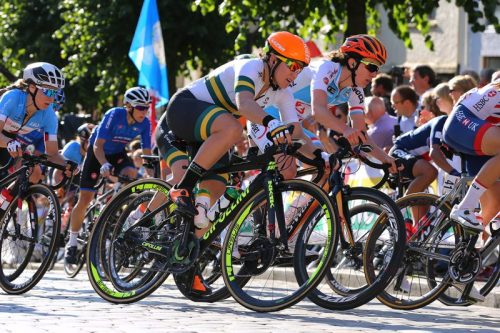
Das Frauenrennen

SPTDW80016-1-800x533

SPTDW5026-800x533SPTDW5055-800x533SPTDW5066-800x533SPTDW80035-800x533SPTDW80050-800x533SPTDW80058-800x533

Männerrennen aus dem Helikopter

Hinterlasse einen Kommentar

Eingeordnet unter 2017, Mob, Racing

Vigorelli.

via The Radavist.

vernor_RHCvigorelli2017-2167-1335x890

vernor_RHCvigorelli2017-2483-1335x890

vernor_RHCvigorelli2017-2191-1335x890vernor_RHCvigorelli2017-2324-1335x890

vernor_RHCvigorelli2017-2439-1335x890

Hinterlasse einen Kommentar

Eingeordnet unter 2017, Mob

Riding Mountains, Riding Cities.


„Aber ich glaube, ich wäre kein guter Mensch, wenn ich nicht Fahrrad fahren würde.“

Hinterlasse einen Kommentar

Eingeordnet unter 2017, Mob, Sex. Lies & Vids

Daily Eddy. Daily Stelvio.

stelvio

EddyMerckxPissed

Hinterlasse einen Kommentar

Eingeordnet unter 2017, Mob

Drillium.

by Dave Moulton

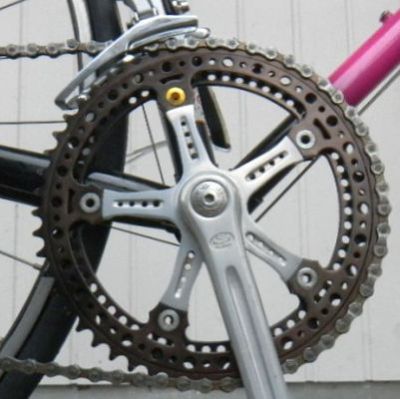
Most vintage bike enthusiasts know about cutouts in frame bottom brackets, but some, especially newbies don’t know the reason. Someone recently asked me why I didn’t put drain holes in my bottom brackets? I was baffled and asked, “Who does that?” He listed frames that had “Drain holes,” and I realized he was talking about bottom bracket cutouts.

It was a fashion gimmick of its time, that’s all. There was no logical reason. Think about it, it is a poor drainage system. The bottom bracket is in direct line of fire from water spraying up from the front wheel. These large holes let in more water than they let out again.

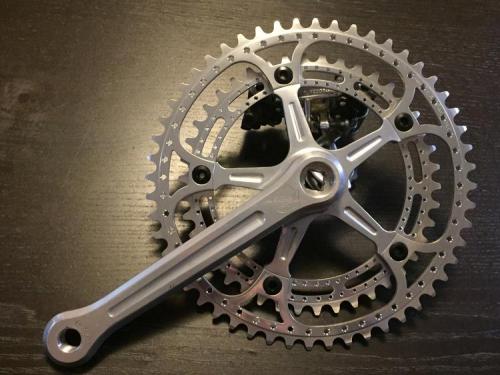
For those who don’t know, here is a history lesson. In the 1970s a craze started amongst cyclists all over Europe, later referred to as “Drillium.” (Picture left.)

Drilling holes in component parts to reduce weight. The fad was huge in the UK, especially amongst time-trialists, who were forever looking for ways to save weight. And of course removing metal reduces weight.

The amount of weight saved by drilling holes in aluminum components was miniscule, but it didn’t matter.

It was a way to customize a bike and a few more holes than your competitor was a psychological boost if nothing else.

If your bike had so many holes, it had no shadow, you were a winner, in style anyway.

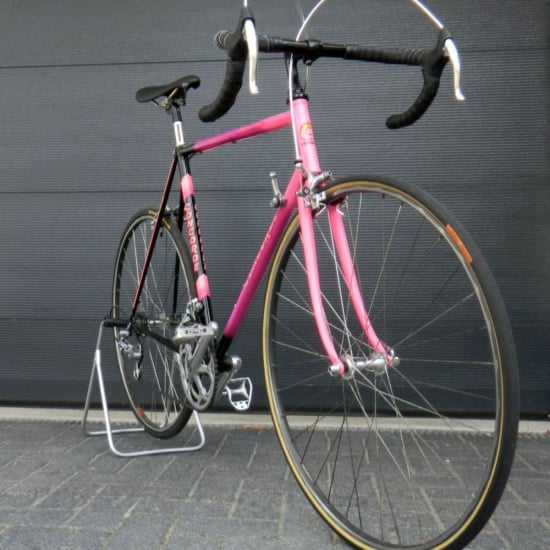
Component manufactures were quick to follow this trend, and for example, a seat post that was previously round and smooth, now had flutes machined in them. Frame builders too got on the band wagon. A large hole cut out of a bottom bracket shell, was a considerable chunk of steel that was no longer there.

Of course all these holes and flutes created more aerodynamic drag, but no one thought of that at the time. Aero bikes would be a future craze.

Frame builders used a special die and a press to stamp out these cutouts in seconds. Holes were similarly stamped in lugs before the frame was assembled. It also gave framebuilders an opportunity to individualize frames with cutouts in the form of their logo. It was done for brand recognition.

My newbie inquisitor was still not satisfied. “If these are not drain holes in the BB, then why weren’t they engraved?” I’ll tell you why. Holes can be stamped out in seconds, but engraving takes time, and is super expensive. Especially engraving on a curved surface.

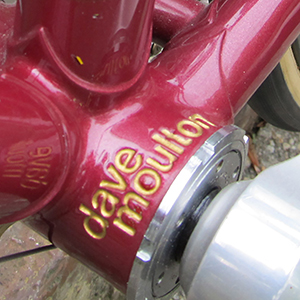
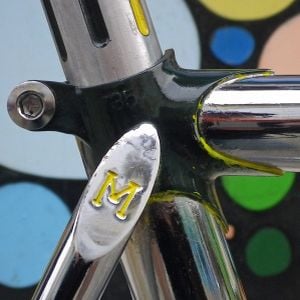
I know this because I had my name engraved in the top of the BB shell.

It had to be done with a special fixture that rotated the shell as the engraving progressed, so the router bit that does the cutting is always at right angles to the curved surface of the BB shell. (Picture right.)

It is a highly skilled operation and is one of the reasons my custom frames cost so much. If you see what appears to be engraving on the bottom bracket of a production bike. Things like lettering, a logo or grooves. It was most likely cast that way. The design was in the mold.

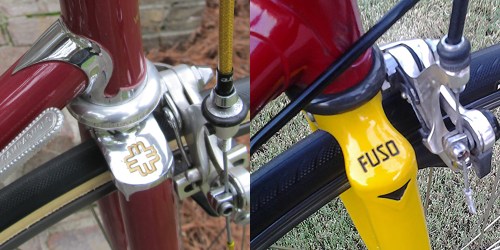
Just as my custom frames had my logo engraved in the crown, whereas my production Fuso frame had the name cast in it. (See above.)  I had to buy 1,000 crowns to get that feature. So why did my Fuso not have a cutout BB? By 1984 when production on the Fuso started, the fashion had run its course.

Some Italian framebuilders continued doing cutouts, but remember they had dies to stamp the holes. I was not about to invest that kind of money for the tooling and a press, for fad that had run its course, and was dying out anyway.


Hinterlasse einen Kommentar

Eingeordnet unter 2017, Ingenieur, Mob

Erst Pinarello. Jetzt Rapha.

Man kann über den Wert und die Schönheit eines Pinarello Rennrades verschiedener Meinung sein. Aber kann man verschiedener Meinung darüber sein, dass Pinarello nun zu Louis Vuiton, und Rapha den Eigentümern von Walmart gehört? Der große Ausverkauf.

Bildergebnis für pinarello

Pinarello, 1952 gegründet und 65 Jahr lang ein unabhängiger, großer, bekannter und innovativer Rennradhersteller in Familienbesitz wurde dieses Jahr an Louis Vuiton verkauft. Das ist bereits eine Weile her und keine Neuigkeit.

Rapha hingegen ist eher ein Unternehmen, dass man als Start-Up bezeichnen könnte; 2004 in London gegründet machte Rapha 2016  £63 Millionen Umsatz, im wesentlichen mit Bekleidung.

Beide Unternehmen erwirtschaften einen erheblichen Teil ihres Umsatz in England, wo sie als Sponsoren des Team Sky einen großen Bekanntheitsgrad haben. Es ist etwas schwierig vorzustellen, Pinarello Räder im gleichen Laden zu kaufen, wie Moet Champagner oder Louis Vuiton Taschen. Oder Rapha Klamotten in der Grabbelkiste im Walmart – was ist die Intentionen von Investoren? Eine reine Finanzanlage?

Zwei Artikel in Englisch dazu von RKP und Bicyling.com:

Rapha Sells

If you follow the merger and acquisition side of the bike biz then you’ve probably been aware that the leviathan of cycling apparel, Rapha, has been courting buyers. It was previously reported that LVMH, the group that owns Louis Vuitton (and scores of other luxury brands like Moët and Chandon) and ultimately bought Pinarello, was interested in Rapha, but they passed.

So who bought Rapha? Hold on to your seats.

RZC Investments. Likely, you are scratching your heads right now. It’s not a name you or anyone else in the bike industry has heard. There’s not much of a paper trail on them; one can find lots on other similarly named entities in Google.

But here’s what we can tell you: RZC is an investment group headed up by Steuart and Tom Walton. Of those Waltons. Not the John Boy and Mary Ellen variety, but the family out of Bentonville, Arkansas, who own Walmart. Steuart and Tom are grandsons and Tom is known to have kickstarted the trail building in Bentonville that has made it the hot spot for mountain biking for nearly 1000 miles in every direction.

While LVMH decided to against buying Rapha, RZC Investments had to fend off other suitors including Invus Group and Industrialinvest, which is a shareholder in Aston Martin. RZC is reported to have paid $200 million to CEO Simon Mottram and his investors. Shareholders in Rapha include Active, which has stakes in Honest Burger, Soho House and Leon.

So what did RZC get for its $200M? Well Rapha’s revenue for 2016 was £63m, which was up 30 percent over 2015. They are reportedly up 40 percent over this point last year. Considering the crazy multipliers over EBITDA that are seen in the tech sector, this was a terrific buy for RZC.

We at RKP have several unnamed sources that have told us there is an effort by Mssrs. Walton to bring more bike brands to Arkansas, to do for Arkansas what Boulder did for Colorado. There is no word on whether the apparel maker will move stateside, but if this is the kind of capital they are willing to pour into the bike sector, expect to see some other jaw-dropping purchases.


Rapha Bought  by Walmart Heirs; Here’s How the Brand Might Change

Founder Simon Mottram says he’s found the partners he wants for the long ride

AUGUST 10, 2017

Shiny Black Rapha Logo on a Matte Black Background


The terms “enthusiast cycling” and Walmart don’t overlap much; the massive volumes of bikes the big-box retailer sells every year aren’t exactly aimed at dedicated cyclists. But on Monday, the two came together for the first time with the news that boutique clothing brand Rapha sold a majority stake in the company to RZC Investments, a closely held investment vehicle run by Steuart and Tom Walton. The two are the grandsons of Sam Walton, who opened Walton’s Five and Dime in downtown Bentonville, Arkansas, and grew it into one of the largest companies in the world.

In some senses, Rapha’s sale wasn’t big news: Simon Mottram, who cofounded the company in 2004, has been a minority shareholder “since before launch,” he told Bicycling in an interview on Tuesday. He retains a small ownership stake and will continue as CEO. According to Mottram, RZC Investments’ acquisition of a majority stake in Rapha was mostly a liquidation of existing ownership interests from other investors, like Active Partners Private Equity. It’s not so much Mottram selling as swapping out investors.


So why do it?

“We are an international business and did some £85 million turnover, so there’s an opportunity for a more strategic investor who can take us to the next phase,” Mottram said.

RZC is not a classic private equity firm like Active Partners; it has no website or other public face, and that’s an important detail. RZC is “a shareholder with deeper pockets, there for a longer term,” said Mottram. “They offered something different in that, because they’re not a private-equity house, they’re not looking to flip the investment in a few years.”

When Mottram and cofounder Luke Scheybeler started Rapha in 2004, Mottram said he did not have a specific monetary goal for the company. “The business had financial roadmaps, but they were written to support what I wanted to do,” he said. Mottram is a self-described “brand guy” whose pre-Rapha career included advising luxury brands like Burberry. “Rapha is the first and only thing I’ve done on my own,” he said. “My ambition was to create a brand that encapsulated what cycling was to me and build an enduring company. That was what was most important, not to be a £10 or £100 million business.”


But Rapha did grow very quickly—in large part because it was successful at creating something different. Mottram wanted to create a clothing aesthetic that was different from what he saw in cycling at the time, but he wasn’t creating a cycling company. “I didn’t want to talk about being part of the cycling market,” he said. “We’re consumer-direct and don’t use the normal sales channels, and we don’t buy traditional media.”

In some ways, Rapha’s rise confounded traditional clothing companies. As Rapha expanded rapidly and entered the US market in the late 2000s, I spoke with representatives from several established clothing companies who were confused by Rapha’s reputation. When they compared features, fit, and fabric, Rapha wasn’t clearly better. So why the devotion? I responded that the clothing was secondary; Rapha created an image of cycling that cyclists responded to.

In the years since, it’s also produced its share of parody and backlash against the Rapha aesthetic of high-grain, black-and-white photos of serious roadies staring into the middle distance while suffering up rainy climbs or sipping perfect espresso pulls. But a key to understanding Rapha is that they create content as much as they create clothing, and it’s all part of producing emotions as a means of brand-building.

“Consumers don’t buy the way the bike industry thinks they do,” said Mottram, adding that that was especially true with the growth of online commerce. “The way you get under someone’s skin and inspire them to have a relationship with your brand isn’t by listing out features.” In a sense, think of Rapha as a creative agency that just happens to make money by selling clothing.

That made finding the right buyer essential. Mottram said that when the company hired an investment bank to help oversee the sale, “interest was quite overwhelming, actually.” Private equity investors and fashion brands were said to be interested. In the case of L Catterton, which bought a controlling stake last spring in Pinarello and was said to be close to acquiring Rapha earlier this year, the two entities were one and the same.

Ultimately, RZC paid £200 million, or $260 million US, according to reports in Sky and The Financial Times. Mottram declined to confirm or deny the sale price, or to specify whether that was the size of RZC’s investment, or the total value of the company. Mottram says Rapha has grown 25 percent or more every year of the business, and 10x revenue growth would be £210 million.

But of all the suitors, RZC won, and perhaps one reason why is that Tom and Steuart Walton are both committed cyclists. According to Bicycle Retailer and Industry News, RZC also own an investment in Little Rock-based Allied Cycle Works, a bikemaker that was created from the bankruptcy of Montreal-based Guru Cycles. But the Waltons have also contributed tens of millions of dollars to trail construction in the Bentonville area through the Walton Family Foundation. And they are significant donors to the International Mountain Bicycling Association (Tom Walton was a keynote speaker last year at the IMBA World Summit, held in Bentonville).

“I suppose at the end of the day, if people make the right decisions, it doesn’t matter if the investors, or the accountants or the guys in IT, are active cyclists,” said Mottram. “But it does matter, because of the sense of mission that Rapha has always had. Small things that might get in the way become non-issues because people will pull together more if they know where we’re trying to get to.”

So where is Rapha trying to get to?

Mottram says there’s a firm five-year plan, focused on more international growth. The US is its biggest single market, at roughly a quarter of sales. “But we’re 75 percent outside the UK now, and we see significant growth not just in the US but in Asia and Europe, and markets we’re not in yet: China, the Middle East, whole areas of the world that are right for us to develop into.”

Rapha wants to accelerate openings of its clubhouses—retail outlets that also serve as gathering spaces for events and the Rapha Cycling Club. That’s currently a 9,000-strong group of members who pay $200 a year for access to club chapter events, high-end bike rentals at clubhouses around the world, and first dibs on exclusive and limited-edition gear. “I haven’t even mentioned products yet, the core of what we do,” said Mottram, who promised that current R&D has some exciting products in the works.

Given that the Waltons are best known as mountain bikers while Rapha identifies most as a road brand, what might we see there, I asked?

“Cycling is such a sport of tribes, isn’t it,” said Mottram with a laugh. (For a more humorous take on this, check out our Field Guide to North American Cyclists.) “I’ve spoken to Tom and Steuart about this briefly, but we already sell a lot of product to mountain bikers already. And there’s a blurring of the lines now between the tribes, where your adventure bike with the relaxed geometry and clearance for 40c tires can do all these things, and I think clothing is headed that way too, with a slightly looser aesthetic. We’ll be serving more and more cyclists.”

Partly, but not solely, because they ride, the Waltons “get what we’re trying to do, and are invested for the long term. It’s not a short journey here; we’ve barely started.” Whatever direction Rapha goes, Mottram is confident he has the partners he needs for the long ride.


Ein Kommentar

Eingeordnet unter 2017, Bike Buisness, Mob