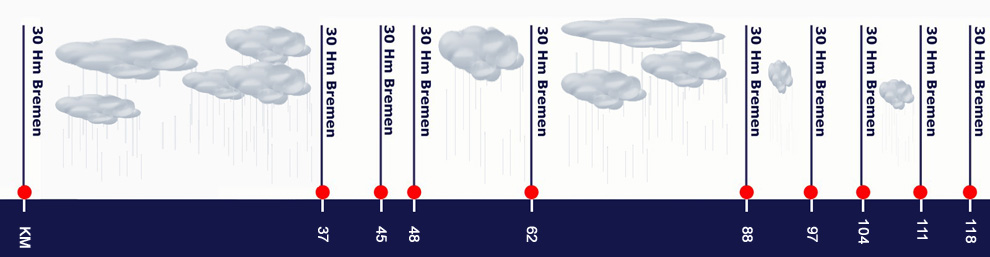
Ein weiterer Beitrag aus der Kategorie „Jede Menge“. Alles was sich in der Ablage in den letzten Tagen angehäuft hat.


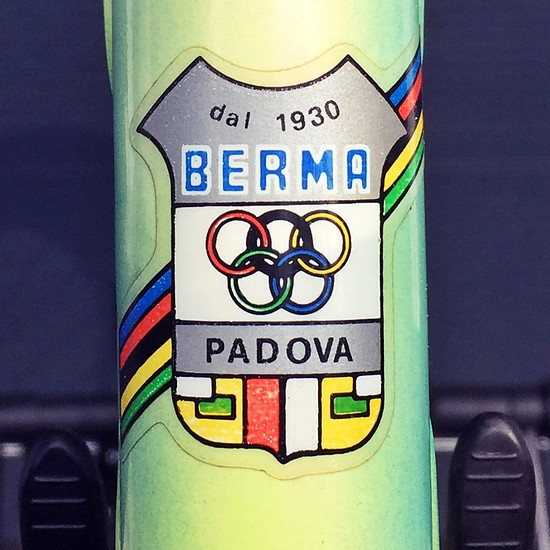
via Fyxo: malattia (ital) = Krankheit, Leiden

Wo ist hier der Bezug zu Mädels? Nun, Naomi von Tokyo Cycling Club ist dieses Bergrennen in Taiwan mitgefahren und hat dabei eine Top Ten Platzierung erreicht. via cycling Tips.
FOUR HOURS ON THE RIVET:
THE 2013 TAIWAN KOM CHALLENGE
by Andy van Bergen | Photography by Andy van Bergen, Tiffany Cromwell & PhotoSport International
Make no bones about it, the Taiwan KOM Challenge is one of the toughest climbs on the planet. The setting for this event could not be any more dramatic — the cliff-hugging road is chiselled out of Taroko Gorge and regularly makes it on to ‘top ten most dangerous roads in the world’ lists.
The 3,500m of vertical gain in less than 80km is not what intimidates riders – it’s the final, pitching, brutal 8km to the summit, after 2,500m of climbing, that causes the most anxiety.
Having never ridden it previously, Orica-GreenEDGE climber Simon Clarke could only compare the profile to the Stelvio, and rated the Wuling Mountain climb to be “truly epic, and a much harder climb”. The 2012 Taiwan KOM Challenge winner John Ebsen of Denmark provided this perspective: “It’s a long race. You need to take it easy. This ride is all about the last 8km”. (watch a short video interview with Ebsen here about what he thinks of the legitimacy of this year’s winner)
Simply completing this climb provided incentive enough for Tiffany Cromwell: “I’m always up for a challenge and doing something crazy – and this climb is crazy”.
First run in 2010, the race is starting to generate a growing interest among both elite riders and fondo and club riders from around the world. Fresh from a podium in the Crocodile Trophy MTB race in Australia, Canadian rider Cory Wallace joined former Drapac rider Adam Semple (see video below) and South African Craig Symons for their first attempts at the mountain.
Of the 500 starters, more than 140 entrants traveled internationally for the event, coming from 28 different countries. The appeal of one of the most epic climbs on the globe is far-reaching.
The attrition rate of the KOM challenge provides part of the magnetism for many. In 2012 only 220 of the 350 starters finished the race, and in this running only 330 (of 500 starters) would make the tight time cut of 6 hours and 30 minutes.
In the days leading up to the event riders poured into the small city of Hualien. Casting a dark shadow over the town was the imposing Wuling Mountain, a constant reminder of why we were here. Training rides around the town centred on light recons of the lower reaches of the climb, exploring the network of crisscrossing plantation roads, and getting free motopacing from any of the thousands of commuting scooters around town.
Where Taipei had been a flurry of noise and pollution, the seaside city of Hualien was running at a slower pace, and the air was clean and fresh.
Rested, legs stretched, and, in John Ebsen’s case eight slices of bread later, the convoy of riders were clipped in and rolling through the darkness to the start line. The hour of waiting though the official proceedings and welcomes, as well as a constant barrage of fighter jets taking off from the airbase opposite were fraying nerves.
Despite the warm start to the day, a menacing stormfront rolled across and peppered us with rain. Finally, after a series of 10-minute speeches refined to two sentences in English the countdown commenced and the downpour began.
The neutral section of the ride took us 18km out of town in the direction of the yawning Toroko Gorge. Accompanied by the rainfall and roadspray were the constant panicked calls as 500 riders avoided each other and the group concertina-ed down the road.
The front was the only place to avoid the squeal of carbon rims and sudden and unexpected stops for natural breaks. We soon climbed over the Tàil ge Bridge and took the tight left-hander that signaled the start of the race.

No sooner had we rounded the corner than the group was strung out as the pace picked up and the race commenced. Riders quickly jockeyed for position and a few early rises helped quickly establish a core group. The valley we had entered slowly enclosed us as the walls pitched upward and the river slowly dropped below the road.
After nearly losing half the field down a split in the road things started to settle down. The main contenders were now all at the front of the field, and grinding out a fast pace on the gentle 3-4% gradient that would mark the next 25km.
The nerves seemed to have settled for most, although a touch of wheels put one rider into a barrier, perched precariously high above the river deep below. As we climbed higher and higher up the Taroko Gorge the lush dense jungle that we had passed through was quickly replaced by a world hewn from rock and stone.
Long tunnels were chiseled through the mountains connecting roads chipped into the sides of the cliffs. Often all that was separating us from a hundred-metre drop into the gorge was a series of low concrete blocks. Thankfully the pace was high enough to distract us from any worry about this.
The tunnels provided a welcome break as the power of drafting in a group protected from the wind became apparent. Entering each tunnel became a lesson in trust – there was simply no way to see the rider in front of you, let alone the road. Relying on a feint outline of a jersey, or a light ahead became the only way to negotiate these frequent passageways.
At the front of the main group a move involving a handful of riders looked like it was finally going to stick. The pace picked up for a couple of kilometres, and then when it looked like the group was going to stay away the riding neutralised for a while.
Either side of us the walls had steepened to the point where the cliffs were now rising 1,000m above our heads. High above the river the road continually jumped from one side of the gorge to the other across precarious bridges. During one of these frequent crossings the road ramped up and the real damage started to happen.

The group of 100 riders was quickly whittled to 50, and within the space of a kilometre there was daylight between strung out riders. Some 50km into the ride we were presented with the first opportunity to take stock and assess the situation. A quick glance revealed an ant trail of riders on the twisting blacktop hundreds of metres below.
The temperature dropped as the road plunged into perpetual shadow. Moss clung to the roadside barriers in big dripping clumps, and waterfalls rained over and around us. This was the beauty in suffering we’re always talking about as cyclists. As last year’s podium finisher David McCann explained “The scenery through the gorge is comparable to anything you have seen in Asia, or around the world”.
We were halfway through the ride, and inexplicably still had another 2,500m of climbing to go.
Small groups started to form, latching on and encouraging each other to join up. There was little aero advantage to be gained, but the psychological advantage was undeniable. With so far to go this was not the time in the race to be sitting by yourself — there’d be plenty of time for that later. The driving focus during those desperate kilometres was to ensure we made the two compulsory time cuts. Make the cuts, and let the final section take care of itself.

The first feedstop was manned by an army of willing volunteers, only too happy to refill bidons on the run, and stuff our pockets with bananas. We greedily consumed cans of iced coffee and we were soon refreshed and ready to start the mental arithmetic.
At the 70km mark we had climbed 1,700m at pace, and still had more than that again to reach the summit. As we climbed higher through the dense jungle, under tons of overhanging rock, and overlooking an unbroken carpet of lesser peaks, the timecuts became less of a concern.
After 87km of climbing we finally hit the only descent for the day, a welcome 3km relief in the form of a technical, sometimes tunnelled, switchbacked descent. Given the sheer drops into the void either side of the twisting wet road it was understandable to see caution being observed. But this simply provided an opportunity to pick up a handful of valuable positions.
After an all too brief respite the road walled up in a series of ramps, kicking off at the mild end of the spectrum with a 12% pitch. My screaming legs were not about to get any respite, as the following 5km presented a set of stacked switchbacks with apexes over 20%, each producing new expletives. The nagging thought was that we still hadn’t even hit the difficult section of the ride.

It was on one particularly long and brutal section that we passed the first riders walking. Bear in mind that at this point we are not talking about recreational riders. These are sharpened hillclimbers who are 90km into a race and 2,500m deep, positioned in the top 80 riders and they are walking their bikes, head hung, breathing deeply. It was a battlezone. Cyclists were zig-zagging left and right, trying desperately to get purchase.
Flattening out, the final pit stop was the last chance to fill up before the hardest section of the climb (can it possibly get harder?). The weighty decision as to whether to take on extra water or not is an important one. Most riders will be crawling up this section at speeds well under 10km/h, which means over an hour in the saddle. The dropping temperature is still sitting around 20 degrees. Do you save precious grams, or ensure hydration is maintained?
The 10km to go sign seemed to never arrive, and the sporadic walls thrown our way caused havoc in our minds. Calculations based on Garmin stats were impossible at this stage. Reaching for comparable examples from back home proves difficult.
A volunteer on the side of the road tells us there are 8km to go. It’s difficult to decide whether this is good or bad news. After a lifetime the 5km marker comes into view. At the same time high, high up on the ridgeline the feint outline of a road can be seen clinging to the side of the hillside. Surely this can’t be where we are headed, it’s over our right shoulder, so the only conclusion that can be reached is that it is another summit.
Impossibly the road flips around, and it soon becomes all too apparent that this is indeed our final destination.
By now the screaming in the legs has been such a longterm companion that it has faded to a dull roar in the background — there are simply too many other things vying for attention. The shortened breath at altitude and a concerning tingling settling in the arms is a distraction from the dark thoughts. The ride to this point has been incredibly tough and high paced. Mentally and physically the body is smashed, and there, dangling juicily within view is the finish line.
As we round the 2km mark we can hear the noise from the crowd and the announcers calling in the riders. Adrenaline kicks in with the briefest of respites from the constant walls, but unfortunately the legs just can’t reply.
With 1km to go, and almost within sight of the finish line the road throws down one last challenge, pitching again to over 16%. Finally the last 500m signs signal the end of the torment. That old friend pain is left at the gate for one last push, the hardest of the entire ride. Accompanied by a guttural sound and a final sprint the job is done.
Crossing the finish line riders are grabbed while still on the bike and steadied, many doubled over with their heads bowed deeply, unable to move, and gasping for oxygen in the thin air. Warm drinks are pressed into our hands and a cold medal slung over our head. As it turns out it had been raining constantly for the last ten minutes of the ride.
The Taiwan KOM Challenge is one of the most unforgiving and brutal hill climb events in the world, situated in the most impossibly beautiful and stunning picture-postcard location imaginable. Sharpen up those hill climbing legs — this needs to be on your bucket list.


- Andy (center) with Simon Clarke and Tiff Cromwell.


- Out for a cruisy spin the day before the KOM Challenge.


- The elite riders attracted much media attention.


- Out for a ride with Adam Semple (left) and Craig Symons (right) before the big day.


- photo provided by PhotoSport International


- photo provided by PhotoSport International


- photo provided by PhotoSport International


- photo provided by PhotoSport International


- photo provided by PhotoSport International


- photo provided by PhotoSport International


- Overall winner, Rahim Emami (RTS Santic, left) and Eri Yonamine (Taiwan KOM), winner of the women’s classification. Photo provided by PhotoSport International


- Rahim Emami after winning the race.


- Eri Yonamine after taking out the women’s classification.


- Tiff Cromwell takes in the view.


Naomi bei Taiwan KOM:


Und, eines der besten Outdoor Blogs überhaupt von Jill „up in Alaska“:


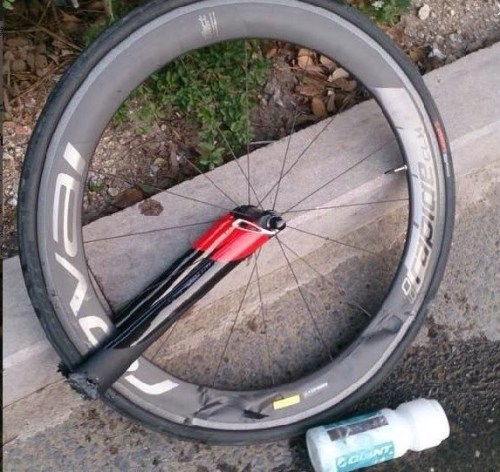


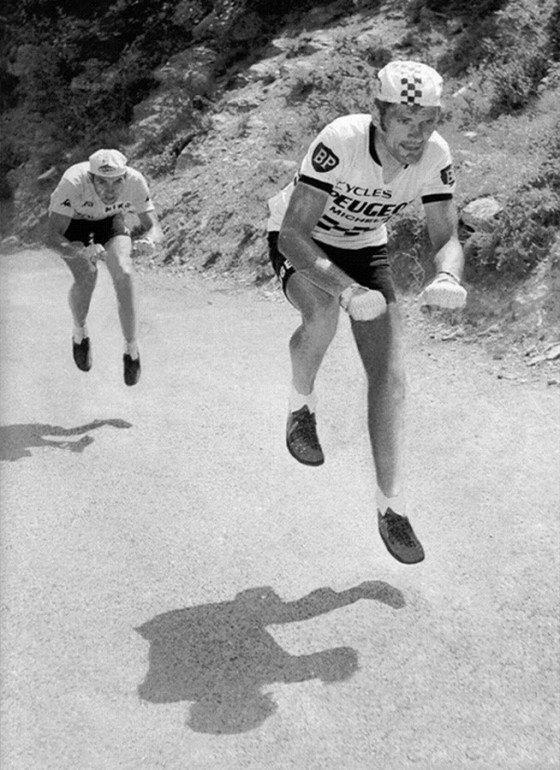












 bikesnob28hb
 fixiefanboyhb
 sudi1662













 there is no "I" in cyclyng